

Big airline hubs might make traveling less stressful. These busy airports mix many flights into one main stop, so you can easily switch from one flight to another and even lower your ticket price. Imagine a place where small flights quickly connect with big ones, helping you catch your next ride fast. In this post, we explain how central hubs make travel smoother, connect the world better, and save you money.
How major airline hubs drive global air connectivity
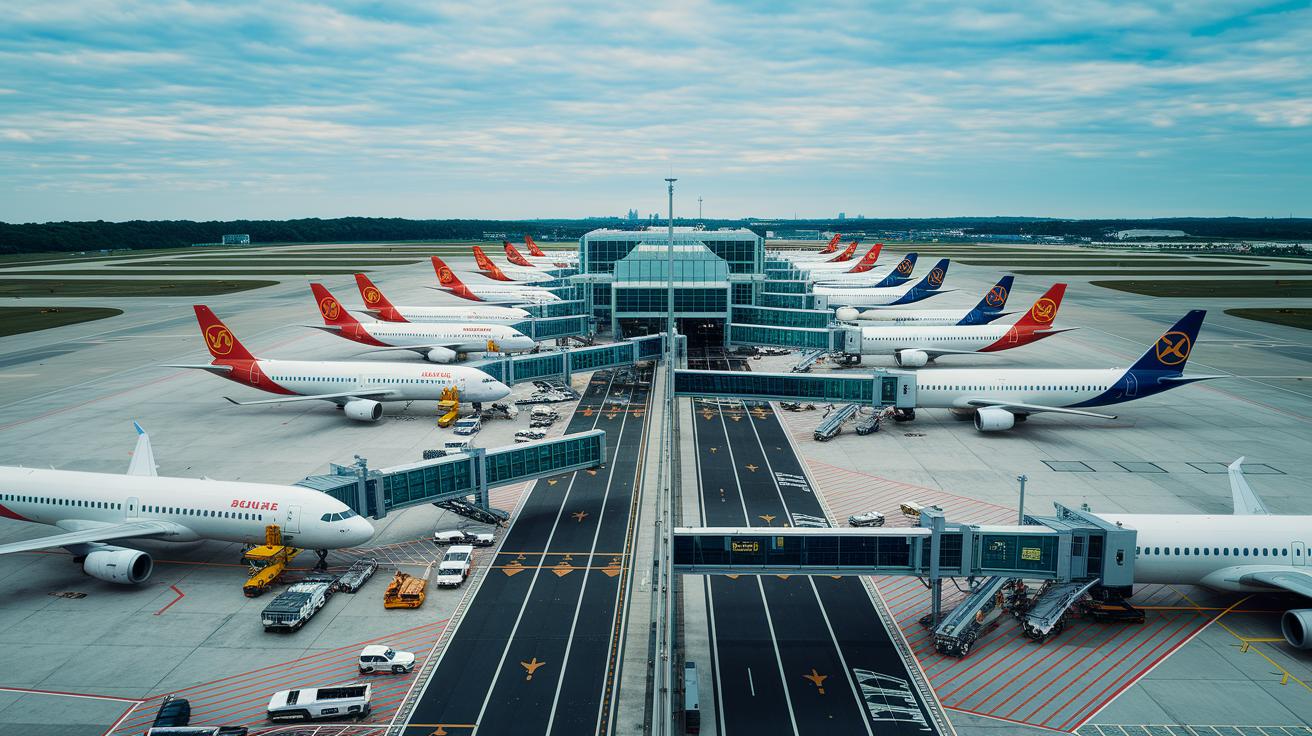
Airline hubs are big airports that bring together a network of routes. These hubs let carriers send many flights to one central location, making it easier for passengers to switch flights.
Airports are set up so that smaller flights, known as feeder flights (flights from smaller cities), lead into a main terminal. This design smooths out flight schedules and helps create many connection options. Features like a central check-in area in an international terminal help travelers move quickly from one flight to the next.
Last year, U.S. airlines operated over 2.1 million flights from these hubs, offering more than 275 million seats on both domestic and international routes. This high number shows that keeping flights clustered in one place can help lower costs by keeping planes full and schedules busy. Smooth transfers and better use of aircraft often lead to lower operating costs and might even mean cheaper ticket prices.
Even though connecting flights might mean a longer travel time than nonstop flights, hubs offer big cost savings and expand the number of available routes. In short, while you might spend a bit more time traveling, the extra options and efficiency can help you reach more destinations around the world.
Major airline hubs: Elevate Your Flight Experience

Airlines and airports use simple numbers to figure out how well a hub works. They look at things like how many passengers go through and how many seats are available. These facts help airlines plan flights and use their planes in smart ways.
- Passenger volume: For example, Delta’s Atlanta (ATL) handled 108.1 million passengers in 2024.
- Flight frequency: American runs about 66% of flights at Dallas/Fort Worth (DFW) every day.
- Seat capacity: Major hubs had a combined 275 million seats in 2024.
- Connectivity index: This measures nonstop and one-stop routes to show how well an airport links passengers to the world.
Airlines and hub managers study these numbers to adjust flight schedules and manage planes. They look at trends to improve terminal flow and cut waiting times. In doing so, they help create smoother connections and offer more route choices for travelers.
Top U.S. major airline hubs and carrier networks in 2024
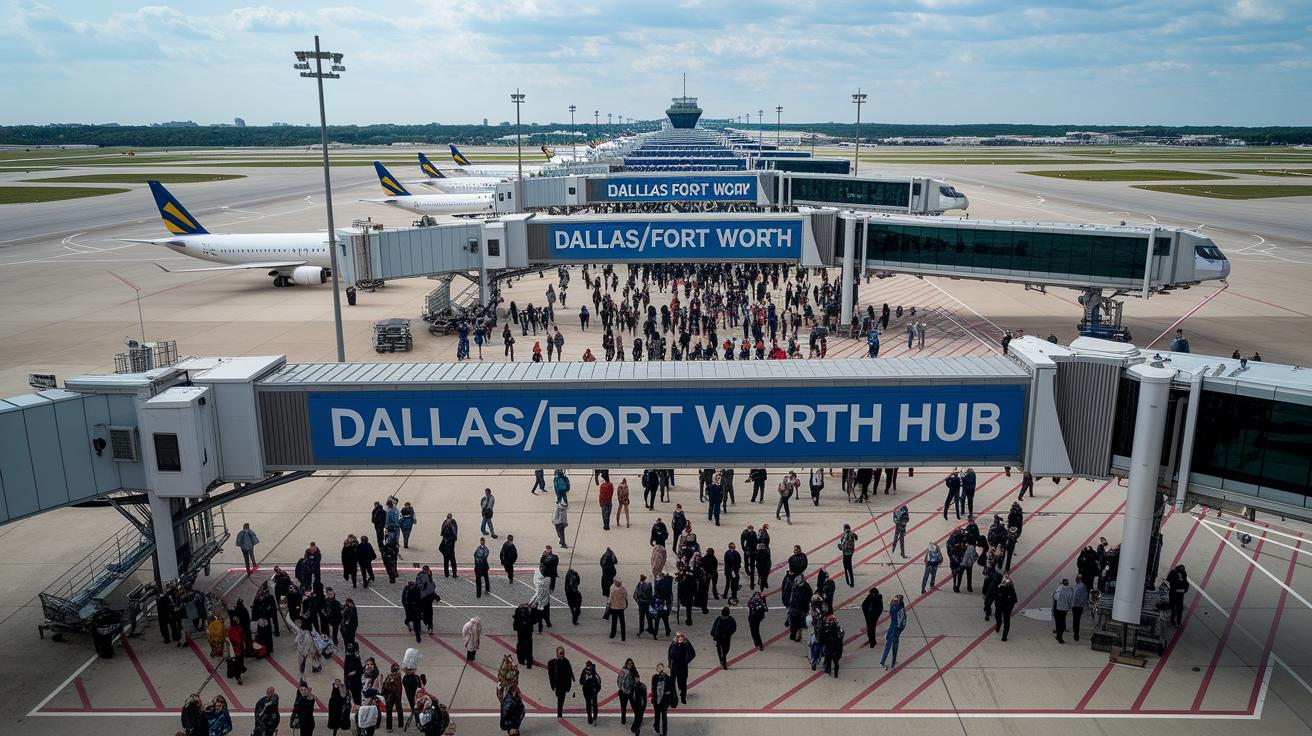
U.S. airlines build their national networks by focusing on key hubs. They choose busy airports to concentrate routes, simplify schedule management, and boost passenger connections. This strategy helps keep operations clear and efficient.
Below is a table comparing eight major carriers, their main hubs, and one key statistic showing their focus for 2024:
| Airline | Primary Hub | Key Statistic |
|---|---|---|
| American Airlines | Dallas/Fort Worth (DFW) | 66% of flights operate from DFW |
| Delta Air Lines | Atlanta (ATL) | Handled 108.1 million passengers in 2024 |
| United Airlines | Chicago O’Hare (ORD) | Commands 40% flight share at ORD |
| Alaska Airlines | Seattle–Tacoma (SEA) | Uses SEA as the main hub with an expanded role for SAN |
| JetBlue | New York JFK | Operates from a single base for focused service |
| Southwest Airlines | Denver (DEN) | Offers over 170 daily departures from DEN |
| Frontier Airlines | Denver (DEN) | Relies on DEN as its sole hub |
| Sun Country Airlines | Minneapolis-Saint Paul (MSP) | Uses MSP as its only operational hub |
By centering their operations at major airports, carriers can cleanly organize feeder flights and manage high passenger volumes. This design balances daily departures and quick plane turnarounds, giving travelers more connection choices and a smoother transfer experience.
Airlines track stats like flight percentages, total passengers, and daily departures. They use that data to make quick, informed decisions. In the end, this focused network not only simplifies scheduling but also helps keep costs lower while making your journey more seamless.
International major airline hubs shaping intercontinental transfers
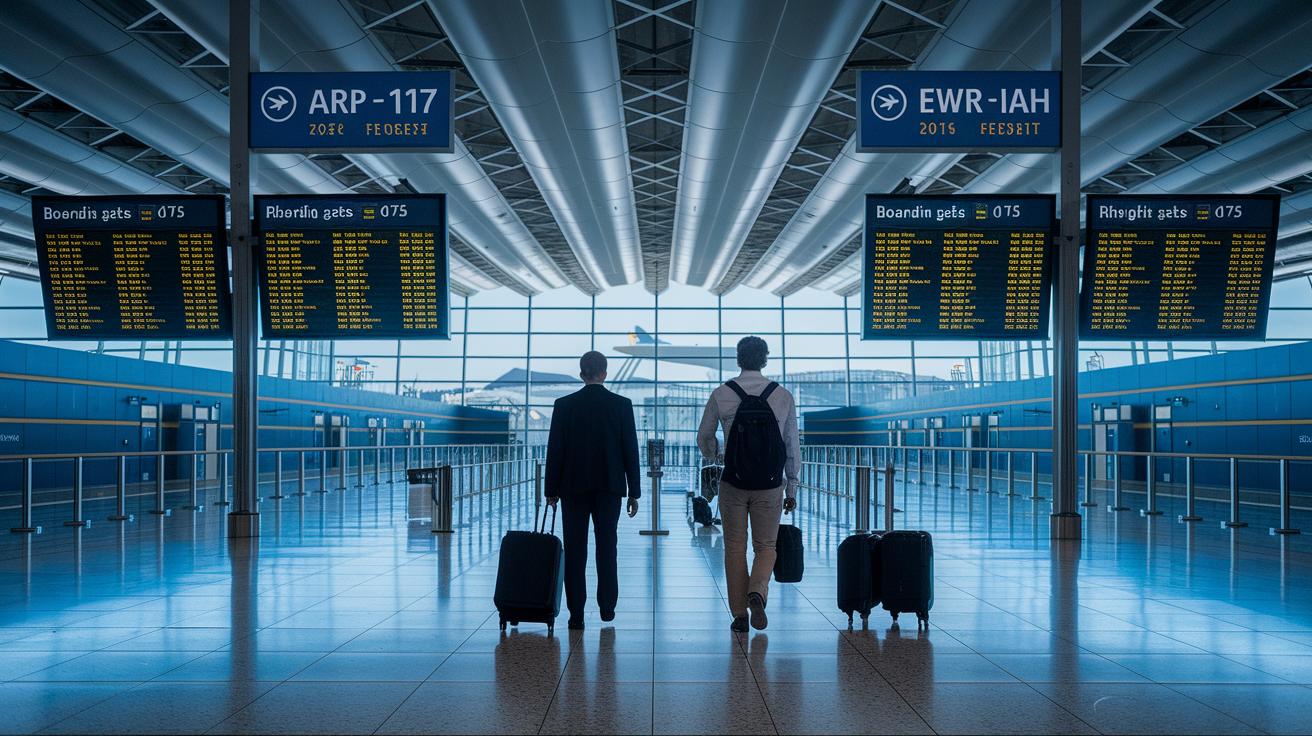
U.S. airlines have set up vital hubs that act as gateways to faraway destinations. For instance, American Airlines uses JFK and PHL for long-haul flights, making connections smoother for travelers heading to continents across the globe. At the same time, LGA handles frequent domestic flights, keeping local travel on track.
Key hubs like ATL, EWR, and IAH are crucial for global travel. Delta Air Lines uses Atlanta (ATL), the world’s busiest transfer hub, to welcome millions of connecting passengers. Meanwhile, United Airlines relies on EWR and IAH to link North America with Europe, Asia, and Latin America. These centers bring together a mix of direct and one-stop flights, ensuring even complex journeys remain manageable.
Regional carriers also play an important role. Hawaiian Airlines uses Honolulu International Airport (HNL) as its primary gateway for transpacific routes. Kahului (OGG) serves as a secondary stop, with focus cities such as Kona (KOA) and Lihue (LIH) feeding passengers into these island hubs. This setup makes it easier for travelers to switch between transpacific and other international flights, keeping global travel connected and efficient.
Traveler strategies for navigating major airline hubs

Airline hubs come in different shapes and sizes. At some airports, like Atlanta, you should plan for at least 45 minutes for domestic flights and 90 minutes for international ones. With changes in airline service, American ending its Austin flights or Southwest using a direct point-to-point plan at DEN with its own gate style, you need to plan ahead. JetBlue even offers special terminals at JFK for international flights, so there's a smoother path for your connection.
Here are some quick tips to help you get through busy hubs:
- Check each hub's minimum connection time so you don't rush.
- Look at terminal maps using airport guides at this link: airport guides to know what to expect.
- Keep an eye on your flight status and watch out for any gate changes.
- If you qualify, use an airline lounge for a bit of extra comfort.
- Pack a carry-on to keep things moving quickly.
- Choose flights on the same airline when you can, which makes transfers easier.
- For international trips, arrive early so you can handle any unexpected delays.
Using these steps can help you move smoothly between flights and reduce the stress of busy airport hubs.
Final Words
In the action, our blog post broke down the role of major airline hubs in global air connectivity. We showed how these hubs streamline routes and reduce costs while boosting seat capacity and display key metrics. The discussion covered passenger tips and carrier comparisons to help travelers plan efficient transfers. This guide offers practical insights for smoother travel and less stress. Major airline hubs stand out as a smart tool to power your next trip with confidence and ease.
FAQ
What are major airline hubs near California?
Major airline hubs near California include Los Angeles International (LAX) and San Francisco International (SFO). They serve as key points, offering many domestic and international flight options.
What are major airline hubs near Texas?
Major airline hubs near Texas include Dallas/Fort Worth International (DFW) and Houston-Intercontinental (IAH). These airports help airlines streamline schedules and connect numerous routes.
Where can I find a major airline hubs map?
A major airline hubs map can be found on aviation websites or industry reports. It shows key airports where flight networks converge, aiding in travel planning.
What are major airline hubs in the world?
Major airline hubs in the world include international centers like London Heathrow (LHR), Dubai International (DXB), and Frankfurt Airport (FRA). These hubs support countless global connections.
What are major airline hubs in the USA?
In the USA, key hubs such as Atlanta (ATL), Chicago O’Hare (ORD), and Los Angeles (LAX) drive both domestic and international travel, offering extensive flight networks.
What are the largest airline hubs in the world?
The largest airline hubs globally are measured by passenger numbers and flight frequency. Airports like Atlanta (ATL) and Dubai International (DXB) rank among the busiest worldwide.
How do I find major airline hubs near me?
To find major airline hubs near you, check regional airport information or use flight network maps. Local airports with high flight activity are typically classified as hubs.
What is the biggest airline hub?
The biggest airline hub is determined by metrics like passenger volume and flight operations. Atlanta’s Hartsfield-Jackson (ATL) often tops lists as a leading hub in this regard.
What are the 4 major airlines in the US?
The four major US airlines are American Airlines, Delta Air Lines, United Airlines, and Southwest Airlines. Each offers extensive domestic networks and key hub operations.
What are the 7 hubs of United?
United Airlines operates seven key hubs. They include Chicago O’Hare (ORD), Newark (EWR), Houston-Intercontinental (IAH), Denver (DEN), plus additional centers in San Francisco, Washington Dulles, and Los Angeles.
What is America’s biggest hub?
America’s biggest hub is often Atlanta’s Hartsfield-Jackson International (ATL), which handles a massive volume of passenger traffic and supports an extensive flight network.