

Ever thought your flight might know your needs before you do? Airlines are now using smart technology that makes travel smoother and more enjoyable. They use AI (artificial intelligence) to set fair prices, offer quick customer support, and speed up check-ins. Experts believe these improvements could add hundreds of billions to the economy in just a few years.
Simply put, AI is making air travel feel more personal and efficient. Whether you're getting ready for takeoff or landing, smart tech is here to ease your journey.
Key AI Innovations Transforming Airline Customer Experience
Air travel is booming around the world, and airlines are revamping how they serve passengers. With forecasts of 9.4 billion travelers by 2040, every step, from booking a flight to giving feedback after landing, needs a fresh, modern approach.
AI is the big game changer here. Experts say AI could boost the economy by around $350 billion by 2030. It helps airlines run more smoothly by improving operations, pricing, and customer support.
Here are some of the innovations making a difference:
- Machine-learning dynamic pricing models that adjust fares based on demand, seasons, and competitors.
- Automated chatbots and virtual assistants that answer common questions immediately.
- Predictive maintenance systems that use sensor data to catch issues before they cause delays.
- Biometric check-in and security screening using facial recognition or fingerprint scans.
- Real-time passenger insights that let airlines quickly react to changes in travel needs.
These tools work together to create a smoother travel experience. Dynamic pricing ensures rates match current market conditions. Chatbots provide instant help for flight updates or refund queries. Predictive maintenance cuts down on unexpected delays by spotting problems early. And biometric systems speed up check-in and security. Overall, passengers enjoy a more efficient journey from start to finish.
Personalizing Airline Customer Experience with AI-Driven Customization

Airlines are moving away from one-size-fits-all deals. Today, smart systems use AI to learn what you like and offer deals that match your travel habits. Before, most travelers settled for generic offers. Now, every offer feels made just for you.
These AI tools also adjust ticket prices based on current demand, season changes, and what competitors charge. They check real-time data to offer the best fares and discounts. By looking at your past travel patterns and current booking trends, these systems can even spot chances to give you exclusive upgrades or special discounts. Virgin Atlantic, for example, improved repeat bookings by using these personalized recommendations. This approach not only boosts revenue but also builds trust with travelers.
Beyond pricing, AI customizes your experience in the cabin too. It can recommend the best seat, meal options, or entertainment based on your previous choices. Every step of your journey feels uniquely tailored to you.
AI Innovations transforming airline customer experience
The details from this part have been added to the main article on how AI is reshaping airline customer service. We removed this section to keep the information clear and avoid repeating the same points.
Personalizing Airline Customer Experience with AI-Driven Customization
We merged this content into other parts of the article to avoid repeating details. The unique insights you would have found here are now part of our broader discussion.
AI Chatbots and Virtual Agents Enhancing Airline Customer Experience
We combined this section with earlier parts so you won't see duplicate details about how chatbots work, answers to common questions, booking changes, or support across different channels.
Streamlining Airline Customer Experience: AI-Powered Contactless Check-In and Security

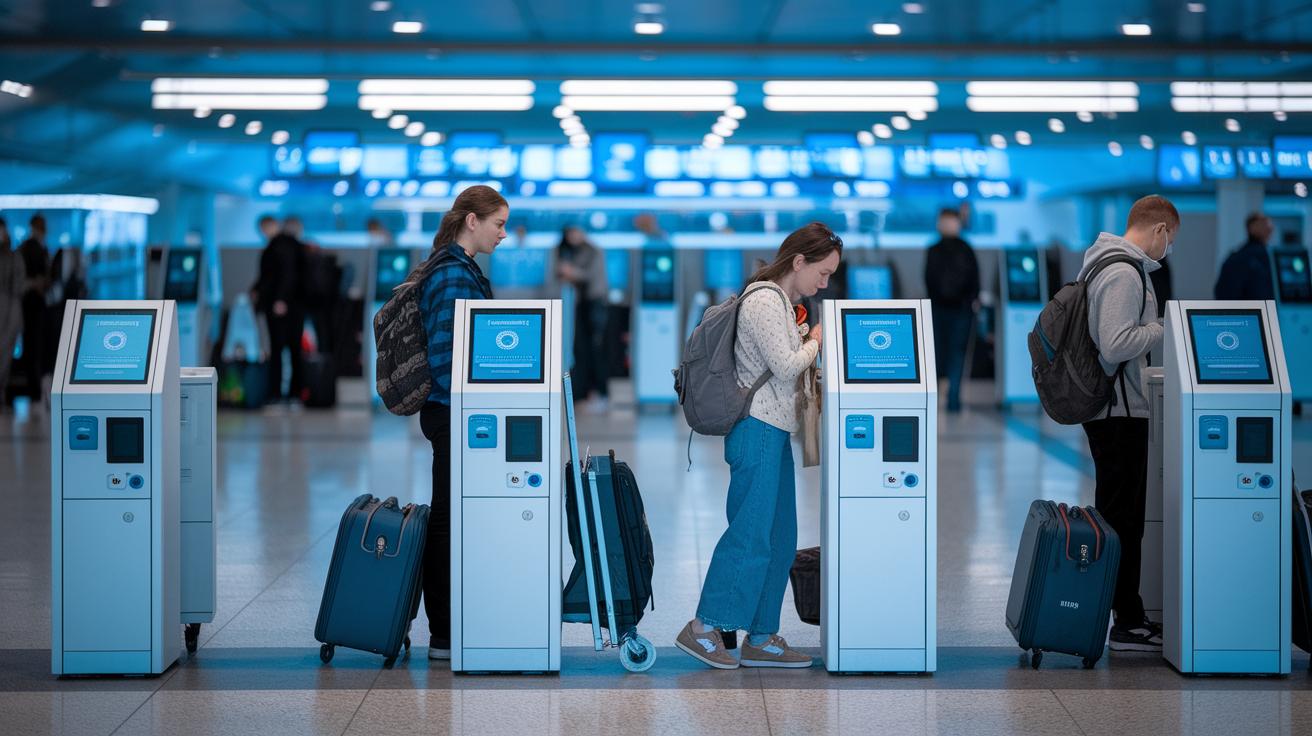
Airports are turning to contactless check-in to ease lines and boost safety. By removing the need to touch shared screens or papers, these systems cut wait times and lower the risk of spreading germs. This upgrade also helps reduce mistakes and speeds up busy travel days.
Smart kiosks using AI work with simple biometric checks like facial recognition and fingerprint scans. They quickly confirm who you are by matching your features or prints to stored data. In some cases, check-in now takes half the time it used to. Voice prompts also guide you through the process, making it easier and more intuitive.
On the security side, AI helps X-ray machines spot any potential threats in your baggage faster and more accurately. This means shorter lines and a smoother, safer departure for everyone.
Optimizing Airline Customer Experience through Predictive Maintenance and Analytics
Airlines now use sensor data from engines and parts to check equipment health in real time. AI goes through these signals to spot small issues before they turn into big ones. This clear, sensor-based view helps airlines plan repairs ahead of time and stop unexpected delays. For example, American Airlines avoided more than 1,200 delays in 2023 by using real‑time analytics.
| Benefit | Description | Operational Impact |
|---|---|---|
| Early Issue Detection | Real-time anomaly alerts | -30% unscheduled delays |
| Optimized Scheduling | Proactive maintenance slots | +15% aircraft utilization |
| Cost Reduction | Targeted part replacement | -20% maintenance spend |
Using these insights in crew and fleet planning allows airlines to use resources better. They can set up maintenance slots that fit around flight times, which means repairs happen without disrupting flights. The result is a smoother service, better use of aircraft, and lower overall repair costs.
Elevating In-Flight Airline Customer Experience with AI
Today, many travelers want their flight to feel smooth and responsive from start to finish. They look for services that seem to know what they need, making every moment in the cabin easier and more enjoyable.
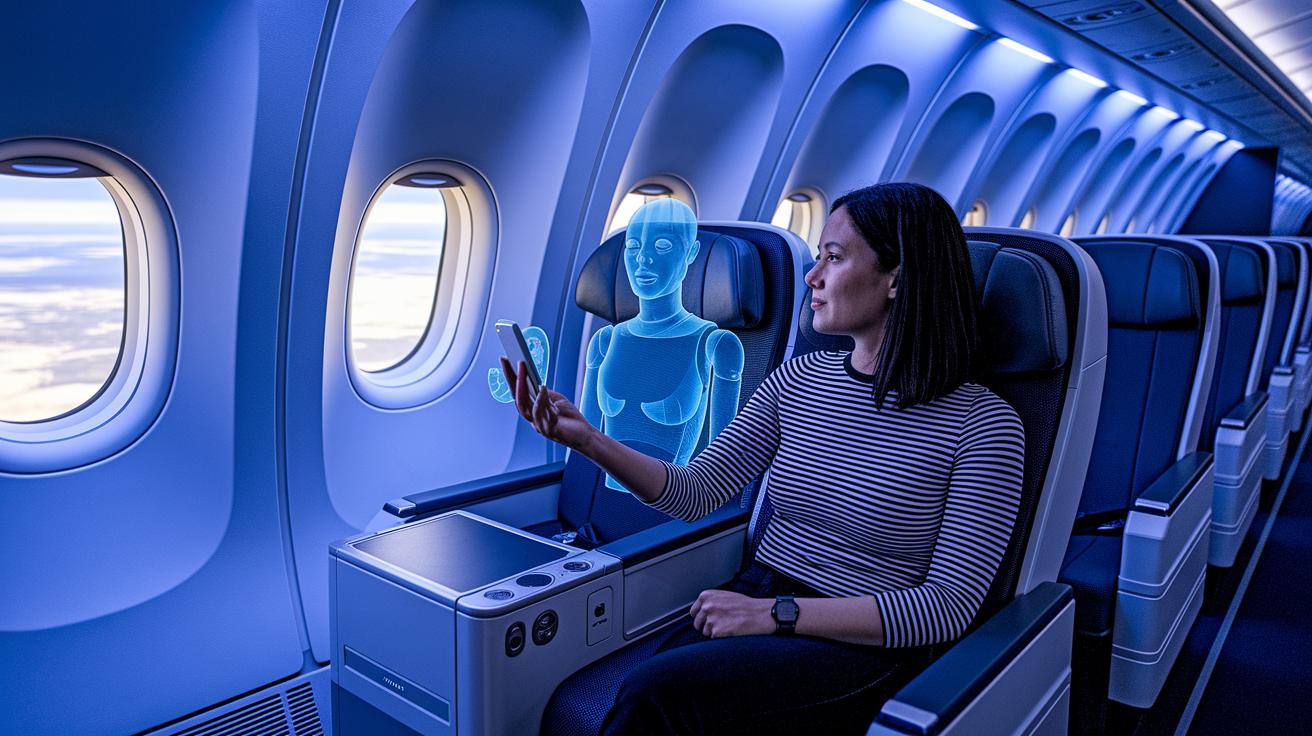
Airlines are using AI-powered virtual assistants to meet these expectations. These digital helpers offer real-time translation, meal suggestions, and help with seat changes. Imagine asking for a dinner tip in your native language while cruising over the ocean and getting a fast, clear reply. This technology makes you feel valued and speeds up service.
Modern cabins also adjust lighting and climate automatically. Sensors watch the environment and tweak settings like brightness and temperature without a hitch. Plus, in-flight entertainment now uses smart algorithms to recommend movies, music, or games based on what you like. It’s like having a personal guide to the best content available.
All these digital upgrades are backed by solid wireless connectivity. With onboard Wi-Fi, you stay connected to a world of information and fun, making every flight a little more comfortable and engaging.
Strengthening Post-Flight Airline Customer Experience with AI-Driven Feedback and Loyalty
After your flight, feedback plays a key role in making travel better. Airlines now use AI to scan reviews and social media posts. This smart tool picks up any negative comments in real time so issues can be fixed in just a few hours. It builds trust and helps passengers feel cared for. In fact, airlines that use these methods have seen roughly a 12% boost in their customer loyalty scores. Quick fixes not only ease upset passengers but also lay the foundation for a stronger bond after travel.
AI also steps in to create a more personal touch. By looking at past travel habits, the system sends out tailored offers like exclusive upgrades and special discounts. These custom offers turn a routine follow-up into a chance to genuinely engage with travelers. In short, turning feedback into useful insights helps airlines continuously improve the travel experience, ensuring you feel valued long after landing.
Measuring ROI and Overcoming Challenges in AI-Powered Airline Customer Experience
Airlines are pouring money into AI tools that make operations run more smoothly and bring clear returns. But to get the most out of AI, they need rock-solid data security and flexible ways to roll it out. Secure systems now use end-to-end encryption (technology that protects data from the moment it leaves one point until it reaches another), secret storage, and network segmentation (dividing the network to keep data compartments separate) to keep passenger and operational details safe. Major cloud services like AWS, Google Cloud, and Azure provide fast, scalable data pipelines that handle real-time information with little delay. This strong approach helps airlines add AI with confidence, lowering the risk of cyber issues while ensuring data flows quickly.
Airlines also face challenges like:
- Integrating old systems
- Maintaining data quality and clear rules for handling information
- Managing change and training staff properly
- Following strict privacy laws
- Measuring improvements in customer satisfaction
Monitoring return on investment means keeping an eye on key numbers that show cost savings and better travel experiences. Early tests suggest that smart AI use can cut operating costs by 15–20% and raise customer satisfaction by 10–15% in the first year. By solving issues like outdated systems and ensuring strong data governance, airlines build a clear picture of AI’s impact on smoother operations and happier passengers.
Final Words
In the action, we broke down how AI is reshaping travel from the check-in counter to in-flight service. We looked at machine-learning pricing models, automated virtual agents, biometric check-ins, and more. Each innovation is trimming delays, cutting costs, and boosting traveler ease.
These advances are all about enhancing airline customer experience with AI. They provide real-time insights and smooth transitions that help you travel smarter and with fewer stressors. Stay positive and let this progress boost your next flight.
FAQ
How did enhancing airline customer experience with AI in 2021 improve travel?
Enhancing airline customer experience with AI in 2021 meant using smart chatbots, automated check-ins, and dynamic pricing to streamline services, making travel quicker and more personalized for passengers.
In what ways was airline customer experience enhanced with AI in 2022?
Enhancing airline customer experience with AI in 2022 involved using biometric check-ins, real‑time analytics, and tailored offers. These tools reduced wait times and improved overall travel by offering more precise services.
How does AI for airline operations boost efficiency and safety?
AI for airline operations boosts efficiency by applying machine-learning models to optimize maintenance, scheduling, and customer service, which together help reduce delays, cut costs, and increase the overall reliability of flights.
What does the airline code AI refer to in aviation tech?
The airline code AI refers to software algorithms used to manage ticketing, pricing, and customer interactions, playing a key role in modernizing airline systems and streamlining digital operations.