

Are you worried your favorite knife might create problems at the airport? Many travelers share that concern when packing their checked bags. With TSA rules and airline measures tightening, how you pack your knife can make all the difference. This guide breaks down the rules and offers simple tips so you can travel worry-free. Read on to learn how to pack your knife correctly and avoid any surprises at security.
TSA and Airline Regulations for Knives in Checked Luggage
When you're flying in the United States or Europe, you can't bring any knives in your carry-on bag. Instead, put your knife in your checked luggage, making sure it's safely covered or wrapped. This rule keeps everyone safe and helps avoid security holdups.
Right now, TSA doesn't allow any knives in carry-ons. There used to be an exception for blades up to 2.36 inches, but that rule is gone. Now, every knife should be in your checked luggage to follow federal rules. TSA's tougher rules mean you have to package your knife safely. Some airlines even have stricter rules, such as limits on locking blades or set blade sizes. Check with your airline before you fly.
- A few airlines allow locking blades only if they're 6 inches or smaller.
- Some carriers prefer non-locking, foldable knives that measure 3 to 4 inches when closed.
- A few airlines don't allow locking mechanisms at all, even if the knife is small.
- Some require knives to be kept in a hard-shelled, secure section of your checked bag.
- Others might ask for extra paperwork for knives used for outdoor activities.
Before you check your bag, secure it with a TSA-approved lock. That way, TSA agents can open your bag safely if needed, and it'll lower the chance of theft during transit.
Types of Knives Permitted in Checked Baggage
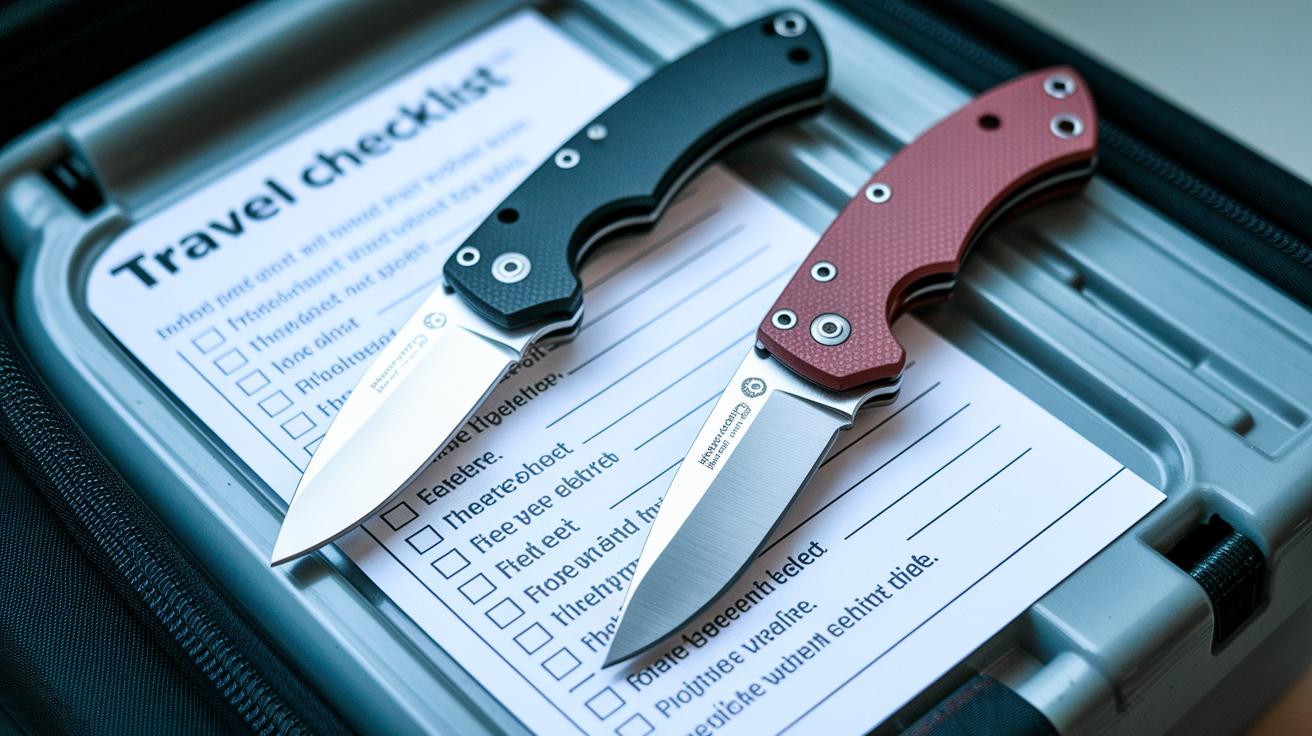
When you pack knives in checked baggage, knowing the difference between folding and fixed blades is key. Folding knives collapse to a smaller size and are easier to store, while fixed blades stay open and usually face tougher rules.
• Non-locking folding blades that are under 6 inches usually pass security. Often they are about 3 to 4 inches when folded.
• Plastic or round-bladed butter knives can be allowed in carry-ons. They also work with checked baggage if they meet safety rules.
• Fixed-blade knives, swords, and daggers have many restrictions. These items might be taken away if not managed carefully.
• Locking blades, especially those over 6 inches, often cause problems. Many airlines and security officials do not accept them.
Rules do vary by region. For example, some European checkpoints may allow blades under 2 inches with a bit more flexibility. In the United States, however, the rules stay strict. It helps to double-check the knife policies of your departure and destination areas before you travel.
Packaging and Securing Knives in Checked Baggage
When you pack knives in your checked bag, using a hard-sided suitcase is a smart move. A tough, hard shell helps protect your items from bumps and knocks. It keeps everything in place and stops the knife's cover from slipping off. This extra care is important for keeping sharp items safe until they are inspected.
- Put your knife in a firm plastic or polymer cover. This makes sure no part of the blade is visible.
- Wrap the covered knife in a few layers of clothing like socks or T-shirts. Use a small piece of tape to keep the layers in place. This cushion helps secure the knife.
- Mark the outer wrapping with "knife inside" and add your contact details. This tells baggage handlers what’s inside and helps if your bag gets lost.
- Place the wrapped knife in the center of your hard-sided suitcase. Surround it with soft items like towels or extra clothes. This keeps the knife from bumping against hard parts.
- For added safety, consider placing the knife inside a hard container before packing it. This extra layer guards the blade against accidental contact.
Adding an ID tag to the outer wrapping can speed up security checks. A clear label with "knife inside" and your contact info lets TSA agents and handlers know what they are dealing with. For more tips on smart packing, check out resources like the guide on how to pack smart for international air travel. Following these steps keeps your knife safely stored, meets security rules, and makes your journey smoother.
Declaring and Security Screening Procedures for Knives in Checked Baggage

When you check in, tell the airline staff if your bag contains a securely covered knife. This heads-up explains the special content and helps speed up the security check, saving you from potential delays.
Follow these steps:
| Step | Action |
|---|---|
| 1. Use Approved Locks | Choose TSA-approved locks that allow security agents to open them without cutting. |
| 2. Pack for Easy Access | Place the knife where it’s easy for TSA officers to inspect and confirm it is safely covered. |
| 3. Bring Documentation | Keep any paperwork handy that shows the knife meets transport rules and is for approved use. |
Not declaring or packing a knife correctly can cause big problems. TSA and baggage handlers follow strict rules, and an undeclared or insecure knife may be confiscated on the spot. This mistake can lead to steep fines or even legal trouble. Taking the time to declare and document your knife properly makes your travel smoother and keeps you out of hot water.
International Knife in Checked Baggage Protocols and Country Variations
When traveling internationally, it's a good idea to check the local rules about carrying knives. Each country has its own guidelines for what can go in checked luggage. Some places allow knives as long as they have specific locking features or blade lengths. Others may almost completely ban items like kitchen knives. Knowing these differences helps you avoid delays at customs and security checks.
| Region/Country | Allowed Blade Types | Restrictions |
|---|---|---|
| European Union | Knives in checked baggage, non-locking folding types | Limits on locking features and blade lengths |
| United Kingdom | Non-locking folding blades only | Blade length must be under 3 inches |
| Some Asian Countries | Often limited to certain edged tools | May ban kitchen knives and enforce strict rules |
| Other International Regions | Varies; some accept edged tools if declared | May require permits or import declarations |
If a destination doesn't allow a knife in your checked baggage, you might consider mailing it ahead. Postal services can be a secure option when you follow the country's mailing rules. This way, you transport your knife safely and keep your trip stress-free.
Compliance Tips and Penalties for Knives in Checked Baggage
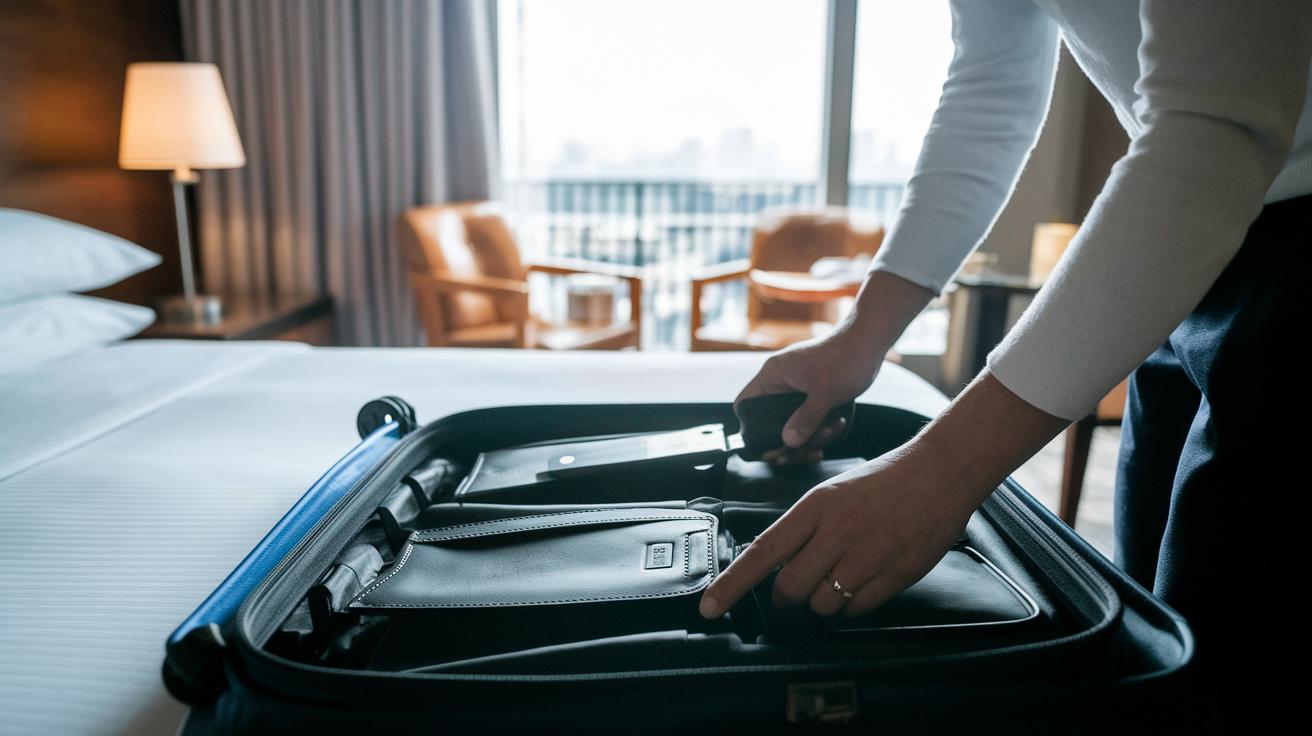
If you don't follow knife rules, you risk having your knife taken, paying fines from a few hundred to thousands of dollars, or even getting arrested. This makes it extra important to pack your items correctly.
Before you travel, check your airline's rules about carrying knives. Make sure your knife is in a sturdy plastic or polymer sheath. Wrap the sheathed knife securely in clothing or another firm item. Clearly label the outside of the package so security knows what it is. Use TSA-approved locks and be sure to declare the knife at check-in.
By doing these steps, you help speed up security checks and avoid legal troubles. This careful preparation keeps you clear of fines and possible arrest, letting you travel with confidence.
Final Words
In the action, this article breaks down TSA and airline regulations for carrying knives in checked baggage. It explains differences between carry-on and checked policies and offers clear packing steps. We covered airline-specific rules, proper sheathing, wrapping techniques, and the importance of TSA-approved locks. Understanding these guidelines helps avoid delays and penalties. Following the tips makes carrying a knife in checked baggage both safe and stress-free. Keep these insights in mind for a smoother travel experience ahead.