

Ever wonder how airlines manage to recover from a $200 million tech glitch? Airlines run like precise machines these days. Quick fixes and constant checkups turn small technical glitches into minor setbacks. Teams use data to spot issues early, making sure flights run on time and profits stay secure. This blog post shows that when airlines mix smart technology with strong teamwork, they remain flexible enough to handle any challenge. Resilience and adaptability always win, even when unexpected problems arise.
Building Resilient and Adaptable Airline Networks
Airlines do more than just keep flights on schedule; they build strong networks to avoid big money losses and messy problems. A tech glitch at Detroit Airport once cost a carrier about $200 million. Even short outages can lead to many delays and cancellations. One study reviewed 34,000 tickets over two years, cutting repair times and saving over $10 million a year. That tells us data-driven decisions really pay off.
Airlines now keep a close eye on their systems and use hybrid cloud setups (tech that mixes public and private cloud) to spot hidden issues before they escalate. By watching performance in real time, they catch problems early and fix them fast, reducing downtime. This proactive approach helps them stay flexible and ready for unexpected challenges by bringing IT, operations, and ground handling together as one team.
When issues arise, chatting openly across teams makes all the difference. For instance, when IT and ground crews work together, problems that could disrupt hundreds of flights get sorted in minutes. Clear, step-by-step plans mean that from maintenance teams to customer service reps, everyone knows exactly what to do when things go wrong.
Using data to guide decisions is key. By checking network performance and using simple forecasts, airlines adjust operations to keep services running smoothly. This mix of smart technology and teamwork not only cuts risks but also builds a strong base for future improvements. In the end, these changes help reduce delays and make travel safer for everyone.
Core Strategies for Aviation System Robustness and Network Durability

Airlines keep their flight services strong by using strategies that tackle both day-to-day issues and long-term network stability. They do regular network checkups to find hidden problems before they turn into big outages. Tools that monitor the system in real time and methods that check risks give a clear view of the network’s health. Meanwhile, smart maintenance analysis spots failing routers and switches early, so repairs can start before any service stops.
Using automation, like no-code tools and automated troubleshooting steps, helps fix problems 25% faster. This not only cuts down on repair times but also saves the airline over $10 million each year. On top of that, building network systems with backup paths lets data reroute in milliseconds. This keeps flights running smoothly even if one part of the network has trouble. When issues do pop up, teams from IT, operations, and customer support work together quickly to sort them out.
Key strategies include:
- Continuous Assessment: Regular checks spot issues before they become serious.
- Predictive Analytics: Data insights help maintenance teams fix problems early.
- Automated Troubleshooting: Automated steps cut down repair time and save costs.
- Architectural Redundancy: Extra network paths allow instant rerouting when needed.
- Unified Crisis Protocols: Coordinated team efforts lead to fast, effective fixes.
Flexible Routing Strategies and Adaptive Scheduling in Airline Networks
Airlines today mix flexible routing with dynamic scheduling to keep flights on track. As travel bounces back after the pandemic, carriers are moving away from the old hub-and-spoke model. They now favor point-to-point routes that cut down on long layovers. For example, if a flight faces weather trouble, a dynamic schedule can reassign planes and crews in just a few hours.
Airlines also use real-time route optimization. This means they use current traffic and weather information to adjust their schedules. This smart, proactive method helps reduce delays and lessen the impact of any disruptions. Carriers can quickly change planned routes to grab open slots and avoid busy air corridors. One way they do this is by switching a narrowbody jet to a short-haul flight according to a pre-set plan.
Another key tactic is fleet diversification. By using different aircraft types, airlines can match the right plane to the right route. Widebody jets handle long-range flights while narrowbody planes serve frequent regional trips. Flexible slot assignments and smart delay-control techniques further boost on-time performance and keep travelers moving smoothly.
Together, these approaches form a strong system that adapts to both planned changes and sudden issues. This means fewer delays and smoother connections for passengers. By constantly honing their routing and scheduling methods, airlines are not only meeting evolving travel needs but are also building networks that can handle any unexpected hiccups.
Technology Innovations Enabling Airline Network Adaptability
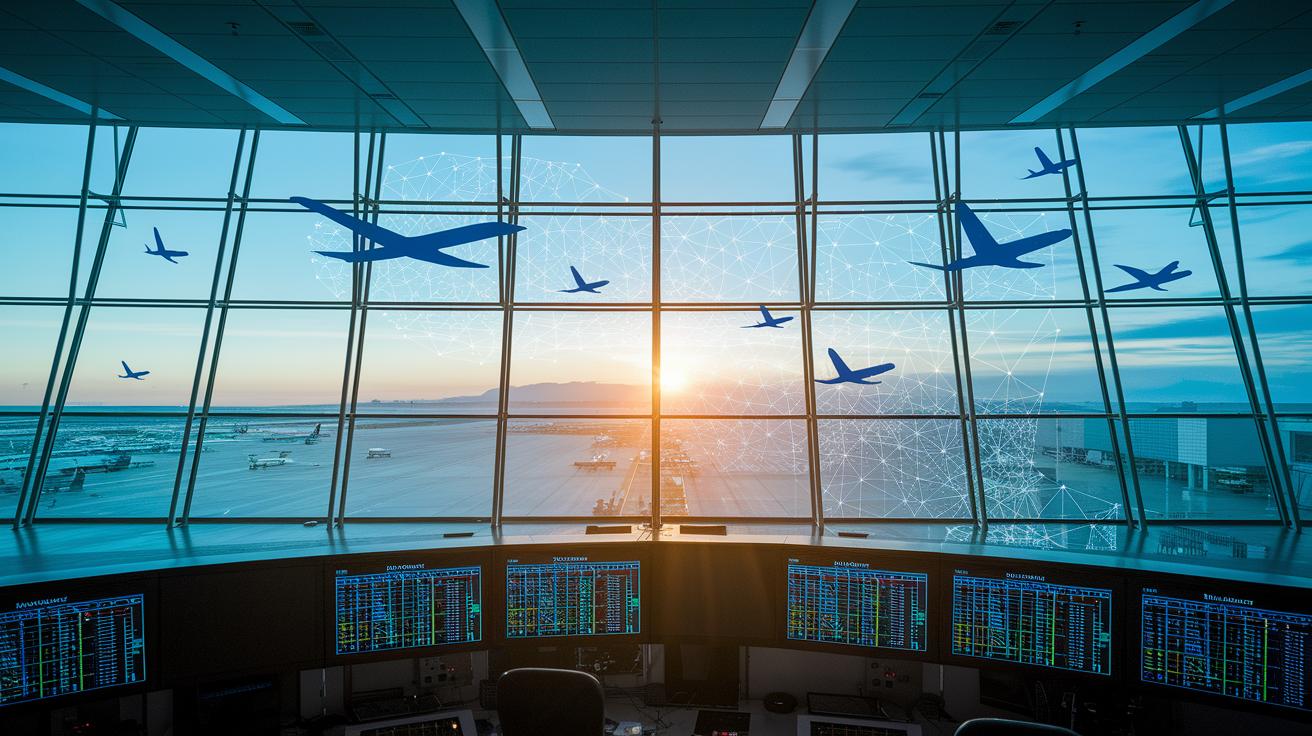
Airlines are quickly using new tech to build a digital system that makes operations better every day. By combining modern digital tools with cloud-based management, carriers get a clear view of both their in-house and online networks. This mix lets teams watch over complex IT systems, catch issues early, and make decisions on the spot. For example, before a big storm hit, one airline used big data to change its flight paths and cut down delays by predicting how the weather would affect routes.
Smart machine learning tools play a major role in improving both real-time route planning and crew scheduling. These systems learn from data every day, which helps them predict when maintenance is needed and plan shifts more efficiently. Forecast algorithms use large sets of data to predict traffic and manage capacity, leading to better resource use and fewer hiccups during peak periods.
Tools like digital twins and no-code automation sharpen the ability to spot problems before they occur. They help airlines map their networks quickly and reduce downtime, which is vital in a fast-changing market. As technology keeps evolving, these innovations will continue to shape airline operations and help keep air travel smooth and reliable.
Airline Case Studies: Demonstrating Network Resilience and Adaptability
Delta Air Lines: IT Disruption Mitigation
Delta Air Lines experienced a serious IT outage at Detroit that cost the company about $200 million. The outage shut down key systems, led to long flight delays, and hurt customer trust. In response, Delta brought together its IT, operations, and customer support teams to tackle the problem. They used crisis protocols that involved careful process checks and automated troubleshooting, which speeded up repairs significantly. This focused effort not only got flights back on track but also offered important lessons in crisis management. Delta’s experience shows that a united, clear plan can ease big challenges and strengthen an airline’s network even during tough times.
Emirates’ Fleet Renewal for Network Flexibility
Emirates is set to receive 13 new Airbus A350-900 jets in 2025. These fuel-efficient planes will help meet rising passenger demand while improving operational efficiency. By adding these jets, Emirates is diversifying its fleet and better aligning its supply chain. The A350-900 is designed to handle long, less crowded routes where efficiency is crucial. This move is expected to lower fuel use and boost the airline’s ability to respond quickly when disruptions occur. With 73 A350-900s on order, Emirates is building a flexible network that can handle change. For more details on this development, see fleet insight.
Both cases show that strong crisis management and smart fleet updates help airlines adapt quickly and keep their operations resilient in a competitive global market.
Final Words
In the action, we saw how continuous assessments, predictive analytics, and adaptive scheduling work together to keep flights running smoothly. The post covered strategies from real-time monitoring to crisis protocols, showing how airlines guard against major disruptions.
The discussion highlighted how modern tech and operational foresight make airline network resilience and adaptability possible. These measures offer stronger, smoother travel experiences for everyone, ensuring a positive path forward.
FAQ
What does the Airline network resilience and adaptability PDF and example cover?
The PDF and example explain how airlines use data-driven decision-making and integrated communication channels to quickly fix network issues and reduce delays.
How did airline network resilience and adaptability perform in 2022?
In 2022, airlines showed improved network resilience by using advanced monitoring tools and adaptive frameworks, which helped lower repair times and cut financial losses.
How did airline network resilience and adaptability evolve in 2021?
In 2021, airlines began relying more on continuous network assessments and hybrid‑cloud visibility to detect hidden faults and maintain steady operations during disruptions.
What are the core strategies airlines use to build robust and resilient networks?
Airlines build strong networks with these five strategies:
- Continuous network assessments: to find hidden issues before they cause outages.
- Predictive maintenance analytics: to spot degrading components for timely repairs.
- Automated troubleshooting: to speed up problem resolution and lower repair times.
- Redundant network architectures: to swiftly reroute traffic during outages.
- Unified crisis coordination protocols: to align teams and respond quickly to incidents.
How did Delta Air Lines mitigate IT disruptions during the Detroit outage?
Delta’s IT disruption mitigation shows they coordinated closely across teams, which lowered repair times and helped restore on‑time performance after a costly outage.
How does Emirates’ fleet renewal boost network flexibility?
Emirates’ fleet renewal improves network flexibility by using new A350‑900s designed for efficient long‑haul routes, supporting better market adaptation and route expansion.