

Are airlines betting big on new planes, or are they leaning on smart data to cut costs? Many carriers mix quick decisions with real numbers to build fleets that save money and run more efficiently. Even a small 5% boost in fuel efficiency can mean huge savings. This article shows how careful fleet planning meets changing market demands and rules, proving that smart choices can transform competition in the skies.
Understanding Airline Fleet Strategy Analysis
Airlines use data insights to plan and manage their fleets. They study market trends and forecast demand to adjust quickly when passenger tastes, economic conditions, or new rules appear.
A big part of this planning is reading performance numbers. Airlines track details like fuel use per flight and how long it takes to get a plane back in service. For example, one carrier found that a 5% boost in fuel efficiency could cut operating costs a lot. This careful look helps them make smart choices, whether buying new planes or changing routes, to stay competitive.
Changing fuel prices, stricter rules, and economic ups and downs all shape fleet strategies. Airlines balance the value of their assets with risks by following proven planning methods. They often use:
- Simple dashboards to watch daily operations
- Scenario-based forecasting to predict market demand
- Regular reviews to ensure their fleet fits current economic trends
For instance, if data shows fuel prices are dropping and more travelers are choosing short flights, an airline might add more fuel-saving, narrowbody planes. This move saves money and matches evolving travel needs.
This approach not only boosts efficiency but also helps airlines prepare for today’s challenges and tomorrow’s opportunities.
Fleet Composition and Aircraft Acquisition Planning

Airlines take bold steps when updating or expanding their fleets. They carefully decide whether to lease or buy new planes. When evaluating leases, the focus is on flexibility versus cost. Leasing lets airlines adjust capacity quickly without a big long-term cash commitment. Think of it like renting a car when you need one instead of buying it outright.
The choice to buy has a different set of benefits. Buying a plane means a larger upfront cost but can be more economical over many years, especially if the plane retains its value. Many airlines prefer owning planes for the long haul. Using similar types within their fleet also cuts down on pilot training and maintenance hassles since parts and service processes overlap.
Timing also plays a big role in these decisions. Order placement is a delicate balance. Wait too long, and you might miss a good pricing window; order too early, and planes may sit idle when demand is low. One expert summed it up well: "It is like timing your runway takeoff perfectly, you want to be in the right place at the right time."
Airlines focus on key factors such as:
- Assessing current assets and future needs.
- Comparing lease costs against long-term savings.
- Weighing purchase options based on performance and future value.
- Planning for the replacement of older, less efficient aircraft.
| Decision Factor | Consideration |
|---|---|
| Leasing Options | Flexibility, lower initial cost, and short-term adjustments |
| Purchase Analysis | Higher upfront cost with long-term savings and asset retention |
| Order Timing | Delivery slot scarcity and market conditions |
They also ensure that all acquisitions meet regulatory standards set by the federal aviation administration. This careful oversight guarantees that the fleet strategy aligns with both market trends and safety guidelines.
Cost Optimization Tactics and Operational Efficiency for Fleet Management
Airlines cut costs by using smart maintenance practices that keep planes flying and avoid delays. They plan checkups based on hours flown or cycles used, which helps reduce unscheduled repairs and gets aircraft back in service quickly.
Using smart tools, airlines gain a clear view of how their fleet is doing. They pull data from aviation tech platforms like KeysUnAir to monitor performance in real time. This digital insight spots issues early, so small problems don’t turn into big bills.
Fuel efficiency is another key to saving money. Airlines manage rising prices by hedging fuel costs and work with experts to craft fuel plans that save money while protecting the environment. Together, these steps help keep costs steady and support green efforts.
Airlines also boost efficiency by using a lean operations framework. With IoT monitoring tools, they can predict when a plane needs a checkup instead of sticking to fixed schedules. This approach cuts down on unnecessary downtime and extra repairs. For example, doing routine checks during off-peak hours can save repair time and avoid flight disruptions.
Altogether, these tactics form a complete strategy. By combining preventive maintenance, real-time data, and fuel-saving programs, airlines not only lower costs but also keep their fleets reliable. This means more flights, fewer surprises, and the flexibility to adapt quickly to market changes, all while meeting today’s tough economic demands.
Digital Analytics and Performance Metrics in Fleet Strategy
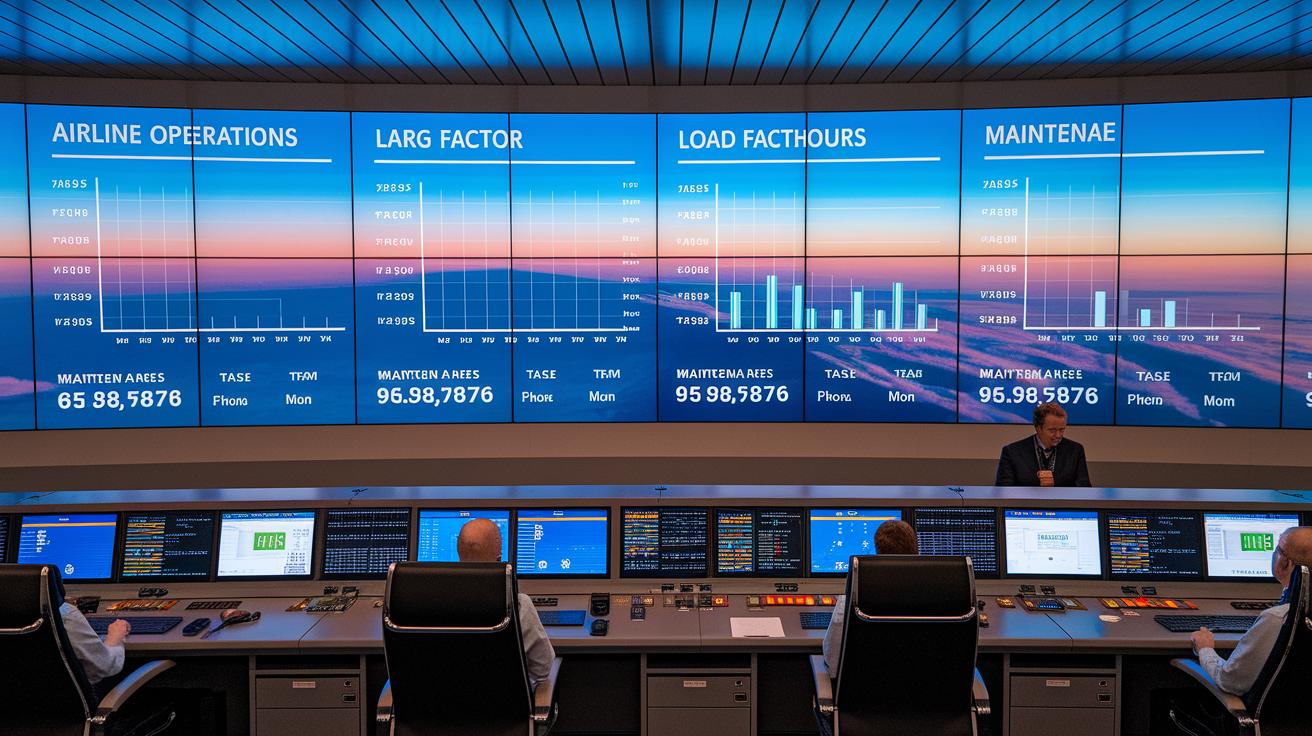
Airlines use digital tools to sharpen how they run their planes. They rely on real‑time dashboards that show key numbers such as how often flights operate, how well maintenance tasks are doing, and how profitable certain routes are. For example, one airline found that tracking turnaround times and fuel efficiency as they happen allowed them to quickly adjust schedules when demand shifted.
Digital platforms gather details like flight hours, the percentage of seats filled, and schedules for preventive repairs. This approach paints a clear picture of each plane's condition and helps decide where a plane performs best. Forecasting models mix past data with current trends, making it easier to decide on the spot how to deploy aircraft.
Airlines then use these insights to change fleet sizes and flight timings based on expected passenger numbers. Dashboards show important signals like delays, repair needs, and resource availability. This broad view means fewer idle planes and more effective use of every asset. For instance, a system might alert crews when a plane’s downtime increases, prompting a quick check.
By relying on data-driven insights, carriers can quickly identify ways to improve operations and catch performance issues early. This leads to more agile and responsive fleet management that adapts as market needs change.
Sustainability Assessment and Modernization Strategies in Fleet Analysis
Airlines are under growing pressure to meet tougher environmental rules, so many are refreshing their fleets with greener choices. They now check how each plane affects the environment over its life. This means measuring fuel use, engine emissions, and the chance to use sustainable aviation fuel (SAF, a cleaner type of jet fuel). One airline, for example, reviewed its entire fleet and switched to cleaner engines to work toward net-zero emissions.
Modernizing their fleets is now a top priority. Airlines compare the long-term benefits of eco-friendly aircraft with the higher upfront costs. They run environmental checks on each model over time to make sure the planes are both efficient and cost-effective. These assessments help them choose aircraft that cut carbon emissions and lower operating expenses.
Finding the right balance between smooth operations and a smaller environmental footprint is key. By following clear rules and working with expert teams, airlines can make upgrades that fit their budgets. Their plans include regular updates and smart maintenance, ensuring older planes run as cleanly as possible while newer models set the standard.
Tools that track sustainable fuel use and carbon cuts are a big help. Initiatives like these not only reduce the environmental impact but also save money and spark fresh ideas in fleet strategy.
Airline Fleet Strategy Analysis: Bold Moves

Airlines rely on detailed studies of demand and air traffic to match the right plane with the right route. They check data on passenger trends and traffic volume to decide which routes need larger, long-haul aircraft and which do better with efficient, short-haul models. By studying network design and traffic patterns, they adjust fleet size to keep planes busy and boost profits.
This careful planning follows a few smart steps. Airlines start by running studies that compare expected passenger loads to available seats. They set target load factors to make sure flights cover costs and earn a profit. One carrier even shifted an extra narrowbody plane to a busy route with steady, smaller demand, which improved overall performance.
Carriers also match aircraft with route needs by considering factors like:
| Factor | What It Means |
|---|---|
| Passenger Numbers | How many travelers are expected |
| Aircraft Range & Fuel Use | How far a plane can fly and how much fuel it uses |
| Flight Frequency | How often flights need to run on a route |
This type of capacity planning makes sure routes aren’t served by underused planes and that every flight flies with as many passengers as possible.
Using network design analysis, airlines can compare revenue from different aircraft and fine-tune their mix. By aligning capacity with actual demand, they avoid empty seats and ensure flights run at optimal occupancy.
These bold moves in fleet strategy help airlines adapt quickly to market changes. Forecasting and real-time data guide their decisions, ensuring every route gets the right aircraft at the right time. This smart planning lowers costs and boosts overall network performance.
Competitive Benchmarking and Market Demand Forecasting in Fleet Strategy
Airlines keep a close eye on their performance by comparing their fleets with those of competitors. They check out factors like how similar their aircraft are, how much they fly, and how old they are. This helps them see if they're matching up to the best in the business. For example, one airline might notice its fleet is older and less flexible than others, pushing it to invest in newer, fuel-saving models.
Market demand forecasting is a big part of planning. Airlines use past data and current trends to predict which routes will attract more passengers and which types of aircraft will work best. They mix historical performance with planning for different economic scenarios, like fuel price changes or overall market shifts. Interestingly, airlines using advanced forecasting methods have seen a 12% increase in route profits by aligning their fleet with shifting travel patterns.
Key factors include:
| Factor | Details |
|---|---|
| Fleet Age & Efficiency | How old the planes are and how well they use fuel |
| Passenger Trends | Predictions about passenger numbers and load factors |
| Fuel Price Impact | How changes in fuel costs affect overall expenses |
Regular assessments of competitive positioning let carriers adjust their strategies to meet market realities. This approach not only spots gaps in fleet performance but also prompts a broader look at economic conditions. By leaning on clear, data-driven insights, airlines can plan fleet expansions or updates that keep them ready for future travel trends and economic changes.
Case Study: Lean Maintenance and Strategic Fleet Selection

Context
One airline found that sticking with old maintenance routines meant longer waiting times on the ground and higher costs. So, they switched to cycle-based maintenance. This means they plan checkups after a set number of flight hours or cycles instead of on a fixed calendar date. At the same time, they chose a fleet made up of one family of narrowbody planes. This change cut down on extra pilot training and spare-parts stock. One expert compared it to everyone speaking the same language, saying it made operations run much smoother.
Implementation Steps
The airline started by reworking its maintenance plan to use lean methods and real-time data. They took these steps:
- Reviewed past maintenance records to spot trends and plan ahead.
- Set up maintenance schedules based on how many flight hours or cycles the planes had, rather than on fixed dates.
- Moved to a single narrowbody fleet to simplify pilot training and manage parts better.
- Rolled out digital dashboards that showed maintenance status and inventory levels instantly.
- Trained the maintenance team to rely on data analytics for quicker decisions.
Outcomes and Metrics
These changes led to clear improvements. The airline saw a 15% increase in uptime, meaning the planes spent less time on the ground. The single-family fleet also trimmed costs by 25% on pilot training and spare-parts management. Real-time tracking allowed the team to handle maintenance issues quickly, cutting down on delays. Overall, these updates boosted operational efficiency and helped the airline stay competitive in a tough market.
Future Trends and Projections in Airline Fleet Strategy Analysis
Fuel costs and changing rules shake up how airlines plan their fleets. Airlines are gearing up for a future with hybrid-electric regional jets that could lower fuel bills and cut emissions. Next-generation widebody planes should deliver even more efficiency on long, busy routes. One industry insider said, "Hybrid engines may reshape regional flight power within a few years, changing cost structures and reducing environmental impact."
AI scheduling tools are set to change how flights are managed. They use up-to-date data to adjust flight times and maintenance on the fly. Digital twin simulations let airlines test new ideas using virtual models, so they can refine operations without affecting real flights. Experts are now advising airlines on net‑zero plans (balancing emissions with removals) and helping them integrate cleaner technologies and smarter dispatch systems. This digital integration not only sharpens cost estimates but also helps airlines adjust to new rules. Check out future challenges in airline economics for more on this changing field.
Airlines now face the challenge of balancing old systems with fresh innovations. Carriers are rethinking fleet lifespans by weighing everyday flexibility against long‑term value. Market trends and tech insights are opening up new ways to plan that are both nimble and effective. In short, adapting to these shifts is essential for staying competitive in an unpredictable market. Airlines that plan for greener goals and technological breakthroughs will be best prepared for the next decade.
Final Words
In the action of dissecting airline fleet strategy analysis, the article breaks down everything from cost-cutting practices to digital performance tracking. It covers aircraft acquisition, lean maintenance, sustainability, and route network planning with clear, data-driven insights. The discussion simplifies complex planning challenges and offers practical steps for refining operational efficiency and competitive positioning. This hands-on review equips you with useful strategies to reduce travel stress and save money. Enjoy the clarity and confidence that comes with smarter travel planning.
FAQ
What does airline fleet strategy analysis PDF include?
The airline fleet strategy analysis PDF includes insights on fleet planning, market analysis, and acquisition decisions. It provides a guide for aligning aircraft selection with competitive and operational goals.
What does airline fleet strategy analysis 2022 cover?
The airline fleet strategy analysis 2022 covers modern trends like sustainability, digital analytics, and market forecasting. It helps airlines adjust strategies amid changing economic and regulatory conditions.
What constitutes the best airline fleet strategy analysis?
The best airline fleet strategy analysis combines data-driven insights, market trends, and performance metrics. It guides decisions on fleet acquisition, cost management, and operational efficiency to boost competitive positioning.
How does airline fleet management work?
Airline fleet management involves aircraft acquisition, maintenance planning, and cost-reduction tactics. It applies lean practices and digital tools to maintain high operational reliability and performance across the fleet.
What do airline network planning jobs entail?
Airline network planning jobs involve evaluating route profitability, capacity planning, and competitive benchmarking. Professionals in these roles align fleet deployment with market demand and operational efficiency targets.
How is the airline Fleet Manager salary determined?
The airline Fleet Manager salary depends on factors like region, carrier size, and experience. It reflects the responsibilities of strategic planning, maintenance oversight, and cost control within the fleet operations.
What are aircraft fleet management jobs about?
Aircraft fleet management jobs focus on strategic analysis, maintenance scheduling, and market-responsive fleet planning. These roles drive operational efficiency and offer career opportunities in the aviation industry.
What defines an airline business model?
The airline business model outlines revenue strategies, fleet selection, cost optimization, and network planning. It integrates market analysis with operational decisions to balance profitability and service efficiency.