

Ever wondered if airlines really care when delays and extra fees hit? New FAA rules promise smoother flights and less hassle for passengers. Soon, strict rules will ban intoxication on flights. And if a delay runs long, you'll get a simple refund that even covers baggage fees. Fees for bags and seating will be crystal clear, and extra charges for seating children are gone. These updates give you more control and peace of mind when you travel. Let's look at what these changes mean for you.
Key Updates in FAA Passenger Regulations
The FAA is changing its rules on passenger safety and service. Starting in 2027, airlines must follow tougher policies. One of these is a strict rule against intoxication on flights. Also, if a domestic flight is delayed by 3 hours or more, or an international flight by 6 hours or more, you will get a no-hassle refund. Before these improvements, many passengers were left wondering if they were due a refund during long delays.
Airlines must give a full refund, including all taxes and fees, if you decline the rebooking option. This refund also covers baggage fees when checked bags turn up more than 12 hours late on domestic flights or between 15 and 30 hours late on international trips.
By April 30, 2025, every airline must clearly list the costs for the first and second checked bags and any carry-on fees. They also cannot charge extra to seat a child (age 13 or younger) next to an adult. You’ll also benefit from round-the-clock customer service, with clear service promises posted by the DOT and vouchers that last at least five years. Plus, within 30 days of these new rules, airlines need to publish detailed information about the seat dimensions for economy class. Nearly all airports will also have to display passenger-rights posters by summer 2025.
Civil fines for breaking these rules have increased from $25,000 to $75,000 per violation. The guidelines now also put stronger protections in place for travelers with disabilities. This overhaul is a major shift in aviation regulations designed to boost government oversight and better protect your rights as a passenger.
Refund and Baggage Fee Rule Changes for Passengers
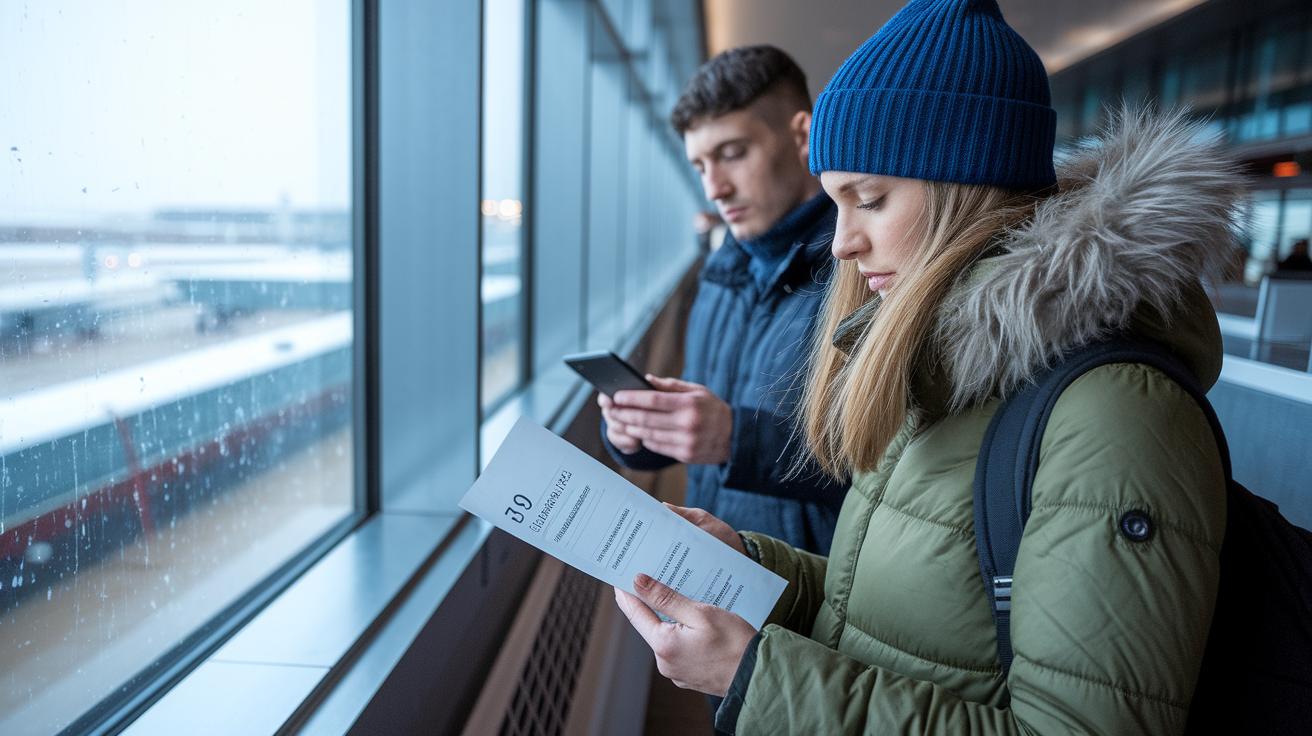
New rules come after regulators and passengers pushed for clear pricing. Airlines must now list all baggage fees so that travelers know exactly what they're paying for. This move aims to rebuild trust lost over hidden fees and surprise charges.
Carriers are now rethinking their pricing setups. They must break down fares step by step, which could lead to more honesty in costs across the industry. One traveler, delayed by a winter storm, received a refund invoice that clearly listed each fee, reassuring them about the cost details.
Airlines may revise how they operate to cut down on large refund claims. These changes could affect flight schedules and cost management. Starting April 30, 2025, airlines will have to provide clear fee listings for first and second checked bags as well as carry-on items.
| Delay Type | Domestic | International |
|---|---|---|
| Refund Trigger | 3 or more hours delay | 6 or more hours delay |
| Baggage Fee Refund | Checked bags arriving 12+ hours late | Checked bags arriving 15–30 hours late |
Family Seating and Customer Service Standards under FAA Updates
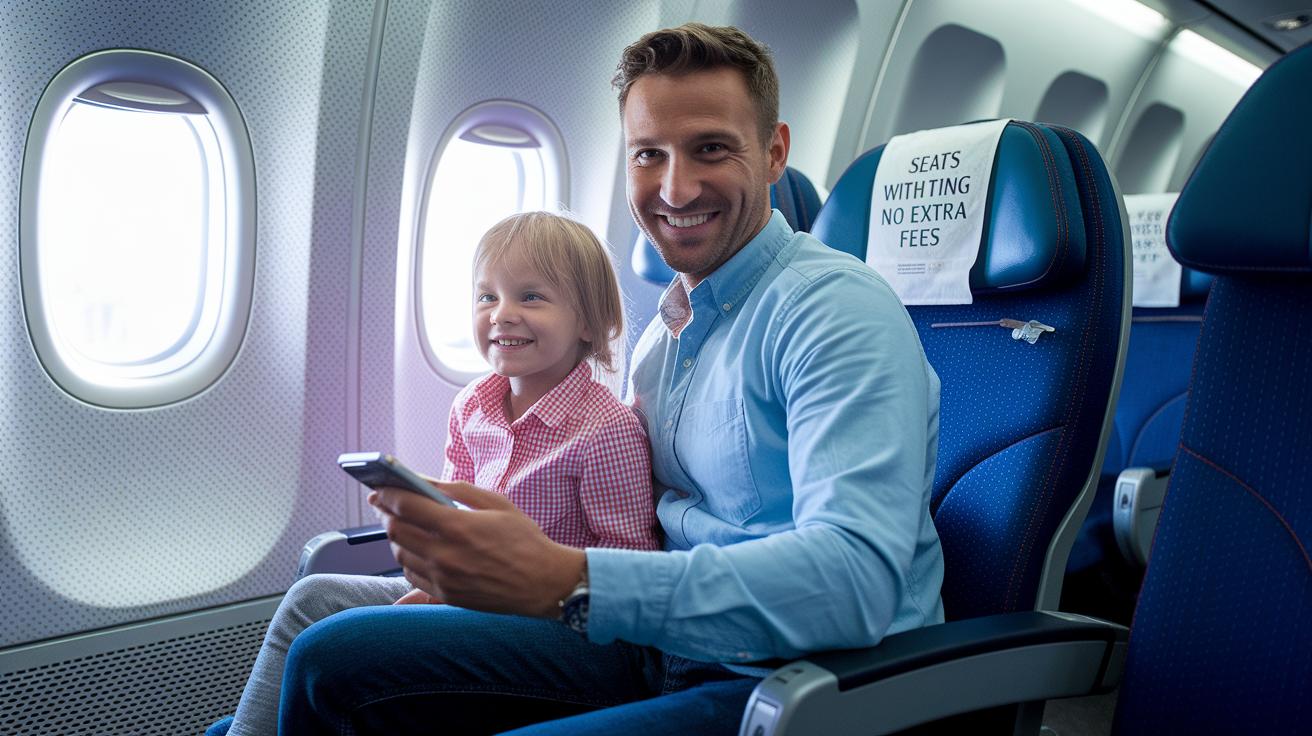
Airlines must now include all benefits upfront. They cannot charge extra if you want your child, age 13 or under, to sit next to you. Starting September 13, 2024, every carrier will offer live customer support around the clock. This means you can call for help anytime, like hearing "no extra fee for your child’s seat" when booking.
Airlines will also display their service promises on the Department of Transportation website, and they must provide vouchers that remain valid for at least five years. One traveler shared that knowing help is always one call away makes late-night travel much less stressful.
Timeline and Compliance Deadlines for New FAA Passenger Rules
Below are key dates not mentioned earlier:
-
October 28, 2024: By this date, airlines must start offering a no-hassle refund policy and follow new ticket-agent guidelines. For instance, "When I saw the refund policy deadline, I knew that complaints about delayed refunds would soon be a thing of the past."
-
Proposed November 12, 2024: A new rule is expected that will remove extra fees for seating a child (13 years old or younger) next to an adult. Imagine a parent booking a flight and realizing they won't pay extra for their child to sit beside them.
Enhanced Safety and Security Protocols in Revised FAA Regulations
The FAA’s 2024 law shows a strong push for safer flights. By 2027, all airlines must follow new rules to limit passenger intoxication and cut down on mid-flight problems. Picture getting on a plane where any disturbances are kept in check, making your journey smoother from takeoff to landing. The law also updates security screenings to boost safety.
Airlines will use new screening methods that stop unauthorized items from coming on board. They are also upgrading emergency communication networks so that crews can share important information quickly when needed.
Runway and cabin safety procedures will also improve. Regular updates will ensure that both ground and in-flight safety steps keep up with today’s challenges. This plan builds on current safety programs while aiming for even greater protection.
Travelers will notice these changes with smoother flights and quicker emergency responses. One passenger even said that clear safety guidelines during a delay made them feel more secure. These new rules focus on lowering risks, improving transparency, and creating a safer travel environment. Regular checks and strict enforcement will help raise safety standards on every flight.
Seat Dimension Transparency and Passenger Information Requirements
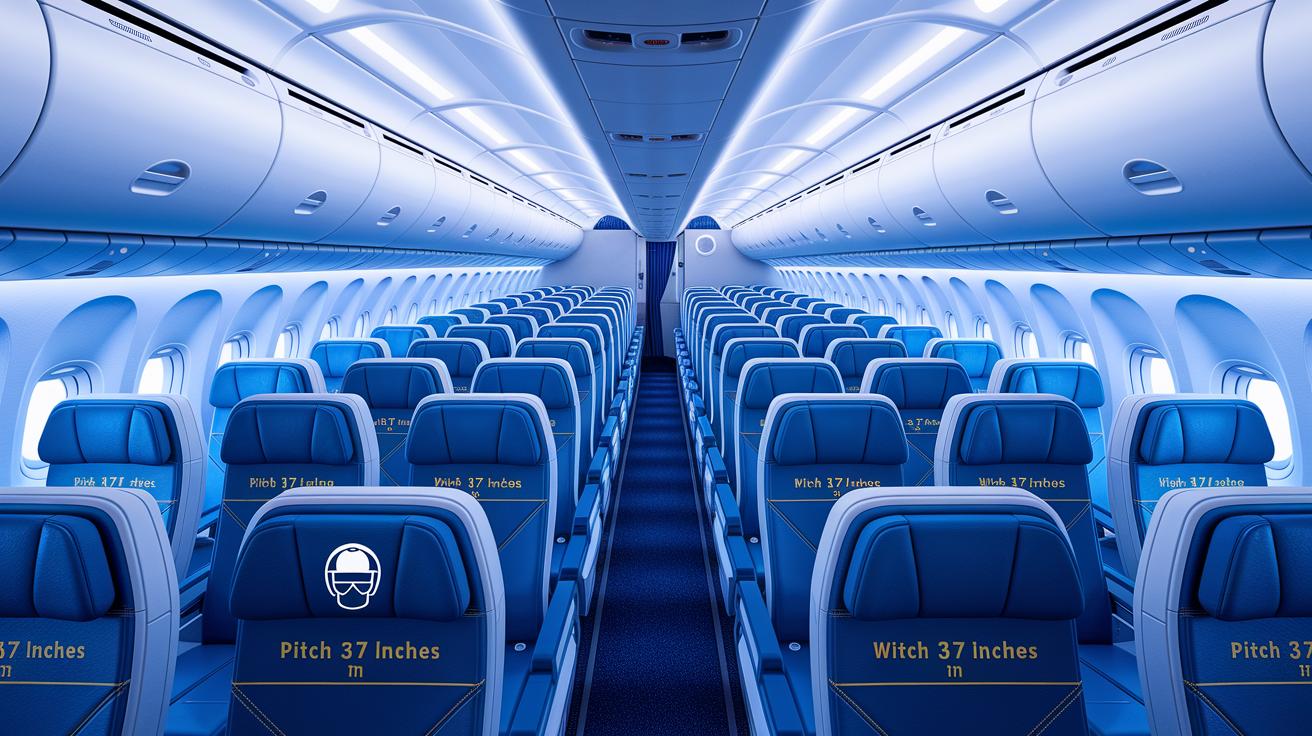
Airlines must clearly list the measurements of their economy seats, including pitch (the space between rows), width, and length. They are required to publish this information within 30 days after the rule takes effect. For example, an airline might state: "This seat has a pitch of 31 inches and a width of 17 inches."
Nearly every U.S. airport will need to display posters about passenger rights by summer 2025. For all the details, please see the Key Updates in FAA Passenger Regulations section.
faa rule changes affecting passengers: Smooth Takeoffs Ahead
The FAA has introduced new rules that bring tougher fines and clearer ways for passengers to claim compensation. Airlines can now face fines of up to $75,000 for each rule break, sending a strong message that mistreating passengers has serious costs. This means if you are bumped off a flight and face a long delay, your compensation will match the length of the delay.
If your baggage is mishandled or lost, even items like wheelchairs or scooters, you could receive up to $4,700 in reimbursements. Plus, if your flight is canceled or takes much longer than planned, airlines must cover costs like meals, hotel stays, or alternative transportation.
The new rules also offer better support for passengers with disabilities. Now, there are more accessible ways to get compensation when travel needs aren’t met. The Department of Transportation has extra powers to enforce these rules more strictly.
Overall, these changes give you more options to file complaints and claim what you’re owed. Airlines are now held responsible for every part of their service, which means passenger rights are stronger than ever.
Final Words
In the action, we explored new FAA measures that reshape travel. Updated refund rules, baggage fee policies, and family seating rights are set to reshape your air travel experience. New safety and security protocols and transparent seat dimensions give you more control and preparedness. The timeline for each step means airlines must adapt quickly. These faa rule changes affecting passengers aim to lower travel stress and improve overall service, leaving a positive mark on your next flight.