

Have you ever noticed how air safety has evolved over time? Some years brought big spikes in incidents, while others recorded record-low numbers. The mix of private, military, and commercial flights shows that we’ve made progress, even though challenges remain.
These trends go beyond mere numbers. Better pilot training and tighter maintenance checks have played a big part in making flying safer. In this post, we break down the yearly trends and explain what’s helping to boost safety.
Get ready as we take a closer look at how each year is steering us toward safer skies.
Annual Aviation Accident Statistics Snapshot
Every year, air safety faces new challenges and gains improvements. In 2022, the International Air Transport Association reported 39 aviation accidents. That number may seem small, but those 39 incidents set a new benchmark for safety reviews by experts.
In 2023, commercial aviation reached its lowest levels of accidents and fatalities ever. This drop shows the benefits of better pilot training, regular aircraft maintenance, and smoother operations. It also gave industry leaders confidence to fine-tune safety protocols even more.
Then in 2024, the figures changed dramatically. Over 5,000 documented plane accidents occurred around the world, resulting in 1,571 fatalities. Most of these involved private or military aircraft, while commercial airline issues stayed rare. This rise reflects a broader mix of aircraft and operating environments rather than a decrease in commercial safety.
So far in 2025, two major events have grabbed headlines:
- UPS Airlines flight 2976, flying a McDonnell Douglas MD-11F, crashed after takeoff from Louisville bound for Honolulu on November 4, resulting in 14 deaths and 15 injuries.
- Air Busan flight 391, operating an Airbus A321-200, experienced a fire before takeoff at Gimhae International Airport. All 176 passengers and crew evacuated safely, though seven people were injured.
These yearly figures show that while air travel is getting safer, we must remain vigilant. Each event teaches the industry valuable lessons to help protect millions of passengers around the globe.
Long-Term Trends in Aviation Accidents by Year
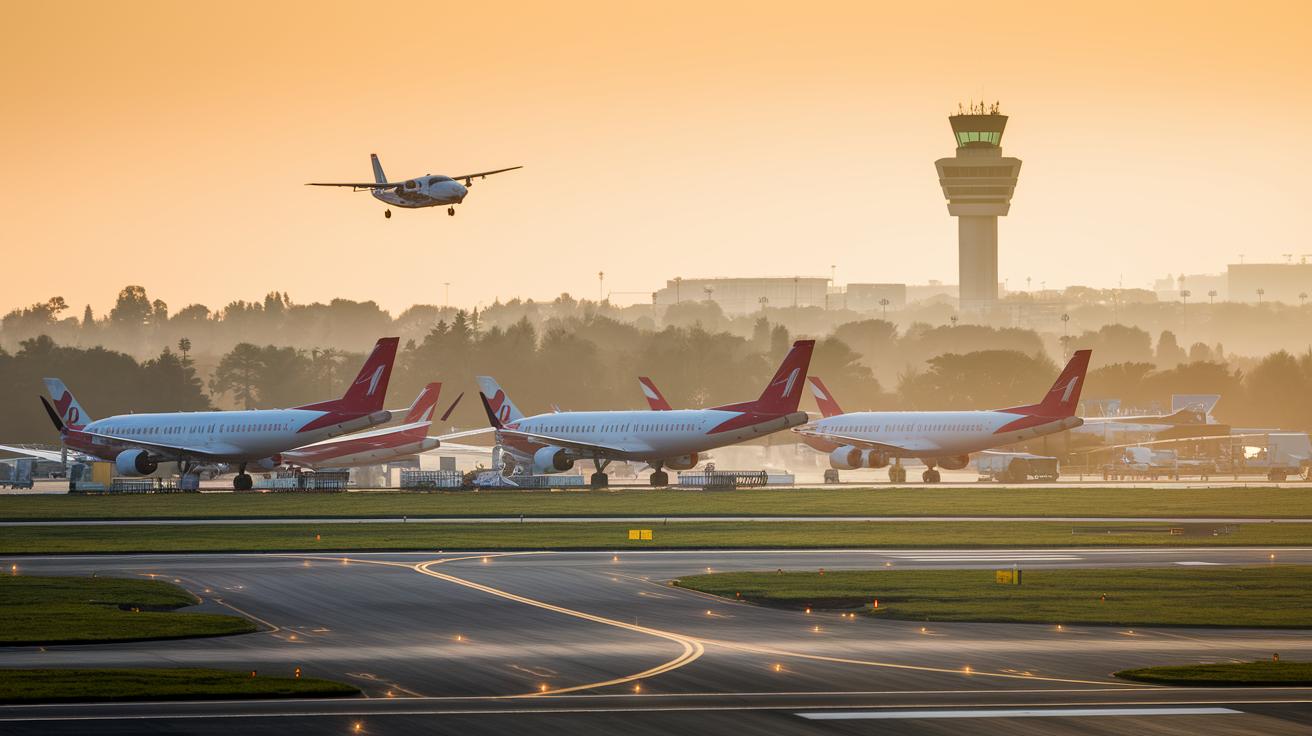
A study covering 1982 to 2019 found that nearly half of all aviation accidents happened during takeoff or landing. During these years, almost 80% of these incidents involved general aviation (private or non-scheduled flights). Over time, the number of accidents per flight hour has dropped a lot. Better navigation tools, improved pilot training, and modern aircraft designs have all helped make flying safer. Think about how much safer flights have become since the 1980s, when even a normal flight could be much riskier.
The study also shows that both the number of accidents and the average deaths per accident have gone down over each ten-year period. This steady decline comes from new technology, better rules, and a strong focus on safety. Looking back at these years, we see just how far aviation has come. With better flight procedures and improved equipment, air travel is now a safer way to get around, even though accidents can still happen.
Notable Aviation Accidents by Year: Major Incident Chronology
-
2025 – UPS Airlines Flight 2976:
A McDonnell Douglas MD-11F cargo plane crashed soon after leaving Louisville. You can find the full details in the annual statistics section. -
2025 – Air Busan Flight 391:
An Airbus A321-200 suffered a fire onboard at Gimhae International Airport before takeoff. Check the annual statistics section for the complete overview. -
2024 – Japan Airlines Flight 516:
An Airbus A350 coming from New Chitose Airport collided on landing at Haneda Airport with a Japan Coast Guard Dash 8. Five Coast Guard members lost their lives, but all 379 passengers got off safely. This incident shows how tough runway operations can be and how important coordinated emergency responses are. Think of it as a landing mishap that tested crisis teams. -
2009 – Continental Flight 3407:
A Bombardier Dash 8 crashed near Buffalo. This was the last commercial air crash in the country, taking 49 passenger lives and one on the ground. That single tragedy led to major changes in pilot training and how aircraft are maintained.
Primary Causes of Aviation Accidents by Year
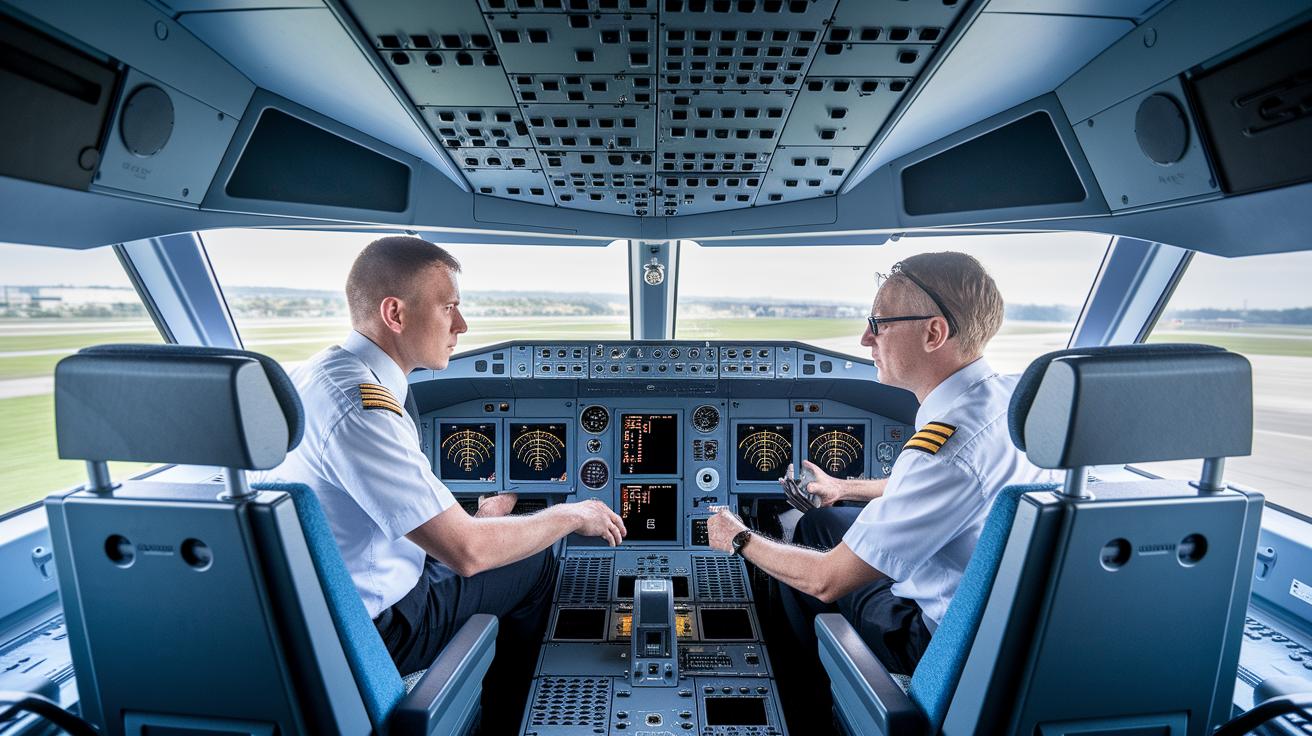
Human mistakes top the list when it comes to aviation accidents. NASA data shows that about 70% of these incidents are due to errors made by people. In simple terms, a small error by a pilot or during maintenance can quickly change a normal flight into a serious situation. Think of it like slipping on a wet floor, a tiny misstep in the cockpit can lead to big trouble.
Almost half of all incidents happen during takeoff and landing. These parts of a flight are very busy and require many actions in a short time. Pilots rely on clear checklists, good communication, and strong teamwork, much like actors following a well-rehearsed play.
Mechanical problems, like engine issues, account for fewer accidents now. In the past, these problems were more common, but strict maintenance routines have made a big difference. Accident investigations remain detailed and can even involve long legal processes. This shows why it is so important to keep improving pilot training, aircraft care, and safety procedures to make our skies safer every year.
Aviation Accidents by Year: Safer Skies Ahead
Rules for flying have changed a lot over time. Every incident led to new regulations that helped lower accident rates. For example, after Continental Flight 3407, stricter pilot training under FAR Part 121 (rules that manage air carrier operations) was put in place. Investigators from the NTSB carefully reviewed the crash and suggested equipment updates, better teamwork, and new procedures. Start with a surprising fact: “After Continental Flight 3407, the focus on pilot retraining and detailed flight checks significantly improved safety.”
The long NTSB reviews may take time, but they are key to making flying safer. Their findings made airlines and maintenance crews adopt new systems and checklists so everyone is on the same page. It’s a bit like a school improving fire drills after a small fire so that everyone knows exactly what to do when it matters most.
International organizations such as IATA and ICAO track these changes with yearly safety reports. Their data shows a clear link between strict rule enforcement and fewer accidents. Each new rule, based on deep investigations, helps improve areas like cockpit communication and ground operations. Airlines now review and update training programs regularly to keep up with both human skills and the latest technology.
Every mishap becomes a chance to learn. Airlines add new lessons to their manuals, and safety councils around the world watch closely to see how these rules work.
How Aviation Accident Data by Year is Collected and Verified
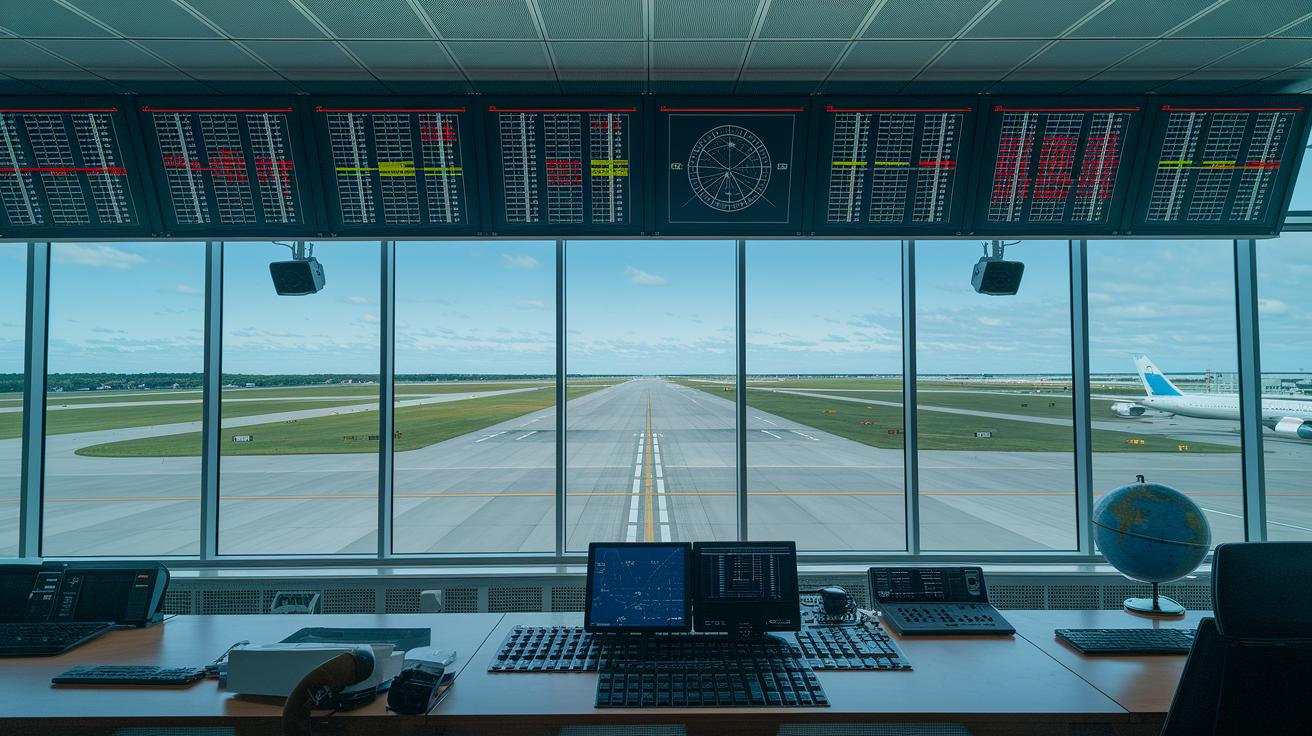
Accurate accident records help keep air travel safe and improve the industry. Agencies like the U.S. NTSB and U.K. AAIB report every accident. They gather information from pilots, witnesses, and onboard systems to complete their reports. The International Air Transport Association also collects details from its member airlines for its yearly safety report. These reports guide regulators and researchers alike.
The International Civil Aviation Organization sets global rules to classify and share accident data. They create common definitions and formats so that information from different regions can be compared. Independent databases, such as the Aviation Safety Network, check accident dates to ensure each record is correct and updated. This mix of sources makes the data more reliable.
Agencies constantly improve their methods as aviation technology advances. New tools help them review incidents more accurately. Together, these efforts ensure that yearly statistics and rules truly reflect the state of aviation safety. This careful approach builds trust among policymakers, airlines, and the public.
Final Words
In the action, the post walked us through a clear snapshot of yearly aviation mishaps. We saw annual accident statistics, notable events with tangible impacts, and key causes behind these events. It also touched on ongoing improvements in rules and safety measures, along with how data is collected and verified. By tracking aviation accidents by year, we witness how safety advancements continue to make flying a more secure experience. Stay informed and plan with confidence.
FAQ
Are airplane accidents increasing?
The question “Are airplane accidents increasing?” indicates that overall trends show fewer commercial accidents due to better safety measures. However, rates vary in private and military operations, making trends dependent on the aviation sector.
What year had the most aviation accidents?
The question “What year had the most aviation accidents?” finds that 2024 had over 5,000 documented accidents worldwide, driven largely by incidents in private and military operations, while commercial airline events remained very rare.
How many planes crash each year?
The question “How many planes crash each year?” is answered by noting that in 2022, commercial aviation saw 39 accidents, but overall figures tend to be much higher when including private and military operations, as seen in years like 2024.
Is flying safer than 10 years ago?
The question “Is flying safer than 10 years ago?” is addressed by noting that advances in pilot training, aircraft design, and navigation have led to a steady decline in accident and fatality rates in commercial aviation over the past decade.