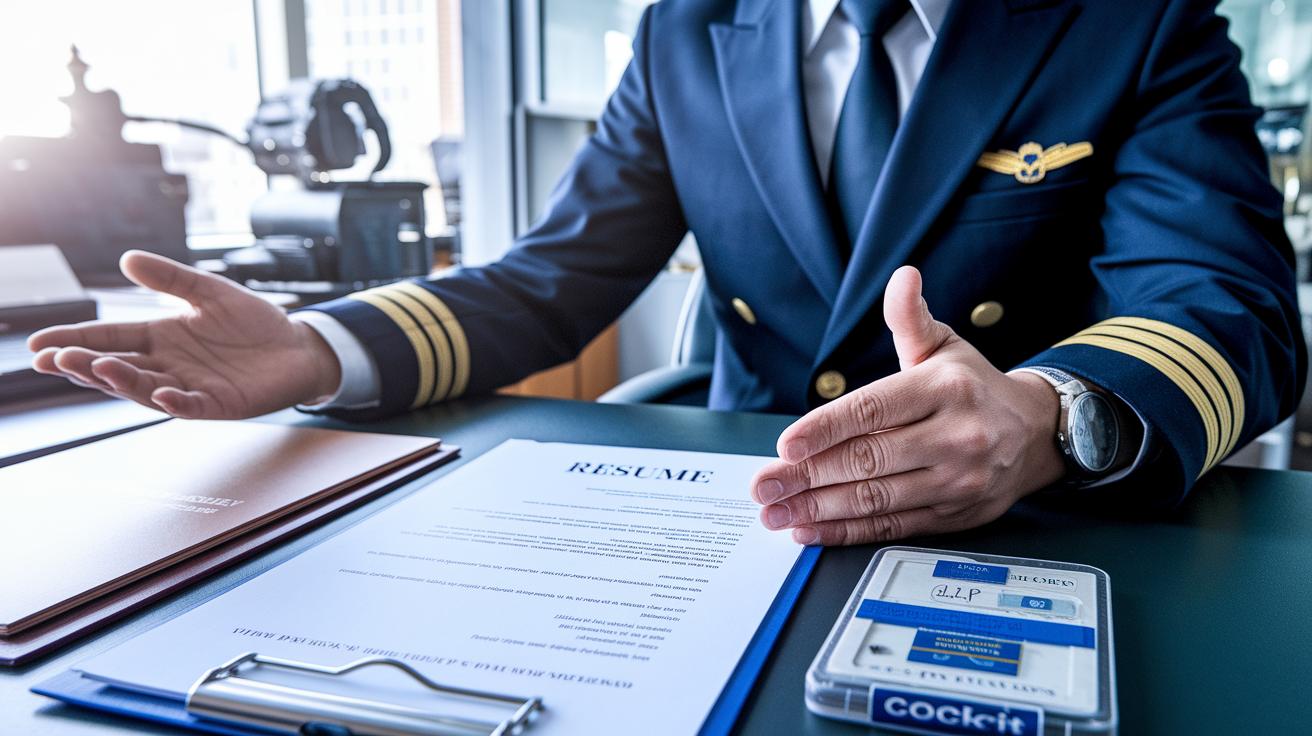
Could your interview prep change your aviation future? It takes more than just knowing how to fly. Smart strategies and a confident look matter too. Imagine each practice session as a chance to show you are ready. Every detail, from your outfit to steady eye contact, tells your story. This post shares practical tips to boost your confidence and help you stand out during aviation interviews. Follow these steps, and you could be on a smooth path to career success.
Key Strategies for Successful Aviation Interviews
Planning ahead is essential for nailing aviation interviews. Start preparing at least six months in advance so you can get a good grasp of industry trends and learn about the airline's specific operations. Breaking your study into one-on-one sessions of 45 to 60 minutes makes it easier to practice your answers and build your confidence.
Remember, first impressions count. About 70% of what you communicate comes from body language. What you wear, your grooming, and steady eye contact set the stage for a positive encounter. A professional look and clear body signals show the interviewer that you're ready and confident.
- Wear a plain, dark suit with a neutral tie and polished shoes.
- Keep your body language strong with steady eye contact and open gestures.
- Do your homework on the airline and understand its route network.
- Use the STAR method (Situation, Task, Action, Result) to organize your answers.
- Brush up on technical details like flight performance and weather.
- Practice in mock sessions to get comfortable with interview pressure.
- Wrap up your prep with a final review session to iron out any last-minute issues.
These steps help round out your preparation. Not only do they sharpen your responses, but they also prepare you to talk about technical details and personal experiences. With solid preparation, you'll walk into the interview feeling well-prepared and ready to impress with both your industry knowledge and professional demeanor.
Common Aviation Interview Questions and Effective Responses
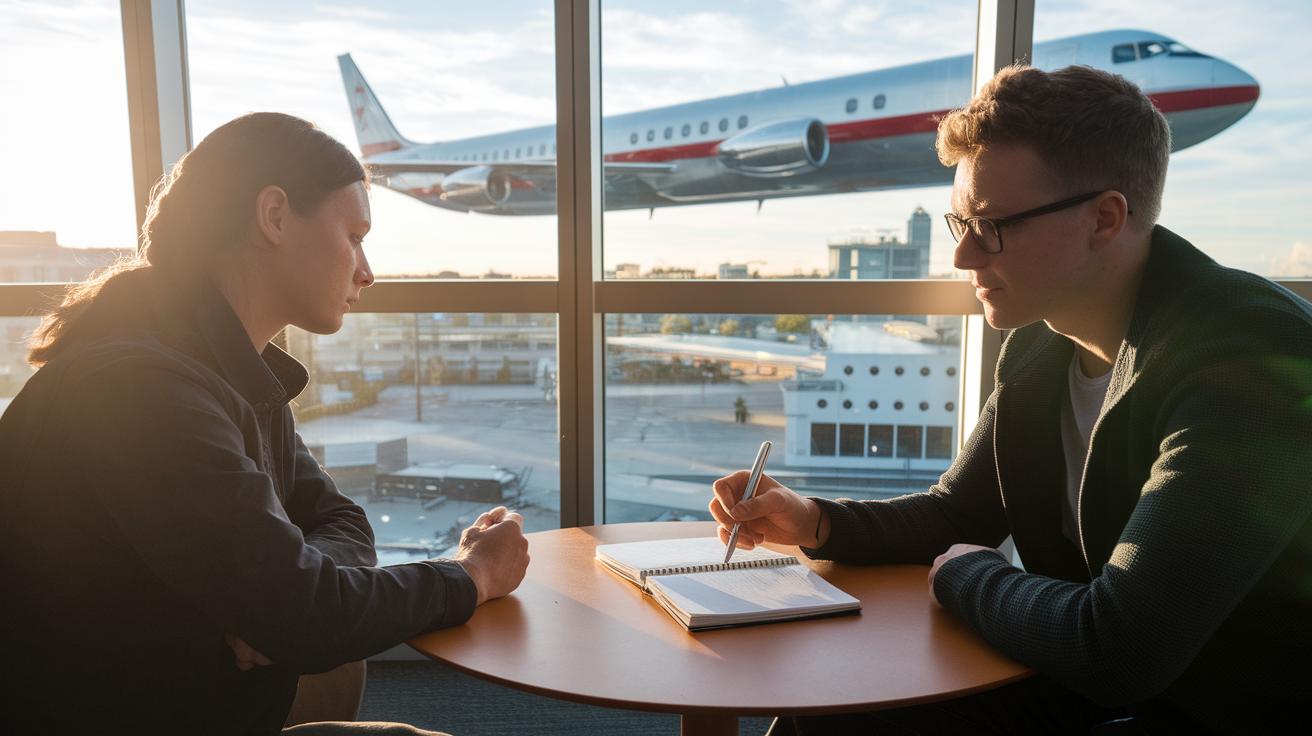
Being well-prepared is key for aviation interviews. Practicing your answers using the STAR method (Situation, Task, Action, Result) gives you a clear way to share your story and the results you achieved.
Tell Us About Yourself
Begin by sharing your background and career journey. Explain the situation that brought you to aviation, describe the task you faced, outline the actions you took to build your skills, and finish by highlighting the positive result that led you to where you are today.
Why work for this airline
Talk about what sparked your interest in the airline. Explain the task of aligning your values with theirs, describe the actions that show your relevant experience, and end with the result that proves you are a perfect fit for the company.
Describe a tough decision in the cockpit
Identify a challenging situation and the task you needed to complete. Walk through the actions you took to navigate the tough decision and conclude with a result that demonstrates your strong decision-making skills in the cockpit.
How to handle stress
Recall a moment when you faced stress and needed to stay focused. Describe the actions you took to ease the pressure and share the result that confirmed your ability to perform well under challenging conditions.
Captain breaking a regulation
Outline a situation where safety concerns were high and the task was to maintain strict protocol. Detail the actions you took to address the issue and wrap up with the result that reinforced your commitment to safety and adherence to regulations.
Mistakes made while flying
Mention a time when an error occurred during a flight. Explain the task of correcting the mistake, share the actions you took to learn from it, and conclude with the result that shows your growth and accountability.
Flight preparation routine
Describe your daily flight preparation. Talk about the task of ensuring every detail is checked, list the actions you follow before each flight, and highlight the result that boosts overall performance and safety.
Staying current in aviation
Discuss how the fast-changing aviation industry keeps you on your toes. Explain the task of staying informed and the actions you take, like regular training or reading updates, that lead to a result of keeping your skills sharp and up-to-date.
Conflict resolution
Share an example of dealing with a disagreement with a coworker. Explain the task of finding common ground, describe the actions you took to resolve the conflict, and finish with the result that helped build a better working environment.
Long-term career goals
Talk about the vision that drives your career. Share the situation that got you excited about your future, define the task of mapping out your path, list the actions you’ve taken so far, and present the result showing your alignment with future plans.
| Question | Key Response Tip |
|---|---|
| Tell Us About Yourself | Outline your background, goals, actions, and achievements using the STAR method. |
| Why work for this airline | Connect your experience to the airline’s values with a clear STAR example. |
| Describe a tough decision in the cockpit | Technical and Competency Assessments in Aviation Interviews