

Ever thought your loyalty card could do more than just stamp a punch? Digital loyalty programs are shaking things up. Imagine getting a friendly alert on your phone that saves you money and brings you back for more. These programs go past old-fashioned punch cards. They offer smart deals and real-time rewards that boost visits and help businesses thrive. With strong numbers to show for it, digital loyalty is a real win for both shoppers and companies.
Understanding Digital Loyalty Programs
Digital loyalty programs are smartphone apps and online systems that help you earn points, unlock discounts, and score exclusive offers without needing a paper punch card. They let you store and manage your rewards right on your phone, so you never have to worry about lost or damaged cards. Imagine receiving a push notification that reminds you to grab a discount, it works just like a virtual bonus card.
These online reward systems have grown quickly in recent years. Experts expect the overall customer loyalty market to hit $41.21 billion by 2032, with digital programs soaring to roughly $150 billion by 2033. Besides convenience, these platforms offer automated rewards, coupon management, and real-time analytics (tools that show how customers behave). They work smoothly with Apple Wallet and Google Pay, ensuring you get your offers immediately. In short, digital loyalty programs not only replace old paper methods but also give businesses smart insights to keep customers coming back.
Digital Loyalty Programs Ignite Customer Excitement
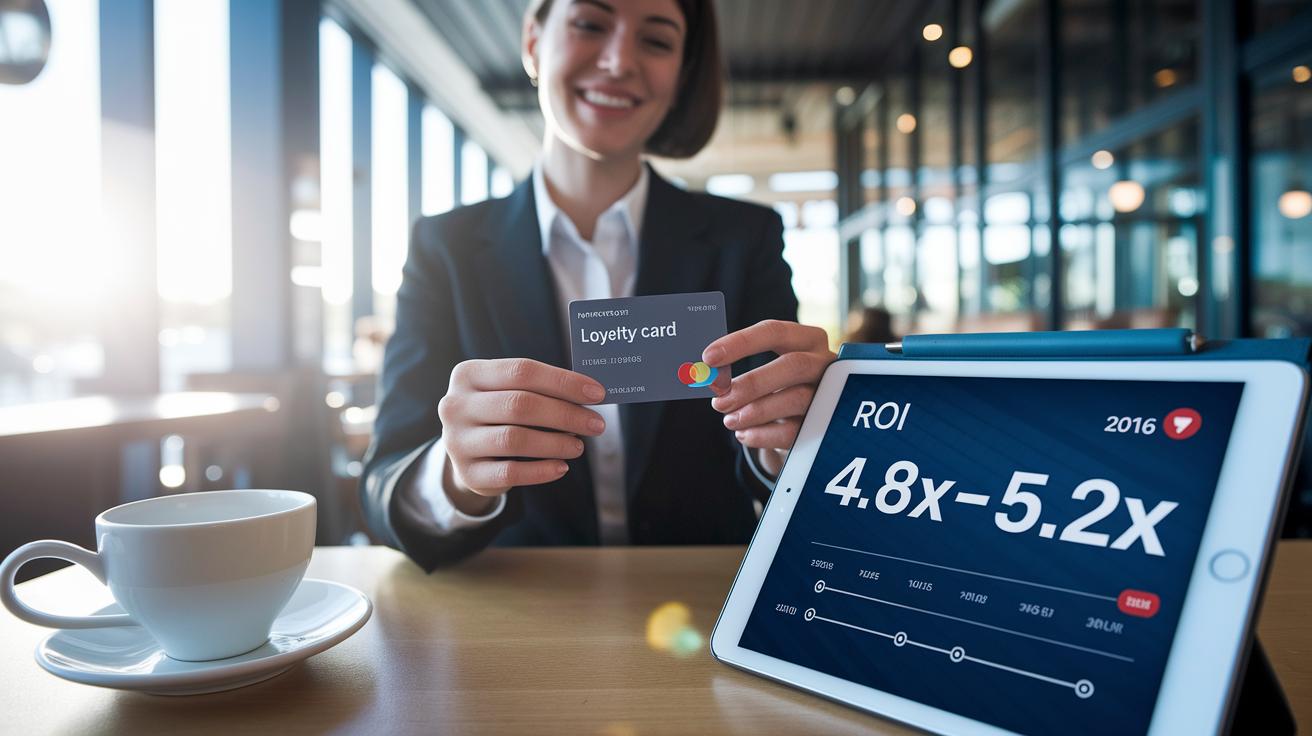
Digital loyalty programs bring clear benefits that help businesses grow and keep customers engaged. They provide real value with measurable results:
-
4.8× – 5.2× Average ROI
Companies enjoy nearly five times the return for every dollar invested. Imagine spending $1 and getting nearly $5 back. That extra boost turns your marketing budget into a powerful profit tool. -
Double the Customer Visits
Members using digital programs visit twice as often as non-members. For instance, a coffee shop might see loyal customers return more frequently when they receive quick updates about new offers. -
VIP Tiers Lead to 3.6× Higher Spending
Customers in special reward groups spend much more. One retailer found that VIP members bought around 3.6 times more products than regular shoppers. -
Mobile Wallet Passes Increase In-Store Redemptions by 116%
Push notifications on mobile wallets reach everyone and drive more store visits. Picture getting a double-points alert that makes you head straight to the shop, it works like magic. -
Referral Programs Boost Retention by 37% and Lifetime Spending by 25%
Happy customers sharing digital passes with friends can lift overall retention and spending. This approach turns occasional visits into regular trips, benefiting both the customer and the business.
Exploring Types of Digital Loyalty Programs
Digital loyalty programs come in many flavors that match different business plans and customer needs. They reward customers for their shopping habits and encourage them to come back again and again.
Point-Based Systems
Customers earn points for every dollar they spend. Think of systems like Ulta Beauty’s Ultamate Rewards. Each purchase adds up points that you can later trade for discounts or freebies. It clearly links spending to great rewards.
Cashback Programs
With cashback programs, you get a percentage of what you spend returned to you. This means you see money come right back into your pocket, lowering the overall cost of your purchases. It’s a direct way to save every time you shop.
Subscription-Based Perks
Some loyalty programs work on a subscription model. By paying a regular fee, customers unlock benefits like free shipping, early access to promotions, or special deals. This setup offers steady rewards for shoppers and provides businesses with a reliable income.
Tiered Cashback Systems
Tiered systems boost rewards as you spend more. As you climb to higher spending levels, you earn better returns. This model rewards loyal customers by giving them more value for their continuous support.
Game-Based Rewards
Game-based rewards add a playful twist to your shopping experience. They turn everyday purchases into fun challenges, encouraging you to complete simple tasks for extra rewards. This approach makes the routine act of buying something feel like a game with prizes waiting at the end.
Steps to Implement Digital Loyalty Programs

-
Define Your Goals
Start by deciding what matters most. Do you want to keep your current customers happy or attract new ones? Set clear goals like boosting repeat purchases or increasing visits during slow hours. For example, a neighborhood coffee shop might aim to double regular visits by offering extra rewards on quiet days. -
Choose a Tech Platform That Works with Your Systems
Pick a solution that meshes well with your current software. The best option connects with your customer management and point-of-sale tools, so you can easily track sales and reward points. It should also update automatically, letting you see customer patterns in real time. -
Make Signing Up Easy
Simplify joining by using a QR code or a mobile app registration. A quick and simple signup process helps customers start enjoying their rewards without delay. When joining feels effortless, you'll see more people signing up. -
Build a Rewards Program That Excites
Create a rewards system that really motivates your customers. You might give points for each purchase, offer escalating benefits with each tier, or provide a discount after a set number of visits. A fun and clear rewards structure encourages shoppers to keep coming back. -
Set Up Automatic Rewards and Notifications
Automate the rewards so they’re given out right after each purchase. Pair this with push notifications that let customers know when they’ve hit a milestone or a new offer is available. Automation cuts down on manual work and keeps customers engaged all the time. -
Promote Your Program and Keep Improving
Spread the word using email, social media, and in-store signs. Track how well your promotions are doing with regular data checks. Simple changes might take a day, while bigger updates could take a couple of weeks. Keep tweaking your approach to ensure it always meets your customers’ needs.
Technology Integrations in Digital Loyalty Programs
Digital loyalty programs work best when their tech systems talk to each other. They pair easily with wallets on your phone like Apple Wallet and Google Pay. Think of it this way: you might get a quick message that says, "Your discount is waiting, use your mobile pass now!" This kind of setup makes rewards always within reach.
Real-time syncing is another big win. Using API connections (which let different systems share information quickly) with CRM and POS systems, every purchase shows up immediately. This keeps customer data fresh and lets businesses track rewards and spending as it happens.
There are extra tools built in too, like coupon management, table bookings, and pre-paid options for online shopping. These features let you use rewards whether you’re online or in person, blending digital perks with real-world benefits.
On top of that, connecting with maps and review sites adds even more value. By linking location data and customer feedback, users feel confident that every part of the loyalty program is in sync. This full-circle approach helps you make the most of every reward.
Measuring Success in Digital Loyalty Programs

Companies track loyal customers using real-time numbers that help them tweak programs on the fly. For example, ROI (return on investment) shows that digital loyalty programs usually earn between 4.8 and 5.2 times what they cost. This check helps businesses see if they are making more money than they spend.
Key indicators include how often customers buy again, customer lifetime value (CLV, the total amount a customer spends over time), and a participation rate of 15% to 30%. High repeat purchase rates show that customers believe in the rewards, while a rising CLV means they are staying longer.
A/B testing (running two versions to see which one works better) helps find the best offers or reward plans. These simple tests allow companies to improve their campaigns right away. In addition, checking the average spend, how customers move between reward tiers, and referral conversions gives extra insight into customer behavior.
When companies use strong analytics, they can keep fine-tuning their campaigns so that every update boosts engagement and improves retention. This smart, data-driven approach turns basic loyalty rewards into evolving programs that keep customers excited and committed.
Case Studies of Digital Loyalty Program Success
Atari switched from old, outdated loyalty techniques to a modern digital system. This change boosted their participation ten times over, and their Customer Lifetime Value tripled in just seven months. Think of it like turning a classic arcade machine into a cutting-edge game. Atari’s example shows that digital loyalty programs can turn casual users into regular, enthusiastic customers.
HexClad saw amazing results quickly. In only 90 days, they generated $450K in referral revenue and achieved a 92× return on investment. By using digital loyalty tools to reward referrals, HexClad turned curious shoppers into dedicated fans. This case is a clear example of how well-planned rewards and automatic benefits can drive serious growth.
Kitsch built a loyalty program that became a major revenue driver, bringing in $5.8M that they could directly link to their loyalty efforts. With 1.2M customers signing up, their approach clearly hit the mark. Kitsch’s success shows that a loyalty program that’s fun and easy to use can really boost customer numbers and long-term profits.
At OSEA Malibu, a digital upgrade led to a 77% rate of repeat purchases and an average order value of $167. These strong figures point to a rewards system that truly works. Their case proves that digital loyalty tools not only encourage more visits but also help customers spend more each time.
Portland Leather Goods managed to drive 17.4% of its total revenue through its loyalty program. By blending rewards into the shopping experience, the brand turned loyalty into a direct boost for their sales. This study underlines how digital loyalty systems can clearly enhance customer retention and drive steady spending.
Future Trends in Digital Loyalty Programs
Digital loyalty programs are getting smarter with new tech that changes how you earn and use rewards. Big improvements driven by AI (computer systems that learn and get better over time) now match offers to your shopping style in real time, so the rewards feel personal and keep you coming back.
Blockchain is also shaking things up. This secure system acts like a digital ledger where every reward is tracked. That extra layer of security helps build trust because you know every point earned or used can be verified.
Key trends include:
- Rewards you can earn and spend whether you're in a store, shopping online, or on your mobile wallet.
- Game-like challenges that make collecting points fun and interactive.
- Easy solutions for those without smartphones, like email passes and simple web portals, so everyone can join in.
These new tools are built to meet what customers expect today. As businesses adopt these trends, they can offer offers that feel tailor-made, track behavior accurately, and provide a smooth rewards experience no matter how you shop.
Final Words
In the action, we examined digital loyalty programs and their impact on travel rewards. We broke down their core benefits, key types, and effective steps to implement them. We also reviewed how technology integrations and data analysis drive better ROI and customer engagement. Real-life case studies highlighted tangible gains and smart rebooking strategies. These insights help you cut frustration and boost travel budgets. Embracing digital loyalty programs can make planning smoother and more rewarding, paving the way for smarter travel decisions. Enjoy the improvements on your next trip!
FAQ
What are free digital loyalty programs and free digital loyalty cards?
The free digital loyalty programs and loyalty card apps offer cost-free, mobile-based tools for businesses to track rewards and customer activity without the need for paper punch cards.
What are digital loyalty programs for students?
The digital loyalty programs for students provide reward systems designed for affordability and ease, using mobile solutions that allow students to easily accumulate points and receive discounts.
What are the best digital loyalty programs?
The best digital loyalty programs feature simple mobile interfaces, automated reward tracking, real-time updates, and integration with services like Apple Wallet and Google Pay to enhance customer value.
What are digital loyalty programs for small businesses?
The digital loyalty programs for small businesses deliver cost-effective, integrated solutions that help local companies boost customer retention and monitor rewards through easy-to-use digital platforms.