

Ever wonder if one small mistake could throw your day off? In busy logistics, even a tiny error can disrupt the whole schedule. Teams use route trend checks to uncover patterns that help them adjust stops and avoid costly delays. Smart data checks and real‑time updates can also cut fuel use and keep deliveries on time. In short, spotting trends and quickly fixing errors not only solves problems fast but also makes the whole system work better.
Fundamentals of Route Trend Analysis for Logistics Optimization
Route trend analysis looks at how travel routes work in real life. It helps teams spot ways to improve efficiency by planning the order, timing, and vehicle use for multiple stops. Even a small error, like an incorrect address or sudden traffic change, can throw off a well-planned route. Did you know a single wrong address can upset an entire day’s schedule? By watching trends, teams can see patterns in delays and waiting times, leading to smoother and smarter operations.
Good, accurate data is the heart of any effective plan. Logistics teams need reliable details like correct addresses, up-to-date driver availability, vehicle capacity, and service times to build solid routes. If information is missing or wrong, it can lead to more fuel use and late deliveries. When every piece of data is checked and updated regularly, teams can adjust quickly. This proactive strategy can save fuel by 15–20% and make customers a lot happier.
Keeping track of trends over time is essential to fixing problems early. By monitoring travel times and noticing changes during busy hours, teams can tweak schedules on the fly. This constant review builds a flexible system that can handle surprises and challenges, ultimately making multi-stop operations more dependable and cost-effective.
Data Collection and Preparation for Route Trend Analysis
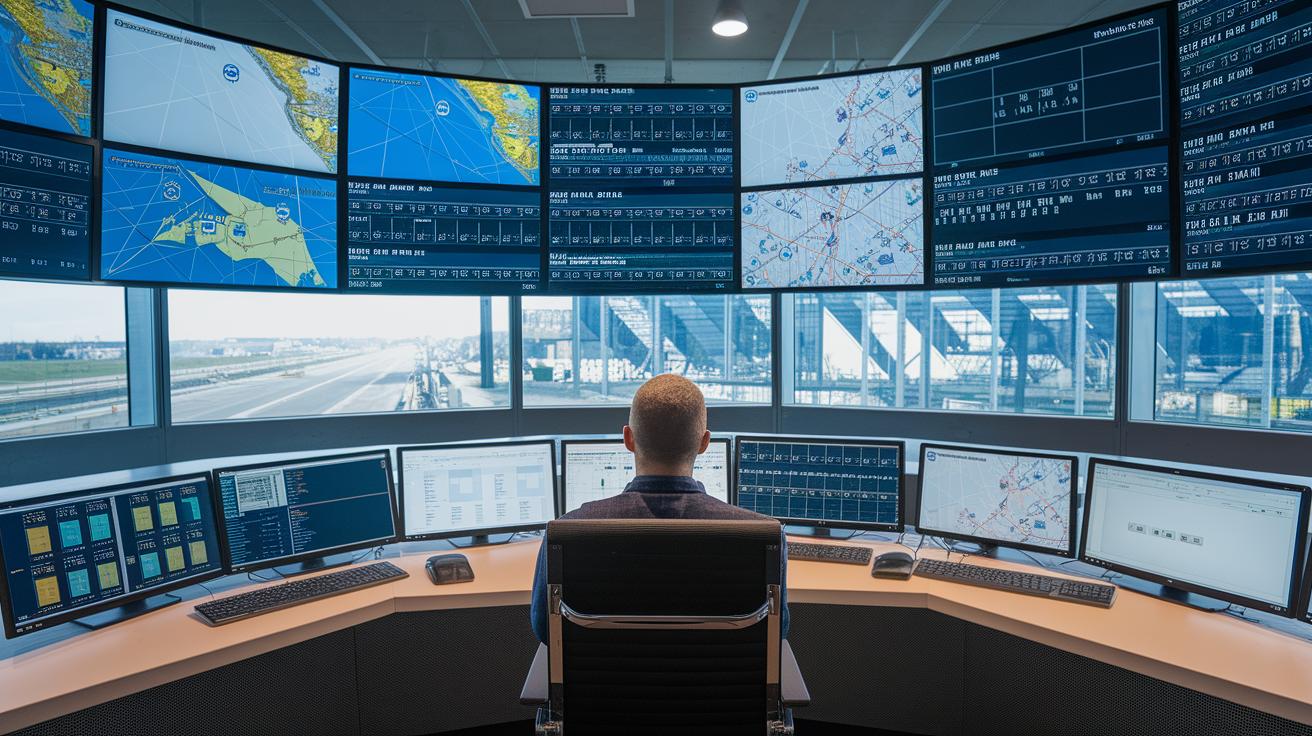
Good transportation data is key to smart route trend analysis. It starts with gathering detailed information on every part of multi-stop operations. Reliable data helps prevent mistakes like wrong addresses or missed service times and sets the stage for quick adjustments to real-time changes. With solid prep, teams can use modern analytics and big data tools to improve logistics.
- Fleet telematics and vehicle sensor feeds
- GPS location and time-stamp records
- Historical delivery and dispatch logs
- Public traffic and congestion data feeds
- Weather and road-condition APIs
- Data cleansing (address checking and time standardization)
Once you have the data, the next step is to prepare it for analysis. This means checking every detail, filling in missing service times, and standardizing time formats. By merging these different sources into one platform, software can work smoothly. This careful process ensures that both statistical reviews and live dispatch management are based on quality, consistent information, which cuts delays and helps save fuel.
Analytical Methods and Trend Evaluation Techniques
Route trend analysis uses numbers and smart methods to help improve travel routes. Teams can spot unusual events, predict busy times, and change routes on the fly when there are delays or schedule shifts. Using fine-tuned models allows operations to keep getting better, cutting wait times and saving on fuel.
Time Series Analysis
Time series analysis breaks down past route data into clear parts: trends, seasonal changes, and random ups and downs. This method uses simple tools like moving averages, which smooth out short-term bumps to show longer trends. More advanced tools like ARIMA models (which predict future trends based on past data) help teams see what might come next. For instance, a moving average could reveal that delays happen most during certain months, so teams know to adjust schedules ahead of time.
Machine Learning and Predictive Models
Machine learning tools such as regression, clustering, and neural networks provide strong forecasts for how routes will perform. These techniques study old data to predict delays and changes in demand. Models are updated continuously to keep predictions sharp. Neural networks, for example, learn complex patterns that simpler methods might miss. This means they can warn of route changes caused by surprises like traffic slowdowns early on. With these tools, route analysis moves from just handling problems to actively anticipating them, enabling real-time fixes.
Overall, blending time series analysis with machine learning creates a flexible system. This setup supports quick, smart decisions that keep travel operations efficient and ready for whatever comes next.
Visual Analytics and Mapping Strategies in Route Trend Analysis

Route trend analysis uses visual tools to break down large sets of transportation data. Teams use mapping software, flow maps, and interactive dashboards to quickly see trends and find trouble spots. They can spot issues like unexpected delays or rising fuel use on a route with simple visuals. Key numbers such as average travel time, on-time delivery rates, fuel use per route, and deviation counts offer a quick snapshot of performance. For instance, a strong visual dashboard can reduce route change times by almost 30%, keeping operations running smoother.
| Visualization Method | Primary Use Case | Example Tools |
|---|---|---|
| GIS Mapping | Spatial route analysis | ArcGIS, QGIS |
| Flow Maps | Bottleneck detection | Flowmap.blue, Mapbox |
| Interactive Dashboards | Real‑time performance tracking | Tableau, Power BI |
Using mapping strategies along with interactive dashboards blends historical trends with real‑time updates. This method highlights parts of a route with high delays or extra fuel use, prompting quick fixes. The clear layout helps teams adjust schedules before small issues grow into bigger problems. By keeping an eye on these metrics and adding fresh data, companies run more efficiently and cut costs. In short, visual analytics turns complex data into clear, actionable steps for smoother route management.
Case Studies Demonstrating Route Trend Analysis Impact
In Southeast Asia, one leading delivery company revamped its system with an AI optimization platform. They used data from fleet sensors, live traffic updates, and historical logs to fine-tune routes and schedules. This change boosted fuel savings by 15% and cut late deliveries by 20%. When a surge in traffic was spotted, the system quickly rearranged delivery groups to turn potential delays into wins.
The new approach also helped the company closely track performance across its network. Machine learning (software that learns from data) continuously analyzed real-time inputs to find better routes. This proactive method cut waste and let drivers adjust easily to shifting conditions. In one case, the system even reshuffled stops to avoid bottlenecks, proving how real-time insights can improve daily operations.
Elsewhere, a regional logistics firm in India focused on tightening its routes with real-time dispatch management and predictive alerts. By merging live traffic updates with past delivery data, the firm improved its performance by 12%. This system helped them spot delays before they happened and quickly guide drivers to faster alternatives. Instant notifications kept each vehicle on the best route possible.
By mastering dynamic route adjustments, the Indian firm gained clearer insights into commuter patterns and freight movement. Their setup combined route forecasting with swift dispatch responses, resulting in smoother operations. Early alerts allowed them to react quickly to traffic changes, ensuring a more reliable delivery schedule. These clear, measurable results show how data-driven route analysis can boost logistics efficiency.
Best Practices and Emerging Patterns in Route Trend Analysis

Teams boost logistics by using careful, live-check methods and smart monitoring. They mix weather updates, traffic trends, and other key data to change routes right away. For instance, one test showed that when heavy rain was forecasted, the system quickly redirected vehicles to cut delays. Teams also match vehicle abilities with delivery needs to keep trips efficient. Tools that show clear arrival times help reduce customer calls.
New trends show that smart data is now part of every step. Teams use easy-to-read numbers to measure key points and make steady improvements. Early tests reveal that these live-check tools not only smooth out operations but also lower fuel use. Models crunch huge data fast, offering clear numbers to adjust loads and schedule trips. With route optimization set to grow past $10 billion by 2027, companies are investing in new software that cuts costs and boosts customer happiness. These hands-on practices are proving essential in today's fast-changing logistics world.
Final Words
In the action, we've reviewed the key ideas behind route trend analysis and its role in logistics optimization. We covered planning fundamentals, data collection and preparation, analytical methods, and visual mapping. Real-world case studies add context to these insights.
This guide is designed to help you plan smarter, rebook with confidence, and save both time and money. Embrace these insights as you adjust your routes and keep your travel decisions on track.
FAQ
What are Breeding Bird Survey routes, BBS raw data, and the North American Breeding Bird Survey dataset?
The Breeding Bird Survey routes are fixed paths for monitoring bird species. BBS raw data consists of initial observation records, while the North American BBS dataset compiles these records to track bird population trends over time.
What are the three types of trend analysis?
The three types of trend analysis include statistical review of data, time series analysis that breaks down historical trends, and predictive modeling using machine learning to forecast future changes.
What is a route analysis?
Route analysis is a review method that examines multi-stop logistics, focusing on data like order timing, vehicle assignment, and delivery paths to improve transportation efficiency.
What is the best method for trend analysis?
The best method for trend analysis combines statistical techniques, time series analysis, and machine learning models to identify patterns, detect anomalies, and predict upcoming shifts in data.
What is the trend analysis process?
The trend analysis process starts with data collection and cleaning, followed by applying mathematical models to extract patterns and finally reviewing the results to optimize logistics and route efficiency.