

Ever wonder how early air crashes helped build today’s safety rules? In the early days of US commercial aviation, hard lessons from tragic events led to better pilot training, stricter aircraft checks, and improved maintenance. Each incident pushed the industry to rethink and upgrade safety measures. By looking at these seven key events, we see how tough times paved the way for the stronger protocols that protect every passenger today.
Historical Trends in US Commercial Aviation Accidents
Since the 1980s, flying in the United States has become a lot safer. Strict rules and new tech have helped cut down on accidents and deaths. Pilots now receive more training and planes get better care, which means far fewer problems. For instance, air travel now experiences about 0.01 deaths per 100 million miles, compared to 0.04 for train travel. In other words, today's air travel isn’t just fast, it’s built on top-notch safety measures.
Recent figures show this safety trend is still going strong. In 2023, the industry recorded the fewest accidents and fatalities ever, thanks to years of careful, data-based improvements. Detailed safety records show that most parts of a flight are very secure, though some areas, like takeoffs and landings, still need extra care. Regular performance reviews and studies of survival rates help the industry learn from past incidents.
| Mode | Death Rate per 100 Million Miles |
|---|---|
| Air Travel | 0.01 |
| Train Travel | 0.04 |
Nearly half of all aviation incidents occur during takeoff and landing. These stages are the most complex and call for careful coordination and strict safety checks to keep the overall trend of fewer accidents moving forward.
Crash Investigations and NTSB Case Studies in US Commercial Aviation Accidents
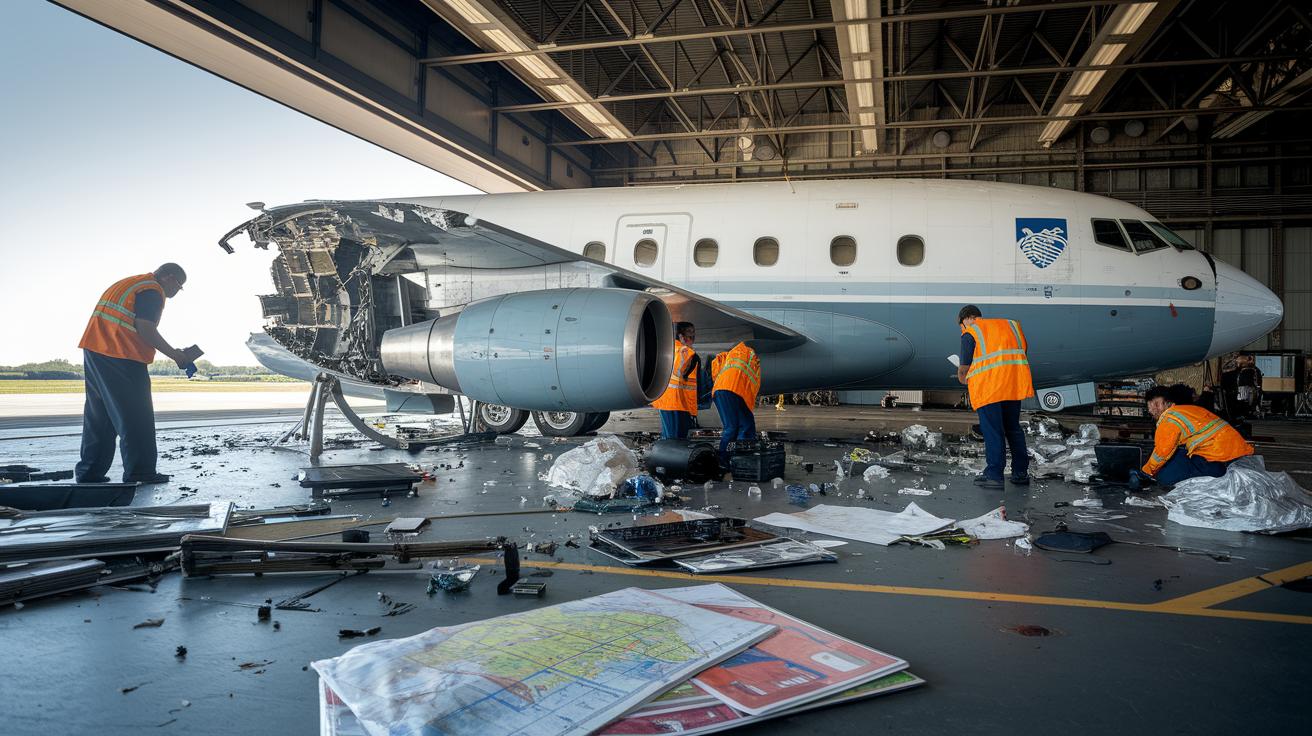
The National Transportation Safety Board (NTSB) leads the way in figuring out why US commercial plane crashes happen. They work to make flying safer by doing thorough investigations that usually take about 12 months. They collect evidence, study data from flight recorders, and interview key people to get a clear picture of what went wrong. Their findings not only answer important questions about these tragic events but also help improve safety standards across the industry. To learn more about their work, check out these NTSB aviation accident reports.
- Wreckage mapping: They record where debris is found and how it looks to rebuild the chain of events.
- Data recorder extraction: They recover information from the Flight Data Recorder (FDR) and Cockpit Voice Recorder (CVR) that capture both technical details and cockpit conversations.
- Human-factor interviews: They talk with survivors, witnesses, and experts to learn what decisions were made before the accident.
- Engineering analysis: They examine the physical parts of the plane to spot any technical failures or design issues.
- Final recommendations: They suggest changes to procedures or equipment to prevent similar events in the future.
In cases like American Airlines Flight 191, where an engine pylon separated in 1979, and TWA Flight 800, where a fuel tank exploded in 1996, data from FDR and CVR was key. These recordings helped officials spot weaknesses and led to new safety rules. By combining detailed engineering reviews with interviews, the NTSB has played a vital role in making air travel safer for everyone.
Human Factors and Pilot Error in US Commercial Aviation Accidents
Air mishaps often boil down to human errors. For example, in 1978, PSA Flight 182 was involved in a mid-air collision partly because of a mix-up with air traffic control. This shows that clear, steady communication is a must, especially when things get tough.
Take Alaska Airlines Flight 2059, where an off-duty pilot strayed from the expected rules. Even skilled pilots can make mistakes when they are tired or too confident. It reminds us that personal judgment plays a big role in keeping flights safe.
Many accident reports point out that poor teamwork and insufficient training often lead to errors. When crew members don't talk clearly, small mistakes can quickly turn into big problems inside the cockpit.
To fix these issues, the industry is updating training programs and checking performance more closely. By sharpening communication skills and focusing on human performance, pilots and crew members are getting better prepared to handle emergencies and avoid accidents.
Mechanical Failures in US Commercial Aviation Accidents
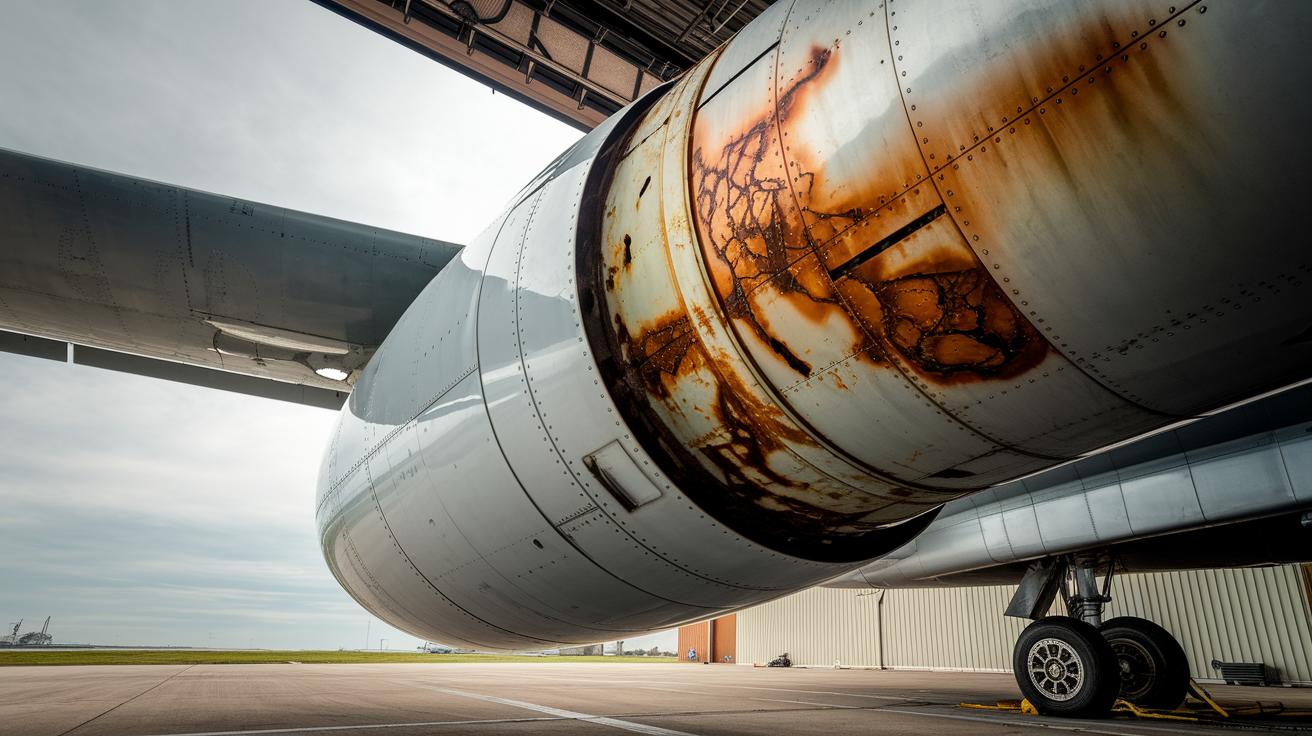
American Airlines Flight 191 is a clear warning about metal fatigue. On May 25, 1979, the left engine pylon broke off because of metal fatigue in its attachment. This accident showed that even a small design flaw can lead to a major disaster. It reminds us that a tiny metal part, when weakened, can cause a loss of control that forces safety protocols to change.
TWA Flight 800 is another case where a spark led to tragedy. On July 17, 1996, a short-circuit in the wiring combined with a vapor ignition inside the fuel tank triggered a powerful explosion. This incident made it clear that even well-built systems can hide risks when electrical faults meet volatile fuel. Following this event, the industry took a closer look at wiring standards and fuel tank safety.
Pan Am Flight 759 highlights the danger of unexpected weather. In 1972, a microburst (a sudden, strong downdraft of wind, especially in a thunderstorm) led to a fatal crash. Early wind-shear detection systems did not warn pilots in time about sudden wind shifts during takeoff and landing. This loss pushed for better technology and upgraded safety measures to handle adverse weather.
Weather and Environmental Hazards in US Commercial Aviation Accidents
Wind shear and turbulence are big challenges for pilots, especially during important takeoff and landing times. At Dallas/Fort Worth International Airport (DFW), Delta Flight 191 crashed after a sudden microburst (a short burst of strong wind) hit the plane on its final approach. In New Orleans, Pan Am Flight 759 lost lift because a microburst struck during takeoff. These cases show how sudden, strong downdrafts and quick wind shifts can make it hard for a plane to stay in the air. American Airlines Flight 587 also ran into dangerous wake turbulence (air turbulence left behind a bigger aircraft).
Environmental risks are not limited to wind problems. Bird strikes are another hazard that can damage engines. When a bird hits an aircraft, it may affect engine power or briefly disturb the flight, forcing pilots to act fast.
Runway excursions are a serious concern too. When heavy rain, strong crosswinds, or icy conditions mix with slick runways, planes can slide off during takeoff or landing. This can lead to overruns or even structural damage. Studies show that bad weather, along with tricky runway designs and maintenance issues, greatly increases the risk of these dangerous events.
Regulatory Reforms after US Commercial Aviation Accidents
The FAA makes rules and updates safety steps when accidents reveal hidden dangers. When a major crash happens, they act fast by tightening guidelines and setting new technical standards. They also change how inspections are done and update equipment checks to catch problems early.
After Flight 191, the FAA required a redesign of engine pylon attachments to stop metal fatigue. They added more frequent checks to spot wear and tear before it becomes a risk. Similarly, following the TWA Flight 800 accident, the FAA introduced a fuel-tank inerting rule to lessen the chance of fuel vapors igniting. These updates have greatly improved equipment safety.
The FAA also looked at how weather affects flights. They now require wind-shear detection systems after issues were seen with Flight 191 and Pan Am Flight 759. These systems alert pilots to sudden changes in wind speed or direction, giving them crucial extra seconds to adjust the flight path. This technology is especially important during takeoff and landing.
In addition to hardware fixes, major improvements have been made in pilot training. In the late 1980s, enhanced crew-resource management programs were introduced. These courses improve communication and decision-making, helping pilots and crew handle unexpected situations better. The lessons learned from past crashes now help shape a safer future for US commercial aviation.
Statistical Insights and Safety Improvements in US Commercial Aviation Accidents
Airlines now use smart safety tools to spot and fix problems before they get real. They gather info from sensors, flight records, and simulation sessions to focus on busy times like takeoff and landing. For example, one airline adjusted its training by using detailed sensor readings, which led to fewer near-misses during these busy periods.
Data-driven checks help airlines invest wisely in safety upgrades. Several airlines now use simulation platforms to dig into patterns that might lead to incidents. One carrier even changed its crew training after analytics revealed little trends that could cause issues during descent. They then updated their simulation tech and refined their procedures.
New tech like real-time monitoring and machine learning keeps an eye on flight data all the time. These tools let operators fix small problems before they turn big. A surprising fact: Airlines using real-time analytics have seen minor incidents drop by up to 20% during critical phases.
Final Words
In the action, our review of us commercial aviation accidents painted a clear picture of progress. We covered historical trends, detailed crash investigations, human decision-making, and mechanical issues. Data showed how weather challenges and takeoff/landing risks have driven industry reforms. Rigorous regulatory changes and improved analytics have made flying even safer. Each section shed light on how past events guide smarter choices today. The trend toward greater safety leaves a positive mark on the future of air travel.
FAQ
What are U.S. commercial plane crashes per year?
The U.S. commercial aviation accident rate has steadily decreased since the 1980s. Today, accidents are rare, with 2023 recording historic low numbers that highlight strong safety performance.
What plane crash in America happened today?
The term “plane crash today” refers to real‑time news. For the most accurate and recent details on any such incident, check verified news sources since aviation accidents are very rare.
When was the last U.S. commercial plane crash?
The last major commercial crash in the United States is documented in official records. Updated NTSB reports provide the latest details, underscoring how infrequent such events have become.
How can I access NTSB aviation accident reports by month and year?
NTSB accident reports are organized both by month and by year. These detailed records are available online and assist researchers and the public in tracking aviation safety trends over time.
What are the top ten worst plane crashes in U.S. history?
The top ten worst U.S. plane crashes are listed in aviation safety databases and include events that have led to major safety reforms. These cases offer insight into incidents that reshaped industry practices.
How many plane crashes occur this week?
Weekly plane crash numbers in U.S. commercial aviation are extremely low. With continuous improvements in safety, such incidents are exceptionally rare within any given week.
What commercial airline has had the most accidents?
Historical records show that accident numbers vary with airline exposure and fleet size. No single U.S. carrier is consistently at the top, largely due to ongoing safety improvements across the industry.
Are there more commercial plane accidents now?
Commercial plane accidents have declined over the decades. Enhanced technology, stricter regulations, and better pilot training have contributed to a steady drop in accident rates compared to past years.
Is flying safer now than 20 years ago?
Aviation today is much safer than it was 20 years ago. Modern safety measures, technological advances, and industry reforms have significantly reduced accident rates and boosted overall flight safety.