

Have you ever wondered if your seat screen could be better than your home TV? Big names like Panasonic Avionics and Collins Aerospace have stepped up their game by following strict safety rules while delivering a cozy, home-like feel.
In this article, we look at inflight systems by comparing screen size, picture quality, and how easy it is to use the content. We'll explain why airlines choose to upgrade these screens and how they help keep you entertained during your flight.
Stick around to see which inflight system might change your next travel experience.
Comprehensive Overview of Inflight Entertainment Systems
Top inflight entertainment systems are changing to keep up with today’s traveler. Experts compare both the hardware and software that power these cabin media systems. Big names like Panasonic Avionics, Collins Aerospace, and Rosen Aviation lead the market. They mix digital know-how with special aviation skills to deliver strong, safe entertainment options. These systems meet strict safety rules while giving you a user experience that feels as good as watching your favorite shows at home. They offer fun media choices for both commercial airlines and private jets.
Each provider shows off unique features. For example, Emirates’ ICE system offers 2,186 on-demand channels, 1,230 music channels, live TV, free Wi-Fi, and support for 14 languages. United Airlines is updating its Boeing 787 and A321XLR fleets with Panasonic Avionics’ Astrova OLED 4K screens. The first class will have 13-inch monitors, while economy gets 10-inch screens. Collins Aerospace recently revealed its MAYA Cabin Suite concept at AIX 2024. It features a 45-inch curved display in business class. Meanwhile, Rosen Aviation stunned many with a 97-inch OLED system for private jets.
Later sections will break down details like screen size, resolution, and connectivity features. You will also read an in-depth review of content libraries and how easy the systems are to use. The analysis covers system reliability, maintenance, and costs as well. This guide helps airlines and travelers understand the latest in inflight entertainment.
Side-by-Side Technical Specifications for Inflight Entertainment Hardware

Inflight entertainment screens must meet strict safety rules that go far beyond what home TVs face. These displays not only follow tough regulations but also run on special in-air software developed over many years. Top airlines like Japan Airlines and All Nippon Airways have set high standards with large 43″ screens in first class. Every screen, whether in economy, business, or private cabins, is tested for clear resolution and rugged performance in the challenging environment of an aircraft.
Airlines carefully examine each piece of onboard hardware. They check that seatback screens deliver a smooth, clear picture even at high altitudes. The process includes testing display resolution and making sure the hardware can handle constant use under tough conditions.
Below is a side-by-side comparison of four leading cabin video systems, showing key features and performance details.
| System | Vendor | Class Installed | Screen Size | Resolution |
|---|---|---|---|---|
| Emirates ICE | Emirates | All Cabins | 15-43″ | HD to 4K |
| Panasonic Astrova | Panasonic Avionics | First Class & Economy | 13″ (First Class) / 10″ (Economy) | 4K OLED |
| Collins MAYA Concept | Collins Aerospace | Business Class | 45″ Curved | 4K |
| Rosen Aviation OLED | Rosen Aviation | Private Jet | 97″ | 4K OLED |
Inflight Entertainment System Comparison: Exciting Options
Airlines now offer a wide selection of entertainment that suits every taste. For instance, Emirates ICE provides over 2,000 on-demand titles, 1,230 music channels, and live TV. Singapore Airlines organizes its hundreds of movies and TV shows into neat playlists, while Qatar Airways uses its Oryx One system to deliver thousands of movies, TV series, and music albums. JetBlue adds more variety by mixing in content from DIRECTV, SiriusXM, and Peacock. Delta features Delta Studio across its whole fleet, and Air Canada makes sure even its smaller planes have solid seatback entertainment. Here's an interesting fact: one traveler on a long cross-country flight was amazed at how smooth it was to switch from a blockbuster movie to a range of music channels on one simple screen.
Private jets take entertainment even further by letting passengers tailor their experience. In these settings, you can stream your own media, watch live sports, or even use VR headsets to dive into a virtual world. This setup lets travelers control the content, the lighting, and even the temperature, so every flight feels custom-made. Imagine switching quickly from a live sports game to a VR tour of a distant city, turning the cabin into your very own digital lounge.
Connectivity Performance and Streaming Reliability in Flight
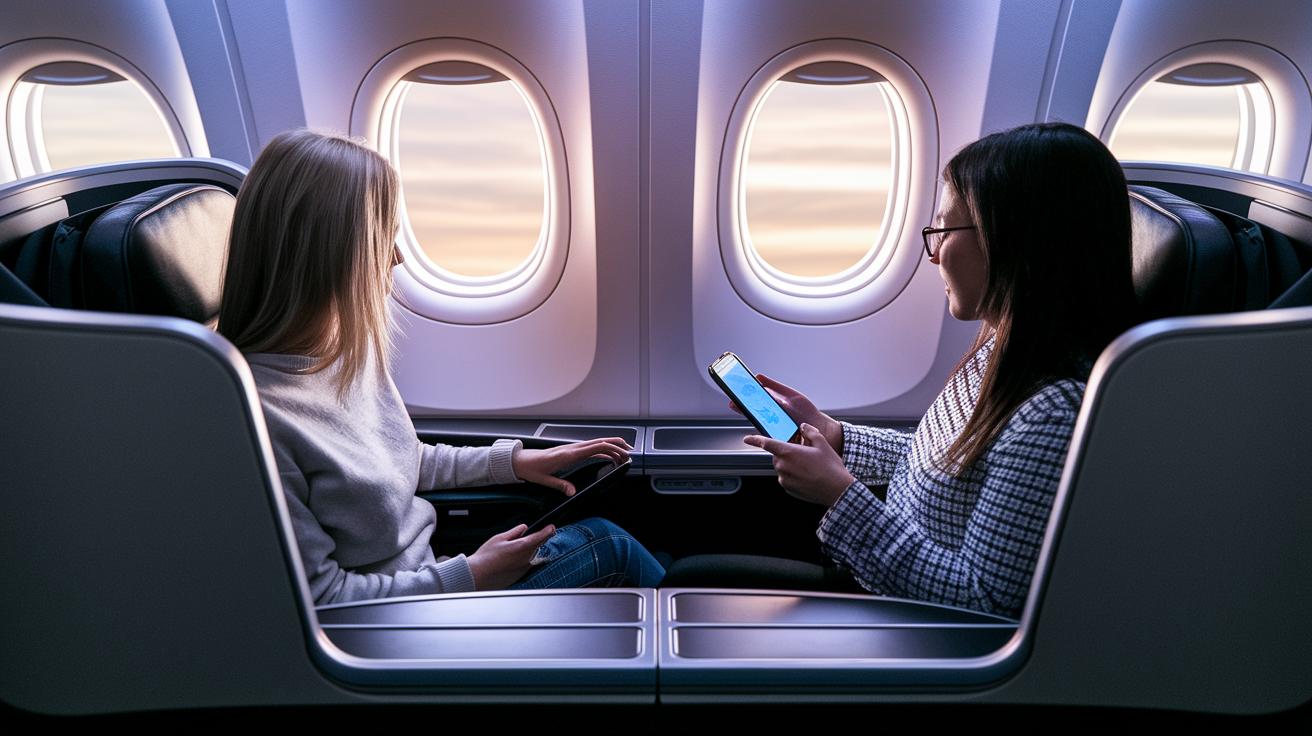
Airlines rely on two main ways to keep you connected. Most commercial flights use shared networks that many passengers tap into, while private jets often use dedicated satellite links. Shared Wi-Fi, like what you might find in first-class cabins or on Emirates ICE, usually gives you free basic access for checking emails or browsing. But when lots of folks log on at the same time, speeds can drop to about 5–10 Mbps per person during busy periods. On the other hand, private jets have their own satellite links that deliver smooth HD streaming and clear video calls, even when flying over remote areas.
- Shared Wi-Fi: Affordable but can get crowded
- Dedicated satellite link: Very reliable but costs more
- Free vs. paid tiers: Basic browsing versus full-speed streaming
- Messaging-only vs. full internet access: Limited services versus complete online use
Airlines are trying to find the right balance between keeping costs low and giving passengers a better streaming experience. Knowing these differences can help you set your expectations. If you're on a commercial flight, you might want to stick to light browsing or messaging. Meanwhile, private jet travelers can enjoy a steady, fast connection for all their online needs. By offering different tiers and updating their technology to cut down on delays, airlines can make sure that everyone gets a more reliable in-flight internet experience.
User Interface Design and Usability Metrics for Inflight Entertainment
Today, in-flight systems are more than just screens. They are well-crafted portals that let passengers tap into a wide range of entertainment. Take Emirates ICE as an example. This system offers a menu in 14 languages and organizes content by categories so travelers can quickly find what they need. One frequent flyer even recalled how the screen automatically switched languages based on his destination, making his long-haul flight smoother. This shows that thoughtful design matters, even at 35,000 feet.
Usability tests show big differences between systems. Some older seatback screens in economy have a touch delay of over 200 milliseconds. That lag can slow down interaction and make the experience less enjoyable. On the other hand, Panasonic Astrova’s interface features a customizable home screen and smart filters that cut waiting time. Faster response means passengers spend less time waiting and more time relaxing.
Innovation keeps changing in-flight interfaces. Private jet cabins now feature app-based panels that use AI (artificial intelligence, where computers learn from data) to suggest content based on your interests. Meanwhile, Collins Aerospace’s MAYA system uses gesture controls, so you can swipe and tap to pick a movie or show. One traveler mentioned, "The gesture controls felt natural, almost like an extension of my own movements." These new features make using the system easier and the overall flight experience more engaging.
Maintenance, Reliability, and Cost Analysis of Inflight Entertainment Systems
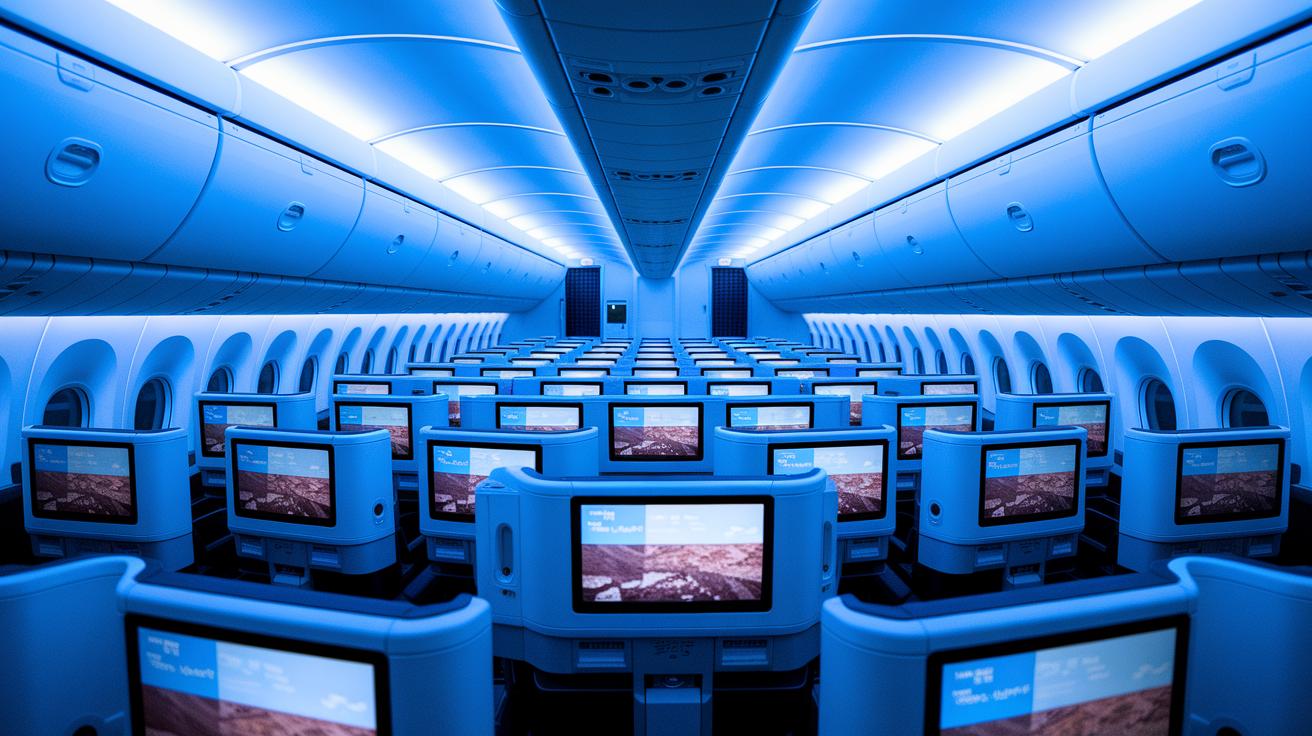
Airlines spend about 5 to 7 years developing inflight entertainment (IFE) systems. This long period is needed to meet strict airworthiness and software testing rules. Every change or upgrade must pass tough safety checks. For example, United Airlines is fitting its Boeing 787 and A321XLR fleets with Panasonic Astrova systems, with updates planned to take place during scheduled C-checks until 2025. These upgrades can add an extra 50–100 lbs per plane, so engineers need to do detailed checks on the aircraft structure, which might affect performance.
Keeping IFE systems running smoothly means regular technical support and scheduled overhauls. Major suppliers say their systems are up more than 99 percent of the time, so even short downtimes can cause big issues. Airlines plan regular software updates, recalibrate hardware, and run safety checks to avoid surprises and keep the systems in good shape despite heavy use.
Reliability and Maintenance Workflow
Airlines follow a routine schedule with regular hardware inspections, software updates, and real-time fault monitoring using modern dashboards. Vendors provide dedicated support teams to quickly troubleshoot and fix any problems remotely, which helps reduce service interruptions.
Airlines carefully weigh the costs and benefits of these upgrades. High initial expenses and added weight may affect fuel use and efficiency. However, the payoff is fewer unexpected shutdowns and happier passengers. Working with trusted vendors and following strict maintenance plans helps airlines keep their flights running safely and efficiently over time.
Emerging Trends and Future Innovations in Inflight Entertainment Systems
Airlines and hardware makers are moving away from focusing on tiny product details to creating complete digital systems. They now design systems that adjust in real time and connect effortlessly across devices. Industry experts have started discussing fresh ideas, like augmented interfaces (tech that blends digital elements with your view), voice-activated controls, and smart sensors. Recent expos have shown early displays and hardware that hint at a future where onboard media changes to match what passengers want. One presenter put it simply, "Imagine a cabin system that senses your mood and adjusts the content to match. This is just the beginning."
Travel habits have changed since the pandemic, and passengers now expect more than just clear visuals onboard. They want digital features that support live streaming, quick pairing of devices, and app-based controls for personalizing content. Studies and expert panels say that future inflight digital systems will use real-time data to keep improving these features. One expert explained, "Passengers now tap a screen to adjust settings on the fly, turning a routine flight into a fully connected digital experience."
Final Words
In the action, the article broke down leading inflight entertainment offerings, detailing key vendors and their standout features. We compared system capabilities in clear, side-by-side technical snapshots, covering everything from display size and resolution to content depth. The piece also explored connectivity models and user interface simplicity, ensuring travelers have the facts for smooth flying experiences.
The inflight entertainment system comparison sheds light on choices that could make your next flight more enjoyable and less stressful. Enjoy enhanced onboard media experiences and smarter travel decisions.
FAQ
What is the best inflight entertainment system comparison?
The best inflight entertainment system comparison reviews leading systems from vendors like Panasonic and Collins to highlight features such as high-resolution screens, extensive content libraries, and reliable connectivity for a quality passenger experience.
What airlines have TVs in Economy?
What airlines provide TVs in Economy is answered by noting many major carriers, such as Emirates, United, and Cathay Pacific, equip their economy cabins with seatback screens offering movies, music, and live TV.
Which are the best in-flight entertainment airlines?
The best in-flight entertainment airlines are those offering extensive content catalogs and modern technology, with leading carriers like Emirates, Qatar Airways, and Singapore Airlines delivering advanced systems and diverse media selections.
Which airlines have inflight entertainment systems?
Which airlines feature inflight entertainment systems? Most commercial airlines, including Delta, JetBlue, and Air Canada, install IFE systems that offer a variety of movies, TV shows, and music channels for passenger enjoyment.
How does Cathay Pacific’s inflight entertainment work?
Cathay Pacific’s inflight entertainment provides a robust selection of movies, TV shows, and music channels through user-friendly seatback screens, updated regularly to keep content fresh for passengers across its fleet.
What is the world’s best inflight entertainment in 2024?
The world’s best inflight entertainment in 2024 spotlights systems such as Emirates ICE and United’s Astrova, which feature 4K OLED displays, extensive on-demand content, and cutting-edge connectivity, setting new industry standards.
How does Virgin Atlantic’s in-flight entertainment stand out?
Virgin Atlantic’s in-flight entertainment integrates a mix of movies, TV shows, and digital features, offering a modern experience accessible both through seatback screens and personal devices, ensuring quality content in all cabins.
How do first class airlines compare regarding inflight entertainment?
Comparing first class airlines involves looking at premium cabin features like larger, high-resolution screens and personalized content options, with top carriers offering enhanced IFE systems that add to overall luxury and comfort.