

Rolls Royce Aviation, known for luxury cars in the past, now leads in powering aircraft. They mix well-honed skills with smart technology to power more than 13,000 engines around the globe. Each engine is built to perform strongly, use fuel wisely, and keep flights on schedule. Whether it’s for travel or defense, these engines help make sure journeys run smoothly. Let’s explore how Rolls Royce blends history and modern know-how to earn its trusted name in the skies.
Rolls-Royce Aviation Division: Heritage, Scope, and Global Footprint
Rolls-Royce started out in 1904 making luxury cars before turning to aircraft engines in the 1940s. This shift laid the groundwork for it to become one of the world's top engine makers. Today, the company powers more than 13,000 civil aircraft engines used on over 35 different types of airplanes. On the defense side, its 16,000 engines serve 160 customers in over 100 countries.
The change from crafting high-end cars to developing advanced flight engines shows a long history of innovation. Rolls-Royce mixes traditional skills with modern technology to build engines that deliver both power and fuel efficiency. For example, before moving into aviation, the team perfected their precision on car assembly lines. That early experience still influences their approach to engine design.
Each engine stands for quality and dependability. Rolls-Royce is focused on enhancing fuel efficiency, cutting emissions, and ensuring every engine runs reliably. This blend of time-tested methods and new technology makes it a trusted name for both civil and defense aviation, inspiring confidence among airlines and military customers around the world.
Rolls-Royce Aviation Engine Portfolio and Trent Series Highlights
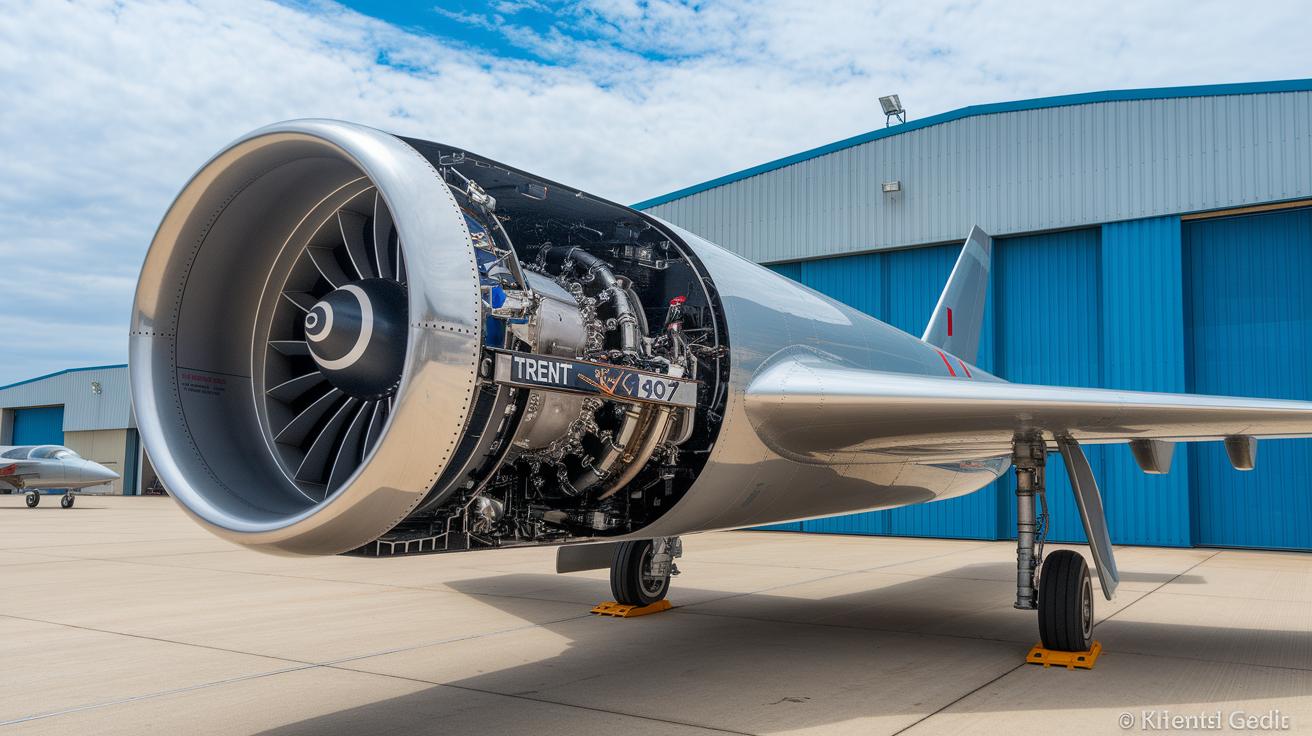
Rolls-Royce leads engine design with its new-generation models. The Trent series is a standout, offering strong thrust and smart technology for many aircraft. Each engine is built for smooth runs, better fuel use, and solid reliability. Modern Trent engines set high standards with upgrades like better cooling systems and boosted overall performance. For example, the Trent XWB-97 produces 97,000 lbf of thrust and powers the Airbus A350-1000 with sleek aerodynamics and optimized cooling that enhance both power and dependability.
The Trent 800 proved groundbreaking in the early 1990s as an early engine option for the Boeing 777. Meanwhile, the Trent XWB-84 is tailored for the Airbus A350-900, featuring a unique three-shaft design that improves response and fuel efficiency. The Trent 900, built for the Airbus A380, was the first engine created for a large, four-engine aircraft. It mixes high thrust with low noise and reduced fuel consumption. On a smaller scale, the Trent 500 delivers 61,000 lbf for the Airbus A340-500/600 by using parts from the Trent 700 series to support long-haul flights. Rolls-Royce also serves specialized, smaller aircraft with its M250 and RR300 models.
| Engine Model | Thrust (lbf) | Aircraft Application | Year Introduced |
|---|---|---|---|
| Trent XWB-97 | 97,000 | Airbus A350-1000 | 2018 |
| Trent 800 | 95,000 | Boeing 777 | 1990 |
| Trent XWB-84 | 84,000 | Airbus A350-900 | 2014 |
| Trent 900 | 84,000 | Airbus A380 | 2007 |
| Trent 500 | 61,000 | Airbus A340-500/600 | 2002 |
| M250 & RR300 | Varies | Smaller Aircraft | 1980 |
These models show Rolls-Royce’s commitment to pushing performance and dependability. Their diverse engine lineup meets the unique needs of different aircraft, making air travel safer and more efficient.
Innovations in Rolls-Royce Aviation Technology
Rolls-Royce keeps pushing the envelope in aerospace tech with advances that boost engine reliability and cut fuel use. One standout is its three-shaft design, which keeps engines running smoothly, reacts fast, and burns fuel efficiently.
The company also backs its tech upgrades with strong digital support. Their CorporateCare Data Centre and a series of simple, informative videos help technicians and engineers grasp advanced gas turbine design and performance tweaks. Real-time monitoring systems check engine health continuously, catching problems while they're still small. You can even find more on AI-powered predictive maintenance in aviation for a closer look at how digital tools are changing engine care.
Here are the top five innovations powering Rolls-Royce engines:
- Three-shaft design: Keeps operations smooth, responds quickly, and saves fuel.
- Fuel-efficient architecture: Uses design tweaks that cut fuel burn and overall consumption.
- Digital diagnostics and monitoring: Employs modern sensors and software to track engine health in real time for prompt fixes.
- CorporateCare Data Centre: Offers online training and resources to help users understand engine performance and troubleshooting.
- Export-control compliance: Follows strict rules for sharing technical data so that sensitive info stays secure.
These upgrades mean engines work better, use less fuel, and stay reliable over time. Rolls-Royce turns tough engineering challenges into wins for its customers by mixing advanced design with real-time data monitoring. Thanks to these innovations, engines run at their best under a range of conditions, making air travel smoother, safer, and more efficient.
Rolls-Royce Aviation Services and Lifecycle Management Programs

Rolls-Royce Aviation keeps its engines working smoothly throughout their entire life with a strong support network. The FIRST Network merges customer training, field support, and warranty services so that technicians and engineers get the insights and training they need for full turbine lifecycle care.
The M250 and RR300 TotalCare programs boost engine performance even further. They focus on spare parts and detailed component information, ensuring that even small engine models receive the care they deserve. These programs cover everything from routine services to best practices in engine refurbishment.
Authorized Service Centers like AMROC, AMC, AMOF, and ARF offer quick AOG (Aircraft on Ground) assistance with dedicated contact numbers. They respond fast to unexpected maintenance needs, reducing downtime and keeping aircraft on schedule. In addition, CorporateCare Sales and Customer Services Managers handle tooling and spare parts logistics, ensuring every component meets high-quality standards.
This complete approach mixes proactive monitoring with quick fixes. It helps manage the engine’s entire lifecycle while underlining Rolls-Royce Aviation’s reputation for reliable and precise engine support.
Sustainable Propulsion and Future Solutions at Rolls-Royce Aviation
Rolls-Royce Aviation is stepping up with new fuel and efficiency ideas designed for today's air travel. The team is reimagining engines so they use less fuel, make less noise, and still deliver the reliable power flyers need. In labs and test cells, experts are testing new sustainable fuels for engines like the Trent, aiming to lower emissions and reduce operating costs.
The company is also exploring electric propulsion for smaller aircraft. They are testing hybrid-electric setups that mix traditional jet power with electric boosts, making flights quieter and more efficient. This blend of power options works well for both short, local hops and longer regional trips, giving pilots greater choice.
Emission cuts are a top priority. Engineers follow strict plans to ensure each new engine design helps create cleaner skies. Rolls-Royce stays ahead by refining sustainable fuels and efficiency tech that meet changing environmental rules. By merging sustainable fuels with electric ideas, they are paving the way for greener flights and setting new standards in reducing air pollution.
Rolls-Royce Aviation Market Performance and Investor Insights
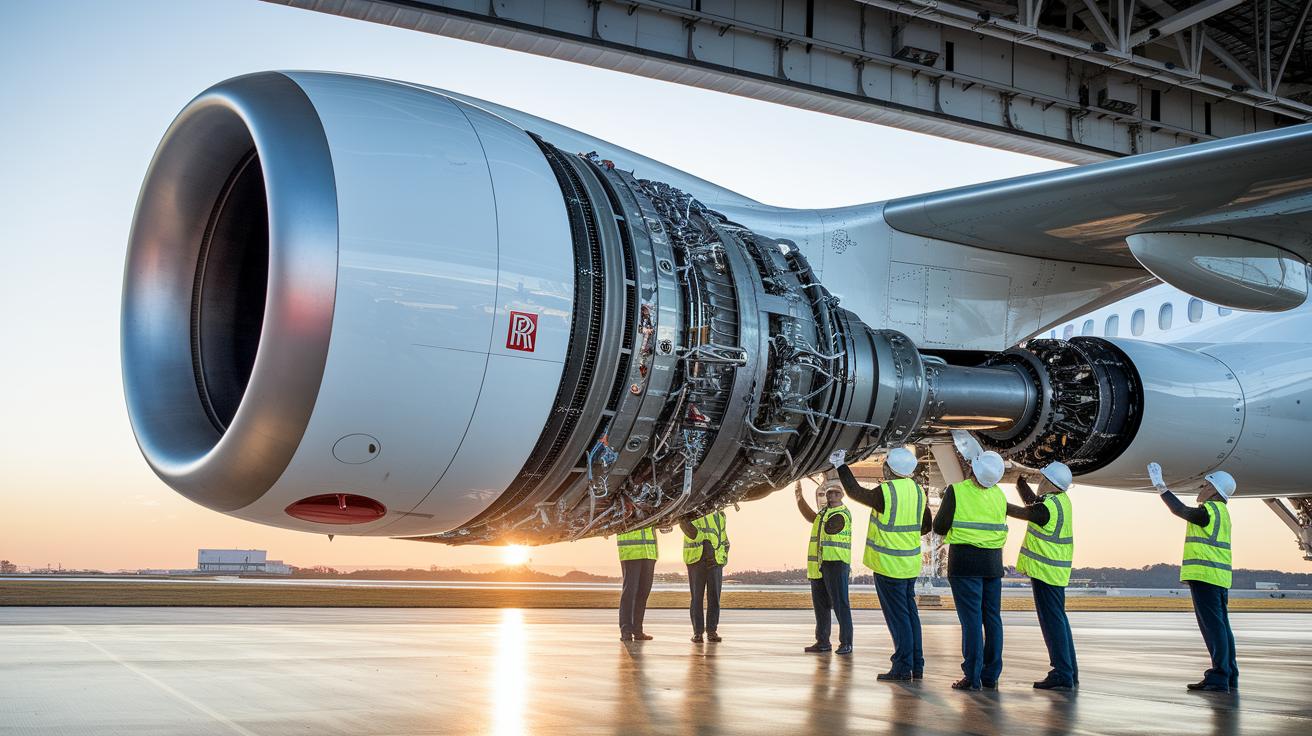
Investors in Rolls-Royce Aviation value the stability of its large engine fleet. With over 13,000 civil and 16,000 defense engines operating in more than 100 countries, long-term contracts and reliable field support create steady, recurring revenue. This vast fleet keeps cash flow steady, which is key for a stable investment outlook in aerospace.
Market analysis shows that this broad engine base not only meets operational needs but also influences share prices and future forecasts. Investors appreciate a solid service network and timely maintenance, which help lower unexpected costs. Regular updates from investor relations cover service contracts and performance metrics, clearly showing how global demand and economic factors lead to consistent revenue.
Reports emphasize that strong operations and a global service network keep long-term contracts in place. For example, detailed revenue forecasts demonstrate how reliable support and ongoing service engagements boost market performance. These clear, data-driven updates reinforce a positive investment view and build trust among those watching the aviation sector.
Careers and Research Opportunities in Rolls-Royce Aviation
Rolls-Royce Aviation offers many jobs for people who love advanced aerospace work. Their engineering roles involve designing and testing the next generation of engine systems. Engineers work in innovation labs, where they push the limits of engine technology. One day, you might work in a modern lab using new methods to boost fuel efficiency and cut emissions.
The company also runs research centers focused on engine power and digital tools. These centers are about exploring new ideas and building real skills. Imagine starting each day with a fresh technical challenge that makes aviation better.
They place a strong focus on recruiting new engineers through special programs. Training at the CorporateCare Data Centre gives staff real-time insights into engine performance so they can stay ahead.
Regional customer support teams mix field roles with technical work, offering clear steps for career growth. This blend of opportunities makes Rolls-Royce Aviation a great place to build a high-tech career.
Final Words
In the action, the blog outlined how rolls royce aviation builds on a storied past to drive engine innovation and industry support. It showcased engine breakthroughs, sustainable fuel solutions, and a robust service network that keeps operations smooth. The post also touched on market performance and career opportunities in advanced aerospace roles. Each section reinforces the trust and progress driving modern travel. Stay informed, fly smart, and keep embracing the positive advancements in air travel.
FAQ
Does Rolls-Royce do aviation?
The question about whether Rolls-Royce does aviation is answered by noting that Rolls-Royce is a major engine manufacturer for both civil and defense aircraft.
Who owns Rolls-Royce aircraft?
The query on ownership is clarified by understanding that Rolls-Royce designs and builds aviation engines; they do not own the aircraft their engines power.
Which aircraft use Rolls-Royce engines?
The inquiry regarding aircraft using Rolls-Royce engines is met by knowing that their powerplants fly in models like the Airbus A350, Boeing 777, A380, and several other advanced aircraft.
Are Airbus engines made by Rolls-Royce?
The question about Airbus engines is answered by explaining that while not all Airbus aircraft use them, many models, such as the A350, rely on Rolls-Royce engines for efficient performance.
What career opportunities does Rolls-Royce Aviation offer?
The question about career opportunities is answered by stating that Rolls-Royce Aviation presents roles in engineering, design, production, and support, providing structured career paths in a leading technology company.
Where are Rolls-Royce Aviation locations?
The question on locations is answered by explaining that Rolls-Royce operates globally, with multiple centers for manufacturing, engineering, and customer support in key international markets.
What is notable about the Rolls-Royce aircraft engines factory?
The inquiry regarding the engines factory is answered by describing their state-of-the-art facilities that use advanced technology and precision methods to manufacture high-quality aviation engines.
What engines are included in the Rolls-Royce aircraft engines list?
The query about the engines list is met by detailing that the lineup includes the Trent series, M250, RR300, and other models, each designed for different aircraft and performance needs.
What details are known about Rolls-Royce aviation stock?
The question regarding aviation stock is answered by highlighting that Rolls-Royce Holdings is publicly traded, drawing investors with its long heritage, innovation, and stable market performance.
How is the price of Rolls-Royce plane engines determined?
The query on engine pricing is answered by stating that engine costs depend on customization, capacity, and buyer requirements, making each quote highly specific.
What is Rolls-Royce Aerospace USA?
The question about Rolls-Royce Aerospace USA is answered by pointing out that the company has a significant presence in the United States, with dedicated facilities and support centers servicing the North American aerospace market.