

Could the sky hint at a cleaner future? In aviation, keeping an eye on green trends is sparking real progress to fight harmful emissions. Planes add 2.5% of the world's CO2 but end up causing 3.5% of warming. Airlines now use clear data to make better choices, opting for fuel-efficient models and cleaner fuels. This careful look at emissions lights the way for big changes. It shows that studying these trends is a key step toward lower emissions and a healthier planet.
Strategic Impact of Environmental Trend Analysis in Aviation
Aviation makes up about 2.5% of global CO₂ but drives 3.5% of the warming effect. In 2023, the sector released nearly 800 million tonnes of CO₂, about 80% of its pre-pandemic peak, with around 2.5 million tonnes emitted each day. Imagine, if commercial aviation were a country in 2019, it would rank sixth in greenhouse gas emissions. This striking fact shows why following environmental trends is key for any smart sustainable plan in air travel.
Digging into these numbers helps airlines make big, lasting changes. Tracking trends in carbon emissions lets them see how close they are to tough goals like net-zero by 2050 (meaning no extra carbon added to the air). Airlines are investing in fuel-efficient planes and also shifting to sustainable aviation fuels. They base these moves on detailed data reviews that compare past emission patterns with today’s rules.
Trend analysis guides important decisions by showing patterns in everything from everyday flights to seasonal travel spikes. Regular reviews offer clear feedback on fuel-saving efforts and help shape plans to update and improve fleets to keep up with environmental rules. This careful study of sustainable flight not only meets regulatory standards but also helps airlines balance costs by highlighting where technology can lower emissions and save fuel.
Data-driven environmental trend tracking has become a central tool for airlines. It helps them fine-tune operations, stick to new policies, and steadily improve their green strategies.
Tracking Aviation Carbon Emissions Trends

Back in 2018, airlines were responsible for 2.4% of the world’s CO₂. About 70% of their exhaust is CO₂. This gives us a clear benchmark for tracking their impact. For example, the United States released 182.5 million metric tons of CO₂ in one year. China came in second with 93.5 million metric tons, while the United Kingdom, Japan, and Germany reported 39.6, 38.4, and 32.8 million metric tons respectively.
Seasonal changes also play a big role. In the busy summer months, emissions can double compared to the quieter winter. Every day, airlines fly 128,000 flights carrying 12.5 million passengers and moving £14.3 billion in cargo. This shows that long-haul flights, which spend more time in takeoff and cruise, leave a bigger carbon footprint per traveler.
Airlines are turning to strong data tools, like those in aviation technology, to track and compare performance. These tools help them study emissions carefully and plan for reductions that matter.
Clear emission metrics let airlines spot key trouble spots. They can then adjust routes to burn less fuel. This focus on data also supports investments in new aircraft and drives green checks at airports to lower overall carbon emissions.
Fuel Efficiency and Green Aviation Technologies
Airlines are putting money into newer planes and better technology to reduce fuel use. Early tests with sustainable aviation fuels (SAFs, fuels designed to lower environmental impact) show encouraging results. For example, a small mix of biofuels has cut lifecycle emissions by up to 80%, drawing attention from various fleets.
Simple tweaks in airplane design and engine upgrades are making a real difference. Even minor changes in the airframe and engine parts have improved fuel burn by 1–2% each year. One pilot shared, "Our updated engine design saved fuel costs and lowered our carbon footprint this season." New airframes in development could lower fuel consumption by as much as 15%, a welcome boost as the industry strives for net-zero emissions.
Airlines are setting bold targets, like using 50% SAFs by 2050, to back long-term environmental goals. They are testing engines that run smoothly on SAFs by combining innovative materials with smart design. This drive for better fuel efficiency not only cuts expenses but also builds a stronger base for greener operations.
Modern fuel monitoring systems and real-time performance data play a key role in these improvements. Digital tools allow airlines to adjust flight profiles on the fly, leading to better overall performance. As this technology matures over the next decade, expect to see ongoing gains in fuel efficiency and lower emissions that will help push the aviation industry toward a cleaner future.
Regulatory Compliance in Aviation Environmental Trends

Global rules like ICAO's CORSIA and the EU ETS set simple guidelines for cutting CO₂ emissions. Airlines have to send detailed reports showing their emissions to prove they are meeting these targets. One expert compared it to "handing over the keys to a smooth-running engine, accuracy matters."
Airlines must follow their own country's rules too. In many places, they need to report their emissions, deal with carbon pricing, and sometimes pay fines if they don't comply. In the United States, for example, the Environmental Protection Agency (EPA) is pushing for tougher limits. This means airlines are adjusting their operations and investing in cleaner technology, with every flight adding to the big picture of reducing pollution.
The goal of net‑zero emissions by 2050 forces airlines to constantly check and cut their environmental impact. They review everything, from how they manage fuel to the routes they choose, to match evolving climate policies. Airlines set internal deadlines and use checks and audits to track their progress.
Many carriers use digital tools to monitor and report their emissions. These systems help reduce mistakes and show a strong commitment to not only meeting but often exceeding global and national environmental standards.
Airline Case Studies on Emission Reduction
Airlines and operators are making clear moves to cut emissions while updating their fleets. They are using smart investments to hit net‑zero targets. For instance, one airline modernized its A350 fleet and now saves about 25,000 tonnes of CO₂ every year. This shows how mixing new aircraft technology with eco‑friendly fuels and renewable energy for ground operations can really help the environment.
Another carrier started using a blend with 10% sustainable aviation fuel. This change has lowered its total emissions by 7%. Even a small shift like this adds up across the industry. One busy airport even put up solar panels for its operations, which cut its emissions by half. Not only does this smart move shrink emissions, but it also saves money that can be used for more green projects.
Engine makers are also getting involved. Their new engine designs cut fuel use by about 15%, which means lower emissions without hurting performance. These cases show that combining modern engines, renewable energy, and better fuel options can lead to big gains in reducing environmental impact.
Every success like this encourages more green investments and brings us closer to long‑term environmental goals. By sharing their progress and lessons learned, airlines and their partners are working together for a cleaner and more efficient air travel system.
| Airline/Operator | Initiative | Annual CO₂ Reduction (tonnes) |
|---|---|---|
| Airline A | Retrofitted A350 fleet | 25,000 |
| Airline B | Deployed 10% SAF blend | 7% reduction* |
| Airport X | Installed solar fields for operations | 50% reduction* |
| Manufacturer Y | Next-gen engine design | 15% fuel burn reduction* |
Predictive Modeling for Aviation Environmental Trends
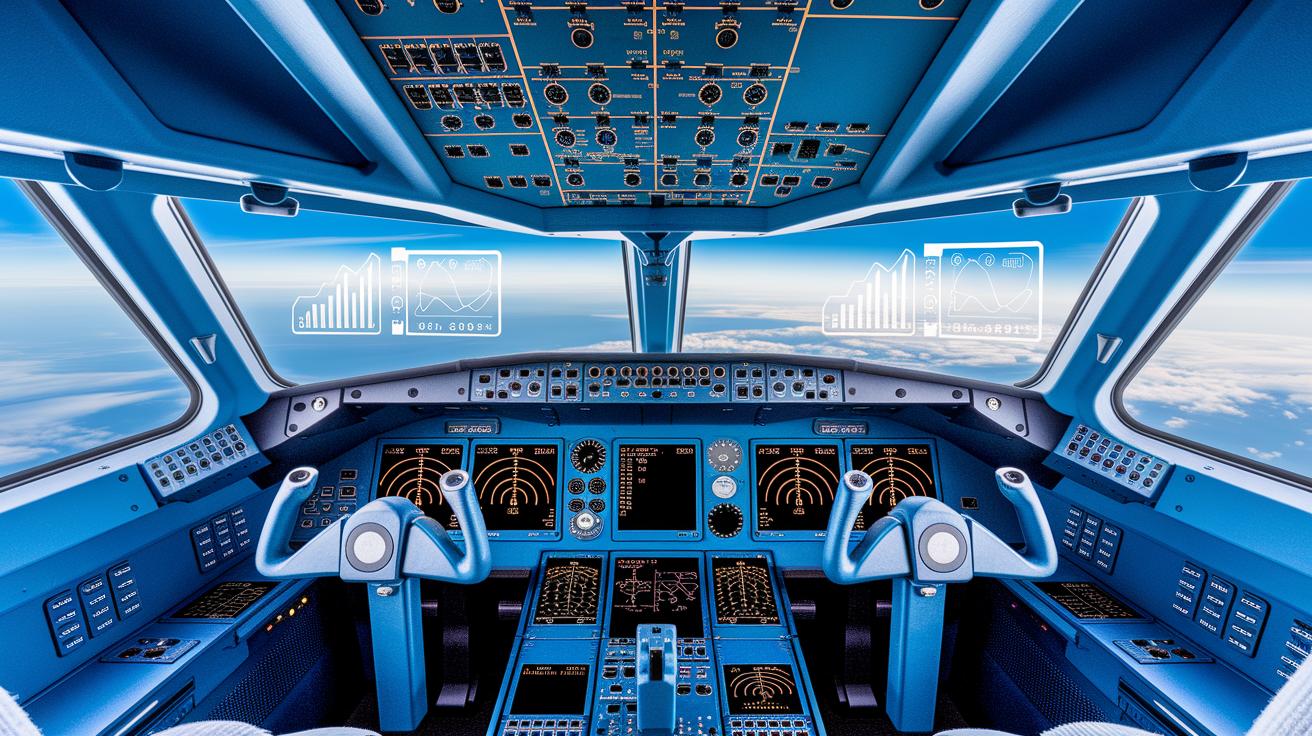
Airlines are now using smart data tools to cut fuel use and keep flights smooth. Big-data systems run tests that show how much fuel is burned on different routes and at different heights. This approach can save about 3–5% in fuel. AI weather forecasts let planners shift schedules to avoid tough weather that slows planes down.
Digital twins create a live, virtual view of an aircraft's systems and upkeep needs. This helps airlines figure out when to fix parts before problems occur. These tools also guide airlines when choosing greener investments. They show how climate changes might affect routes so that adjustments can be made ahead of time.
By blending these digital methods into daily routines, airlines can tweak operations and plan for long-term improvements in fuel use. The result is immediate fuel savings and a solid step toward more sustainable flying.
| Tool | Purpose |
|---|---|
| Fuel-burn simulators | Estimate fuel use for various flight scenarios |
| Path optimization algorithms | Find the most efficient flight paths |
| Digital twins | Mirror aircraft systems for clear maintenance insights |
| AI weather models | Predict weather to cut down on drag |
| Lifecycle impact forecasting | Show long-term environmental impacts |
Final Words
In the action, environmental trend analysis in aviation drives strategic decisions. The post examined data on carbon tracking, fuel efficiency upgrades, and regulatory policies. It detailed airline case studies and showcased how predictive models guide investments in greener practices. These insights offer valuable tips for managing emissions and future planning. Smart, informed choices today support a path toward a cleaner and more efficient air industry. The outlook remains positive as the industry works toward sustainable progress.
FAQ
Environmental trend analysis in aviation pdf
The environmental trend analysis in aviation pdf explains how trends in emissions, fuel efficiency, and regulatory changes shape strategic planning. It offers data-driven insights for more sustainable airline practices.
ICAO fuel consumption
The ICAO fuel consumption details describe methods to measure fuel use in aviation. It sets international standards that help airlines track, benchmark, and reduce fuel use efficiently.
What are environmental trends?
The environmental trends indicate shifts in emissions, regulations, and fuel efficiency. They highlight how the aviation industry is working to reduce its climate impact through technology and new policies.
What are the environmental issues in the aviation industry?
The environmental issues in aviation include high CO₂ emissions, inefficient fuel use, and the pressure to adopt sustainable fuels. These issues drive airlines to innovate for cleaner operations.
What are the future trends in aviation?
The future trends in aviation focus on advanced fuel efficiency, sustainable aviation fuels, and predictive analytics. Airlines are adopting new technologies and digital tools to work toward net-zero goals.
What are the environmental factors that affect aircraft performance?
The environmental factors affecting aircraft performance include temperature, air density, and wind conditions. These factors influence fuel burn and flight efficiency, requiring careful adjustments in operations.