

Ever wonder how airlines keep their cash flowing even when profit margins are thin? In 2023, U.S. carriers earned nearly $280 billion. They make money from more than just ticket sales. They also charge for checked bags, seat upgrades, and on-board purchases. Plus, they use smart pricing to fill seats when travel is busy. Here, we break down the models that help airlines cover big expenses and boost profits.
Key Ways Airlines Make Money: Main Revenue Streams
In 2023, U.S. airlines pulled in about $279.6 billion, while the world’s carriers earned around $841.5 billion, a 7% increase from the previous year. The industry bounced back strongly from the COVID slump with a 44% improvement over 2021. These figures show just how big and quick the recovery has been.
Ticket sales make up about 70–80% of an airline's income. To break even, airlines need to fill roughly 70–80% of their seats. With profit margins averaging only 3%, good for roughly $30.5 billion in profit in 2024, every source of revenue has to work hard to cover huge operating and other costs.
Airlines mix their income by using several revenue streams together. This approach helps them manage high costs and tight profit margins. Here’s a quick look at these sources:
- Ticket sales (70–80% of revenue)
- Ancillary fees (for items like baggage, seat upgrades, and onboard sales)
- Cargo and freight services
- Loyalty programs and credit-card partnerships
- Other operations (including airport fees and in-flight advertising)
Flight Ticket Pricing Strategies: How Airlines Make Money from Fares

Airlines now use smart pricing systems that change fares in real time. In other words, while you book your ticket, prices may shift based on customer demand and what competitors are doing. For example, when more people travel during the holidays, prices rise to boost revenue. For a closer look at how this works, check out airline fare optimization tips.
Seasonal demand and competition also play a big part in how ticket prices are set. Airlines aim to fill about 70–80% of seats to cover costs, so they adjust prices to fill enough seats without missing out on extra revenue. They study past booking habits and current market trends to set the best price. This approach helps them react quickly and keep fares both attractive and profitable.
From 2009 to 2019, airlines around the world enjoyed an average annual growth of 5.3% thanks to these clever pricing methods. They examine factors like booking times, travel dates, and even weather forecasts to tweak fares minute by minute. This flexible, data-driven strategy means every ticket sold helps cover operating costs and adds to overall profits.
Ancillary Fees and Surcharges: How Airlines Add Income Beyond Ticket Sales
Airlines are finding new ways to boost their profits. Besides the regular ticket sales that cover most of their income, extra fees for things like checked bags, seat upgrades, and onboard meals add a significant boost. After travel picked up by 44% following COVID, airlines expanded these services to help cover rising costs and satisfy passenger needs.
Checked-bag fees now play a major role in overall earnings. Many carriers also charge extra for perks like priority boarding or extra legroom, letting travelers choose extra comfort while bringing in more dollars per passenger. These charges give airlines more flexibility to adjust prices with seasonal changes. In fact, forecasts for 2024 expect global revenues to hit $964 billion as more carriers roll out extra fees.
Airlines are also beefing up in-flight services. You might pay for a seat upgrade, premium entertainment, or even Wi-Fi during your flight. These choices not only add convenience but also help airlines manage high operating costs. Every extra fee collected means more resources to boost service quality and maintain profitability in a tough, competitive market.
Cargo and Freight Services: Additional Revenue Channels for Airlines
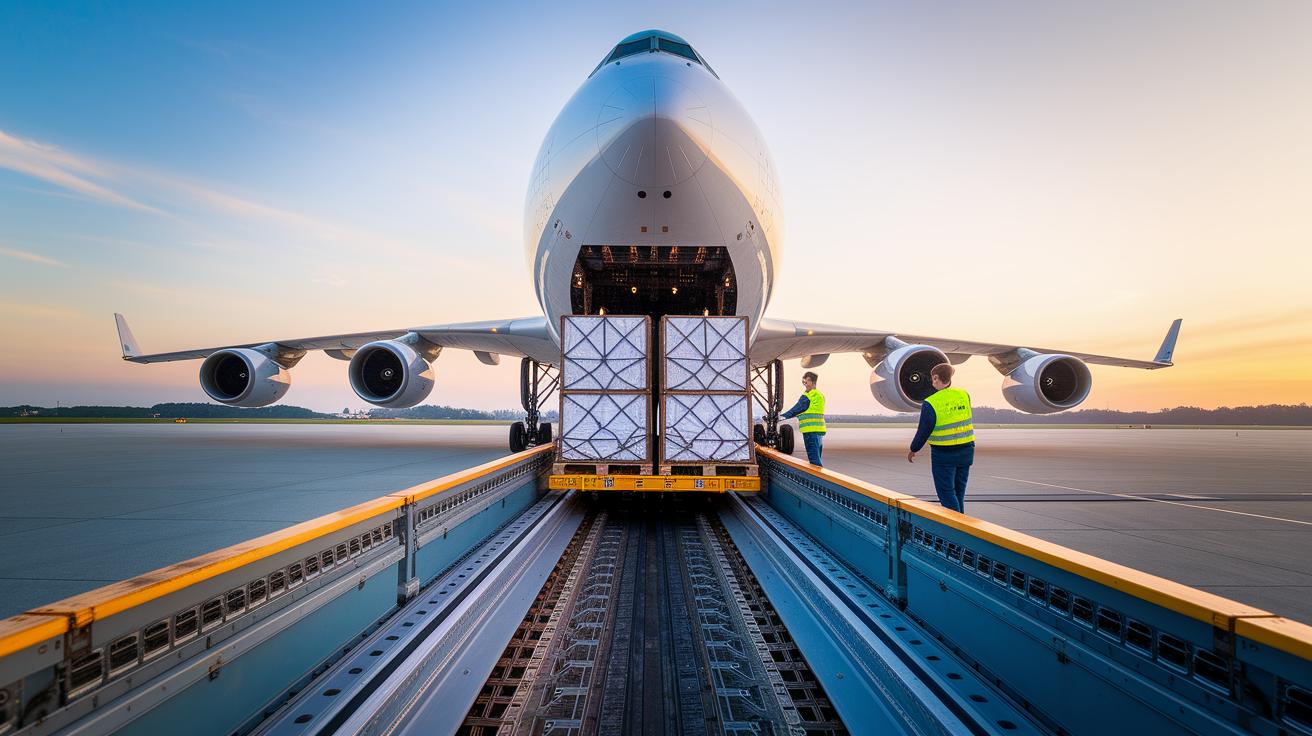
Airlines are boosting their profits by growing their cargo and freight services. In 2023, global airline revenue reached about $841.5 billion, with a 7% increase from the previous year. This boost came partly from cargo operations, which give airlines a way to earn money besides passenger tickets. By using unused cabin space and belly capacity, carriers turn what would be empty space into busy cargo holds.
Looking ahead to 2024, forecasts show that total revenue could hit around $964 billion. This jump is expected from better cargo route management and stronger logistics partnerships. Carriers are teaming up with others and setting up special cargo hubs to improve their freight services. These moves help them load more cargo and cut rising costs. In short, by refining their cargo strategies, airlines make every shipment work hard for their bottom line and the overall health of the industry.
Loyalty Programs and Partnerships: Recurring Income Streams for Airlines
Airlines are finding smart ways to boost their earnings using loyalty programs and rewards. Frequent-flyer programs give you points for every mile you fly. You can later use these points for free flights or a nice upgrade. This idea not only gets you to fly more often but also brings in steady income for the airline. When you use your earned miles with a partner service, the airline earns extra money. Imagine earning enough miles to cover your whole ticket, every point helps create a cycle of rewards for both you and the airline.
Airlines also team up with credit card companies to add to their income. Co-branded credit cards offer special deals and bonus miles for everyday purchases. These partnerships bring in money from annual fees and transactions, not just ticket sales. Airlines work closely with banks to create offers that attract frequent flyers. This way, even your daily spending can help fly you to your next destination and boost the airline's profits.
How Airlines Make Money through Operating Cost Management
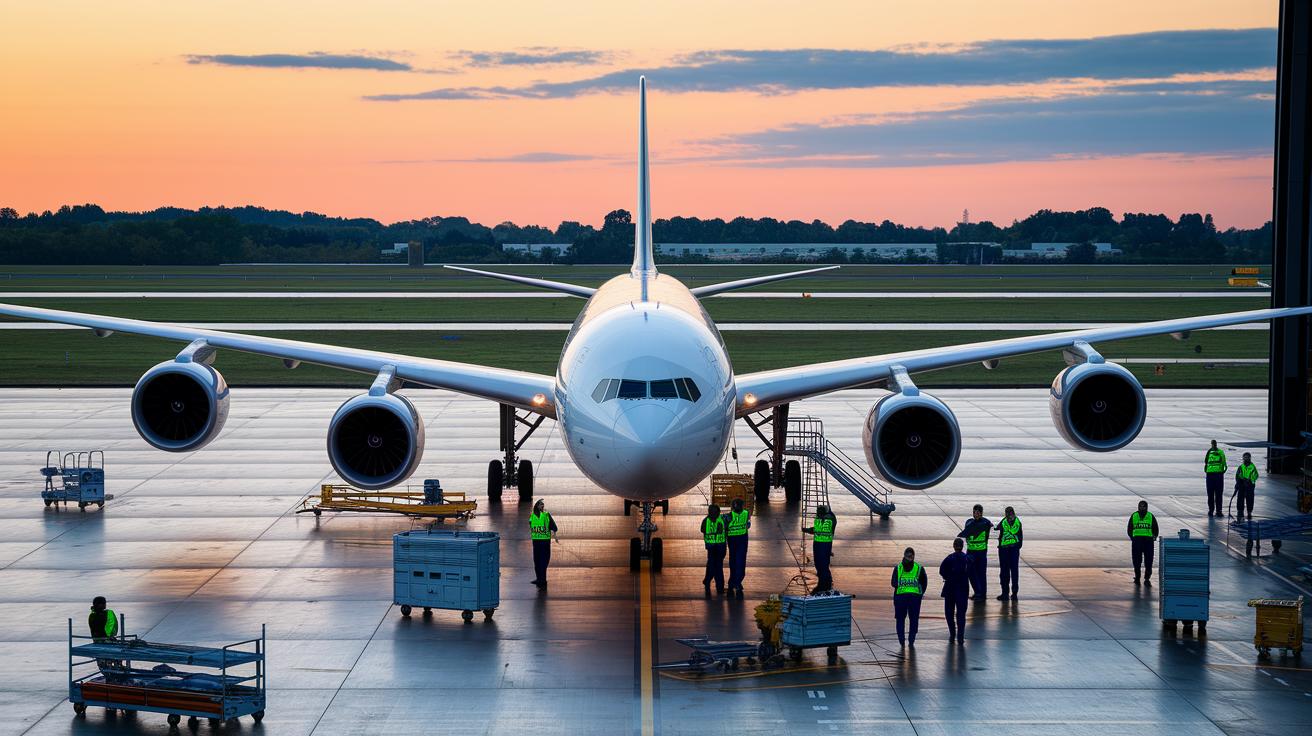
Airlines work hard to keep costs low while squeezing every dollar of revenue. Delivery delays have pushed many carriers to extend the life of their airplanes. In fact, the average jet age has moved from 13.6 years to 14.8 years since 2021. With planes flying longer, airlines now put extra effort into smart maintenance scheduling and efficient fleet use. For example, an airline might plan routine checks during slower flight periods to keep the plane in tip-top shape.
A load factor of 70% to 80% is essential for covering operating costs. With profit margins hovering around 3% worldwide, every cost-saving move becomes important. Carriers closely watch how many seats are filled on a flight, balancing the income with expenses like fuel, labor, and regular upkeep. Many airlines also lock in fuel prices in advance, a practice called fuel hedging, to help manage one of their largest costs.
Airlines also cut costs by modernizing their fleets and optimizing expenses in other ways. They plan maintenance and route assignments carefully, sometimes even renegotiating service contracts or shifting resources when business slows down. These focused strategies are vital in an industry where each saved dollar makes a big difference against heavy operating costs.
Final Words
In the action, this article broke down the key ways airlines make money by covering core revenue streams like ticket sales, extra fees, cargo services, loyalty programs, and cost controls. Each section provided clear steps that help explain fare strategies and revenue management approaches.
This look at how do airlines make money highlights practical points that can guide travel planning. Stay informed and take advantage of the insights to make smoother, smarter travel decisions.
FAQ
How do airlines make money reddit
The discussion on Reddit shows that airlines earn revenue from ticket sales, extra fees for services like baggage and seat upgrades, cargo, loyalty programs, and credit card partnerships.
How do airlines make money from loyalty programs
Loyalty programs help airlines make money by offering frequent-flyer rewards and co-branded credit cards, which encourage customers to spend more and build a recurring income stream.
How much profit do airlines make per year
Annual profits vary, but on average, airlines earn around a 3% profit margin, translating to tens of billions in total profit worldwide each year.
How much profit do airlines make per passenger
Profit per passenger differs by route and airline, with some international carriers averaging around $23.90 per passenger when operating close to capacity.
How much profit do airlines make per flight international
For international flights, profit depends on factors like load factor and route economics; when flights are full, airlines can generate significant revenue per flight.
How do airlines make money from credit cards
Airlines profit from credit cards by partnering with banks on co-branded card programs that generate fees and customer spending beyond regular ticket sales.
How much do airlines make per day
Daily earnings depend on the number of flights and demand, with airlines combining ticket sales and extra fees to generate substantial revenue on busy days.
Airline profit margins
The overall profit margins for airlines average about 3%, reflecting how revenue from various streams balances with high operating costs.
How much profit do airlines make per flight
Profit per flight varies widely based on the route and load factors; airlines aim for high occupancy to cover costs and earn profit on each flight.
Are airlines ever profitable
Airlines can be profitable when they effectively manage costs, maintain high load factors, and earn revenue from multiple streams, even if profits are relatively modest.
Can a pilot make 700k a year
Typically, pilots do not make $700,000 a year; even experienced pilots usually earn significantly less, with salaries varying by airline and region.
Do airlines make money on economy or business
Airlines make money from both economy and business classes; while business fares are higher, overall profitability comes from filling seats and offering additional services in all classes.