

Have you ever wondered if your everyday shopping can earn you rewards? Think of loyalty programs as a fair trade. You share your shopping habits and get rewards like discounts or free items in return.
These programs are more than just a few coupons. They offer smart deals that keep you coming back for more.
More and more Americans are signing up, proving that both shoppers and brands enjoy the benefits. Read on to see how your daily purchases can easily turn into rewarding experiences.
Understanding Loyalty Program Meaning
A loyalty program is a marketing plan that gives you rewards for shopping repeatedly. It offers perks like discounts, free items, upgrades, or early access to new products. In simple terms, you trade your shopping data for benefits, and brands get to keep you coming back.
These programs go by many names, such as:
- Rewards program
- Points program
- Membership perks
- Discount club
- Customer loyalty club
- Fan loyalty scheme
At its core, a loyalty program works like a trade-off. You share details like your purchase history and habits, and in return, you receive personalized benefits. On average, an American joins about 17 different loyalty programs. This steady flow of information lets brands tailor offers just for you, maybe a special discount on your birthday or a bonus after you spend a certain amount. This approach encourages more frequent shopping and increases the overall value you get from your favorite brands.
How Loyalty Programs Support Customer Retention
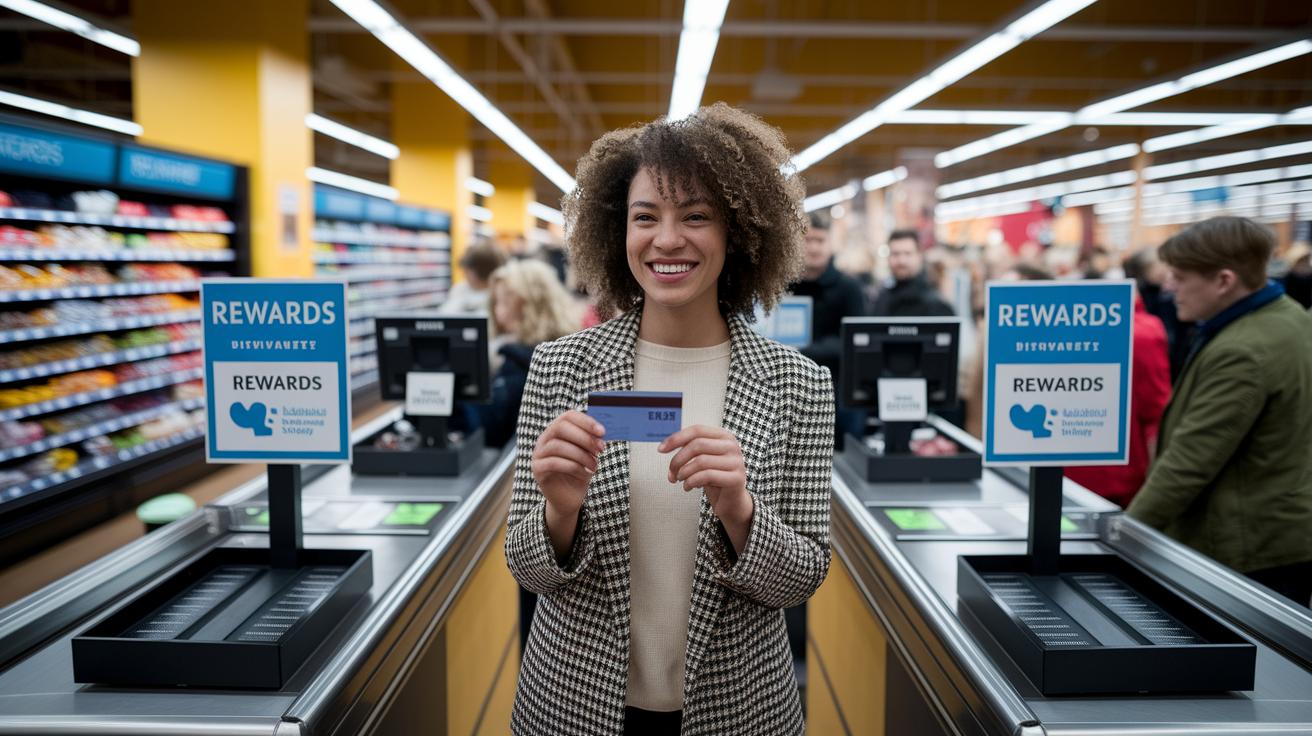
Keeping loyal customers is much cheaper than finding new ones. In fact, retaining a customer can cost up to five times less than acquiring a new one. This makes loyalty programs a smart move for brands that want to lower expenses while keeping shoppers happy.
Customers in loyalty programs often spend about 67% more than new customers. This extra spending boosts the overall value of each customer over time. When people see real rewards, they shop more frequently, which helps drive higher revenue.
Loyalty programs also create a stronger bond between customers and brands. Each reward and personal offer makes shoppers feel valued and more connected. This steady, personal touch turns one-time buyers into long-term supporters.
Structures of Loyalty Programs and Rewards Schemes
Loyalty programs come in many types to match different business needs and customer habits. Some let you earn points with every purchase and then use them for rewards. Others give you extra benefits the more you spend. There are even programs where rewards go up straight with spending, and options where you pay a fee to receive special deals all the time. Some programs also reward you for sharing your good experience with friends. Each style gives brands a unique way to keep customers coming back.
| Program Type | How It Works | Example |
|---|---|---|
| Points-Based | You earn points with purchases and trade them for rewards | Starbucks Rewards |
| Tiered Benefits | You unlock better rewards as you spend more | Marriott Bonvoy (Diamond tier) |
| Spending-Based | Rewards grow along with your total spending | Delta SkyMiles |
| Subscription | You pay a fee to get ongoing, exclusive benefits | Amazon Prime |
| Referral Schemes | You earn perks by referring friends who then make purchases | Uber Referral Bonus |
When brands pick a program structure, they consider how customers behave, how simple it is to explain, and if it works well with their existing systems. They think about what method will boost engagement and steady sales. For example, a simple points system might work best when customers shop often, while a tiered plan may encourage more spending when customers are ready for upgrades. By weighing these ideas, companies can decide on the program that fits their customers and meets their business goals.
Key Metrics for Evaluating Loyalty Program Effectiveness

Value metrics give you a clear picture of how much money a program brings in. Average order value (AOV) tells you how much a customer spends with each visit, while customer lifetime value (CLV) estimates the total money a customer will spend over time. When both AOV and CLV go up, it means customers are coming back and spending more each time.
Engagement metrics show how much customers interact with the program. The points redemption rate tells you how often customers trade their earned points for rewards. A high engagement rate indicates that customers see real benefits. In short, frequent rewards use means the program is doing its job.
Frequency metrics look at how often customers make a purchase. When customers shop often, it shows the program is successful in encouraging repeat business and making strong connections with buyers.
Retention metrics measure how well the program keeps customers over time. The customer churn rate shows how many customers stop using the program, while revenue gains from existing customers in top programs can be 15–25% each year. This mix of numbers helps brands see what works and where there’s room to improve.
Examples of Successful Loyalty Program Implementations
We looked at a mix of programs that use different methods to build customer loyalty. Each one shows clear ways to encourage repeat business and create strong ties with the brand.
Starbucks Rewards makes loyalty fun by letting you collect stars every time you buy something. These stars can be traded for free drinks and food, sparking more visits and offering tailored deals that feel just right.
Amazon Prime takes a subscription approach. For an annual fee, members enjoy perks like free shipping, streaming movies and shows, and special deals. This simple model helps keep customers coming back and buying more.
Nike Membership uses a smart app to serve up custom content and early access to new products. This means members get invites to exclusive events, special workouts, and insider news, all of which boost their connection to the brand.
Marriott Bonvoy combines points with levels of rewards. Every stay earns points that can lift you to higher tiers, opening the door to free upgrades, late checkouts, and other premium perks that keep travelers booking again and again.
Delta SkyMiles rewards flyers when they hit a set spending target. Frequent travelers earn miles that push them toward elite status, unlocking benefits like priority boarding and lounge access. This clear reward system helps build lasting customer loyalty.
PetSmart Treats Rewards has seen big growth by linking 90% of purchases to its 65 million members. They offer pet-specific discounts and deals that really speak to pet owners, ensuring they return time and again.
In short, these programs all work because they offer real benefits for sticking with the brand. They reward regular use, provide personalized perks, and create value that turns a one-time purchase into a long-term relationship.
Best Practices for Designing Your Loyalty Program

Defining Clear Reward Objectives
Start by setting clear rewards. Decide on spending goals, like needing to spend USD 10,000 a year to hit the top tier, and spell out the perks for each level. For instance, a brand could offer an exclusive discount or a bonus perk when a customer reaches a set spending mark. Setting clear goals shows both the customer and the brand exactly what they can earn and makes the rewards feel earned, not random.
Leveraging Customer Data for Personalization
Use customer information to make rewards feel personal and timely. Look at first-party data such as purchase history or special dates like birthdays and anniversaries. For example, offer a birthday discount or free shipping as a special perk. This approach makes customers feel recognized and encourages them to share more of their details. In short, the more you learn about your customers, the better you can tailor rewards that keep them coming back.
Ensuring Operational Feasibility
Make sure your loyalty program works smoothly every day. Work out both the initial costs and ongoing expenses like software updates or staff training. Align the program with your e-commerce platform and other systems so managing rewards and customer messages is hassle-free. Regularly check how well the rewards perform and review the costs. Adjust the program as customer needs and market trends change. This way, you keep the program valuable for both your brand and your customers.
Final Words
In the action, we walked through loyalty program meaning, explaining how these reward systems keep travelers coming back. We broke down key models, discussed performance metrics, and shared real-world success stories.
The post showed how a basic exchange of customer data leads to tailored perks. It also highlighted best practices for designing programs that boost retention and satisfaction.
The insights help simplify a complex topic, leaving us with a positive roadmap for smarter, less stressful travel decisions.
FAQ
Loyalty programs examples
Loyalty programs examples include Starbucks Rewards, Amazon Prime, and Marriott Bonvoy. They reward customers with points, subscriptions, and exclusive perks when purchases are repeated.
Loyalty program meaning in business
Loyalty program meaning in business involves a strategic tool that rewards repeat customers with incentives. Businesses use these programs to gain customer data and boost retention effectively.
Loyalty program Coin master
Loyalty program Coin Master refers to in-app rewards that offer coins, spins, and bonuses. This model encourages players to engage regularly and increases in-game spending.
Customer loyalty program meaning
Customer loyalty program meaning describes initiatives that reward repeat customers with discounts or special offers. These programs foster better relationships and improve overall satisfaction.
What is a loyalty program in an airline
What is a loyalty program in an airline means a frequent flyer program that offers rewards like miles, upgrades, and exclusive benefits. It helps airlines retain customers and build lasting loyalty.
Types of loyalty programs
Types of loyalty programs include points-based, tiered benefits, subscription, referral, and spending-based models. Each type offers different rewards to boost customer engagement and brand loyalty.
Loyalty program benefits
Loyalty program benefits include increased customer retention, higher spending, and improved brand engagement. Customers earn perks and discounts, while businesses receive valuable insights and return business.
Loyalty program business model
The loyalty program business model is based on offering rewards in exchange for customer data and repeated purchases. This value-exchange improves retention and helps increase overall profitability.
What is meant by loyalty program?
What is meant by loyalty program defines a system that rewards customers with discounts or perks for ongoing support. It is a vital strategy for enhancing long-term customer relationships.
What is an example of a loyalty program?
An example of a loyalty program is the Starbucks Rewards program, where customers earn points on every purchase to receive free items and special offers, encouraging regular visits.
What are the 4 pillars of loyalty program?
The 4 pillars of a loyalty program are rewards clarity, customer engagement, data utilization, and operational integration. These elements create an effective system that motivates repeat business.
How to create a loyalty program?
How to create a loyalty program starts with setting clear reward objectives, using customer data for personalization, planning costs, and continuously reviewing performance to optimize results.