

Have you ever wondered why airports do well even with huge fixed costs, while airlines struggle to balance ticket sales with rising expenses? The answer is that each has its own way of growing smartly. Airports make money from fees for landing, using terminals, and even revenue from shops and ads. Meanwhile, airlines adjust their ticket prices and add extra charges to help cover higher costs like fuel and labor. This shows that different strategies can lead to steady progress even in a competitive market.
Comparing airport and airline economics: Smart Growth
Airports make their money mainly from fees tied to airplane activities. They charge landing fees based on a plane's weight, fees per passenger for using the terminal, and parking fees based on how long a plane occupies a gate. They also earn cash from non-flight sources like parking lots, shops, and ads. Airlines, however, depend mostly on ticket sales and add extra fees for baggage, seat upgrades, or even extra legroom.
Airports have high fixed costs because building and maintaining runways and terminals needs a lot of investment. Even if fewer passengers travel, these costs remain the same, which puts pressure on their income. Airlines face costs that change with each flight, such as fuel, labor, and maintenance. This means they must manage rising and falling expenses smartly, even when they borrow a lot.
Studies of 20 European companies show that both airports and airlines earn similar returns on their assets and invested money. This happens because airports need heavy investments while airlines adjust costs as needed. For example, when travel demand dips, an airport might lower fees for its retail services, while an airline could tweak its flight schedule to use its planes better. Both models work hard to balance income and expenses, supporting steady growth even during ups and downs.
Revenue Streams: Airport Revenue Models vs. Airline Ancillary and Ticketing Strategies
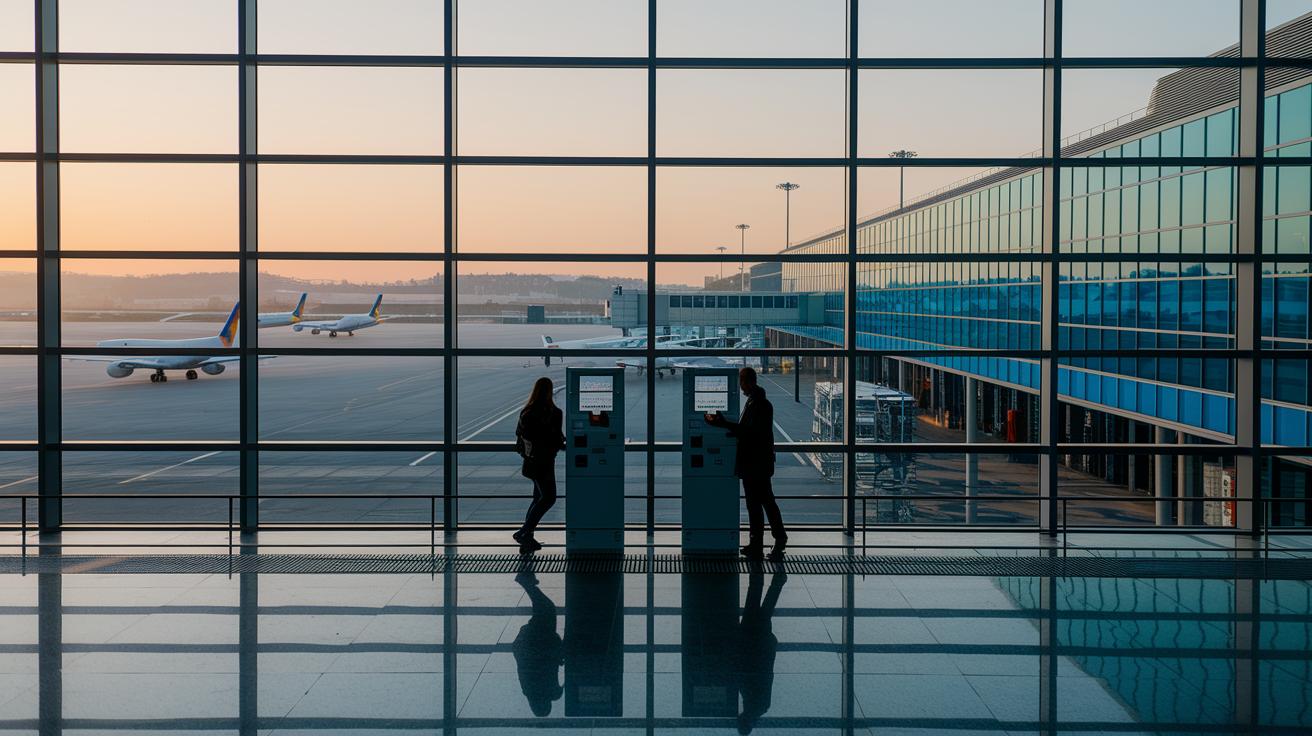
Airports earn money by charging fixed fees for essential services. They collect landing fees, terminal usage fees, and parking fees to cover runway and building upkeep. They also work with shops and advertisers to boost income through retail deals and concessions.
Airlines make their core revenue from ticket sales. Yet, they also use extra ways to earn cash. For instance, dynamic pricing changes ticket prices in real time based on demand. During peak travel times, fares can jump more than 20% in minutes as fewer seats remain. Loyalty programs reward regular travelers, and fees for baggage or seat upgrades offer added income, making their revenue reliable.
A study of privatized UK airports shows that revenue from non-flight services often exceeds what US public airports earn per passenger. This means airports focus on building extra income through retail and services, while airlines use flexible pricing and rewards to adjust to market changes.
| Revenue Source | Airports | Airlines |
|---|---|---|
| Aeronautical Charges | Fees for landing, using terminals, and parking | Main income from ticket sales |
| Non-Aeronautical Income | Money from retail shops, advertising, and parking | Extra fees like baggage and seat upgrades |
| Dynamic Pricing | Uses partner deals to improve terminal revenue | Changes ticket prices based on current demand |
| Loyalty Programs | Team up with service providers to boost spending | Rewards regular travelers to encourage repeat business |
| Revenue Diversification | Merges fixed fees with flexible extra income sources | Mixes stable ticket prices with variable extra fees |
Airports and airlines each design their revenue plans to suit their needs. Airports blend fixed service fees with deals from retail partners. Airlines rely on flexible pricing and rewards programs to meet customer demand.
Operational Cost Comparison: Key Cost Drivers for Airports and Airlines
Airports deal with heavy fixed costs from building and keeping large facilities. They spend a lot on runways, terminals, and support areas. These investments and constant repair work continue even when fewer passengers travel. Extra spending on security, ground services, and staffing adds to the burden. For instance, a terminal needs regular upkeep no matter how many people pass through it. Some private UK airports lower their revenue-cost ratios, but in return, they charge more for each landing. The mix of steady and changing expenses is key to an airport’s financial health.
Airport Cost Structure
Airports put a lot of money into long-term assets like runways and terminals. They do routine maintenance and keep staff on hand to ensure everything runs safely. Because their costs are mostly fixed, these expenses stay the same even when passenger numbers change. This forces airports to maximize every revenue source available.
- Spending on building and repairing infrastructure
- Costs for security measures and ground handling
- Expenses tied to staffing and passenger service
Airline Cost Structure
Airlines, however, see costs that shift with each flight. Fuel can make up 20–30% of their expenses. Wages for crews and other staff change with flight schedules and service needs. Whether an airline leases or owns its planes also affects spending, with leasing adding a more unpredictable cost. Plus, repairs and maintenance bills can spike during busy times or when fuel prices rise.
- Fluctuating fuel costs and usage
- Varying labor expenses for crew and other staff
- Changing costs from aircraft leasing and maintenance needs
In short, airports work with high, steady costs while airlines handle expenses that move with each flight cycle. This difference shapes how they handle busy periods and quieter times.
Financial Performance Metrics: Profit Margin Assessment and Sustainability Metrics in Aviation
A study of 20 European airports and airlines found that both groups earn similar returns on the assets they use and the money they invest. Airports spend a lot on building and maintaining infrastructure, yet they still deliver steady and strong profits. On the other hand, airlines often see big swings in their earnings, especially when the economy shifts. For instance, during a downturn, an airline’s profit margins might drop sharply, while an airport keeps a more consistent performance because its costs do not change much even if fewer people travel. Imagine an airport that stays bright and busy no matter the passenger count.
Airlines manage to maintain similar profit margins by adjusting some of their costs according to how busy they are. This means they can scale expenses like fuel and crew wages based on demand, helping to smooth out their financial ups and downs. When it comes to long-term stability, important indicators include the debt-to-asset ratio, how productively capital is used, and the steadiness of cash flow. Airports rely on a steady flow of cash to cover their high fixed costs and ongoing investments in infrastructure. In contrast, airlines must be flexible with costs that can go up or down, like fuel prices and labor expenses.
Detailed financial reviews show that even though airports and airlines face different obstacles, both work hard to balance safety and growth. Each sector adopts its own methods to remain economically strong in a market that is always changing.
Infrastructure and Capital Expenditure Dynamics: Investment Evaluation for Airports vs. Airlines
Airports pour money into long-term projects like runways, terminals, and security upgrades. They mainly pay for these projects through bonds (loans sold to investors) and fees from travelers. During the COVID period, limited government help forced them to rely more on market financing. This means airports have high fixed costs and must manage their debt and steady income from fees very carefully.
Airlines, however, use a different approach. They sometimes buy planes outright, which locks in a large sum of money, or they choose to lease them. Leasing can make up 10 to 15% of an airline's total costs. To keep their fleets modern and flexible, airlines mix leasing costs with funds raised from shareholders and traditional loans.
Both airports and airlines use debt financing but in very different ways. Airports invest in long-lasting infrastructure that pays off over many years, while airlines use a blend of buying and leasing to quickly adjust their fleets. This distinct planning style shapes how each adapts to changing market conditions.
Regulatory Impact and Market Structures: Competition, Privatization, and Policy in Airport and Airline Economics
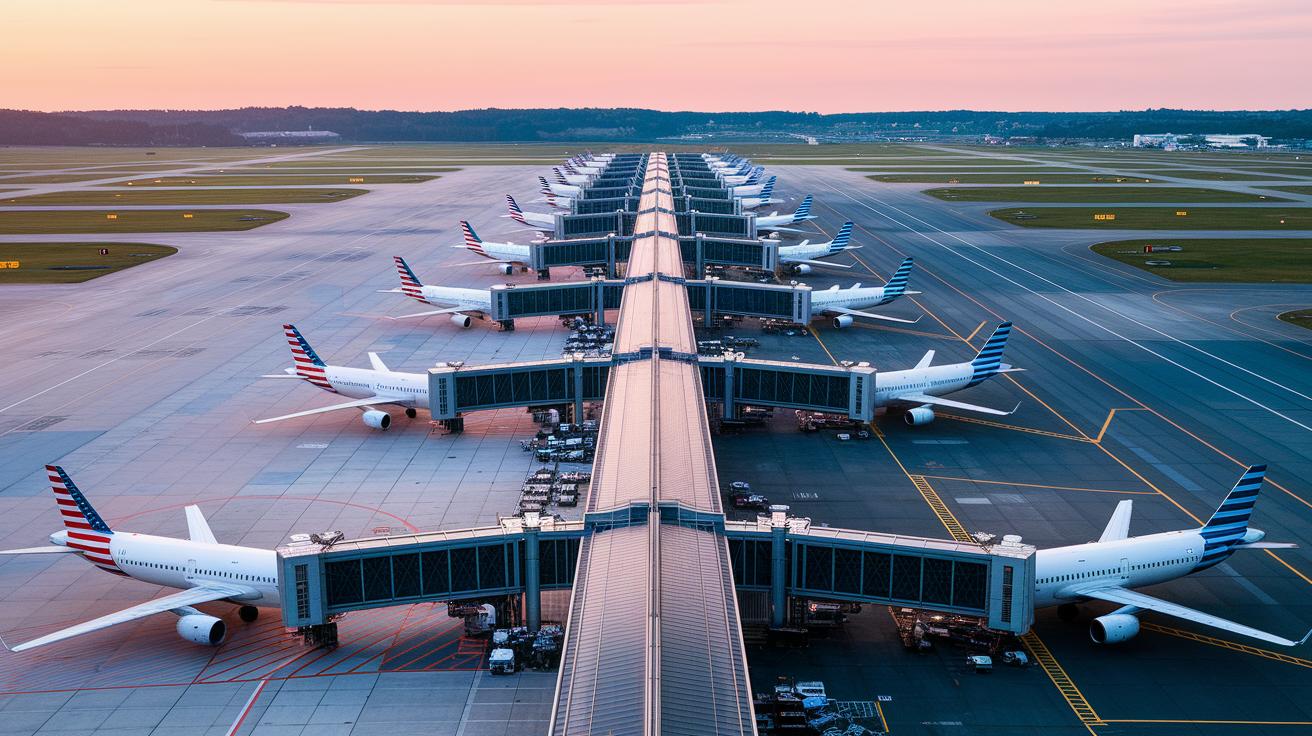
In the US, most airports are government-owned and use fixed fees to keep revenue steady. This setup offers a sense of stability but makes it hard to quickly adjust to market shifts. In Europe, many airports are privately run. They earn more per passenger, although each landing costs more. This private approach can boost revenue collection while still needing to balance community needs.
Airlines work in less regulated markets. They set their own ticket prices and manage schedules with more freedom. They work within rules about takeoffs and landings (slot controls) and agreements between countries (bilateral traffic rights) to adjust quickly when demand changes. During the pandemic, some airlines received targeted support to deal with high costs like fuel, labor, and maintenance.
A recent policy brief urges modernizing airport charges to better fit today’s market. It advises that letting prices vary can help cover high fixed costs and infrastructure expenses, making fees fairer during busy and slow times. Lawmakers continue to debate whether privately managed airports bring real efficiency or if they put local interests at risk.
Studies show that privatized airports can earn more per passenger, but they also face higher operating costs. This brings into focus the challenge of balancing competitive operations with broader public responsibilities.
Operational Efficiency and Network Strategies: Hub-and-Spoke, Load Factor, and Connectivity Economics
Airports and airlines rely on clever network moves to run more smoothly. Busy hub airports must juggle many flights and manage congestion, which can push up slot prices and even affect how much money shops inside the terminal bring in. For instance, a busy hub might charge extra during peak hours, which then shapes flight schedules and energizes the terminal’s retail scene.
Airlines often use a hub-and-spoke setup to get as many seats filled as possible, usually aiming for 75-85% occupancy. This method makes the most of each aircraft, saving money on every trip. A great example is when an airline tweaks its departure times at the hub so that almost every seat is sold, ensuring the flight earns its full revenue.
Some airlines, especially low-cost carriers, try a different approach by running direct, point-to-point flights. This cuts down on the time a plane spends on the ground and slashes airport costs. While these flights can mean lower ticket prices, they may lack the smooth, connected transfers offered by a hub system.
Smart scheduling and careful planning are key to making these strategies work. Coordinated flight times and well-planned connections help reduce delays and smooth the journey for travelers. In short, using these network strategies helps keep the system flexible, efficient, and more connected for everyone.
Final Words
In the action, this post broke down how airports and airlines manage revenues, costs, and investments. It highlighted differences in landing fees, ticket sales, and ancillary income, while also showing how CAPEX, operational expenses, and financing strategies influence profit and sustainability.
By comparing airport and airline economics, the analysis gives a clear picture for making smarter travel decisions. Readers gain practical insight on planning smoother trips with less stress. Enjoy applying these insights to plan effective, budget-friendly travel.
FAQ
How do airports and airlines generate revenue?
The revenue generation shows airports earn through landing fees, terminal charges, parking fees, and retail or advertising, while airlines rely on ticket sales and additional fees like baggage or seat upgrades.
What are the key cost drivers for airports versus airlines?
The cost drivers indicate airports face high fixed costs related to construction and maintenance, whereas airlines manage variable expenses including fuel, labor, and aircraft leasing.
How do capital expenditure and financing methods differ between the two?
The comparison highlights that airports invest heavily in runway and terminal infrastructure funded by bonds and user charges, while airlines often use equity raises and leasing arrangements to finance their fleets.
What operational strategies influence economic performance in aviation?
The strategies show airlines improve load factors through hub-and-spoke networks, while airports optimize slot pricing and manage terminal usage to boost retail and non-aeronautical revenue.
How do regulation and market structures impact airports and airlines?
The impacts point out that airports face regulated charges, especially in government-owned US facilities versus privatized European ones, while airlines operate in deregulated markets with slot limitations and bilateral traffic rights.
Which financial performance metrics are useful for comparing aviation economics?
The metrics explain that return on assets and capital employed help compare sectors, with airports often achieving steadier returns and airlines using operational leverage to maintain competitive profit margins.