

Ever notice how airlines are using the skies to boost their profits? Around the world, carriers are adding more flights, earning higher revenues, and setting smart prices to keep costs low. Growing traveler habits and extra spending on comfort are helping airlines make more money, even as cheaper flights fall by the wayside. This blog looks at how low fuel prices and a focus on premium services are changing the rules for air travel. Keep reading to see how these trends might affect you and the airlines.
Major Shifts in Airline Economics Worldwide
Airlines around the world are riding a wave of stronger economic activity. In the first quarter, they increased capacity by 3.5% and boosted revenue by 4.1%. With operating margins at 2.3% and global GDP rising by 2.9%, it’s clear that solid consumer spending is keeping the industry upbeat. Low fuel prices have helped carriers keep costs down, while more travelers are opting for premium services, boosting revenue quality.
Travelers who choose extra comfort are keeping premiums strong. Even though budget options are getting squeezed by rising costs, airlines are working hard to attract those willing to pay for extra perks. They’re fine-tuning fares to get the most out of each seat.
Key factors driving these trends include:
| Factor | Impact |
|---|---|
| Increased capacity and revenue | Signals a broad economic recovery |
| Healthy consumer spending | Boosts both leisure and business travel |
| Low fuel costs | Help keep carrier margins favorable |
| Growth in premium travel | Raises revenue quality per seat |
Think of a traveler who pays extra for more legroom and enhanced services on a long flight. Their choice helps airlines earn more money for each seat sold.
Carriers are now balancing more seats with improved services. They are focused on running their operations efficiently, managing risks, and finding new ways to increase revenue. These shifts show that global airline finance is evolving, bringing both new opportunities and some challenges for the future.
Fuel Price Volatility and Airline Economics Impact

Airlines have been able to boost their profits thanks to steady, low fuel prices that help keep their running costs low. But this low pricing can also bring challenges. When fuel prices jump unexpectedly, even a small rise can increase costs and shrink profits.
To handle these sudden changes, airlines are turning to hedging programs. Hedging is a risk management method that locks in fuel prices for a set time, kind of like buying a ticket that guarantees a fuel price, even if the market changes. At the same time, airlines are cutting wastes and improving how they run their operations. They work hard to trim extra expenses and boost efficiency in every part of their flights.
By using both hedging and cost-cutting measures, airlines can protect their profits even when fuel prices are unpredictable. These strategies act like a safety net and help keep operations running smoothly when market conditions change fast. Balancing risk and efficiency is key to handling today’s shifting fuel price landscape.
Regional Variations in Global Airline Economics
Latin America shows a strong profit record. In this region, both full-service and low-cost carriers post operating margins higher than the 2.3% global average. Think of a Latin American airline that saves money by running an efficient fleet and attracts premium travelers with upgraded services. These airlines benefit from lower operating expenses and flexible pricing, which helps them enjoy solid financial results.
Latin America Profit Leadership
Carriers in Latin America are taking advantage of strong customer demand and smart cost control to boost profits. Full-service carriers are investing in better onboard services to appeal to business and leisure travelers alike. Meanwhile, low-cost airlines sharpen their pricing tactics and target different market segments so they can balance low fares with extra revenue from add-on services. For example, one airline might improve its in-flight offerings while another adopts digital ticketing to work faster and smoother.
North America Low-Cost Strains
In North America, low-cost airlines struggle with tougher challenges. They face higher operating expenses and stiff competition from premium carriers. Rising labor costs and stricter regulations are taking a toll, pushing their margins below the global standard. These carriers now need to find new ways to cut costs and get more revenue while still offering value to their passengers.
| Region | Carrier Type | Performance vs Global Average |
|---|---|---|
| Latin America | Full-service and Low-cost | Above 2.3% |
| North America | Low-cost | Below 2.3% |
Technological Innovations Driving Airline Economics Efficiency
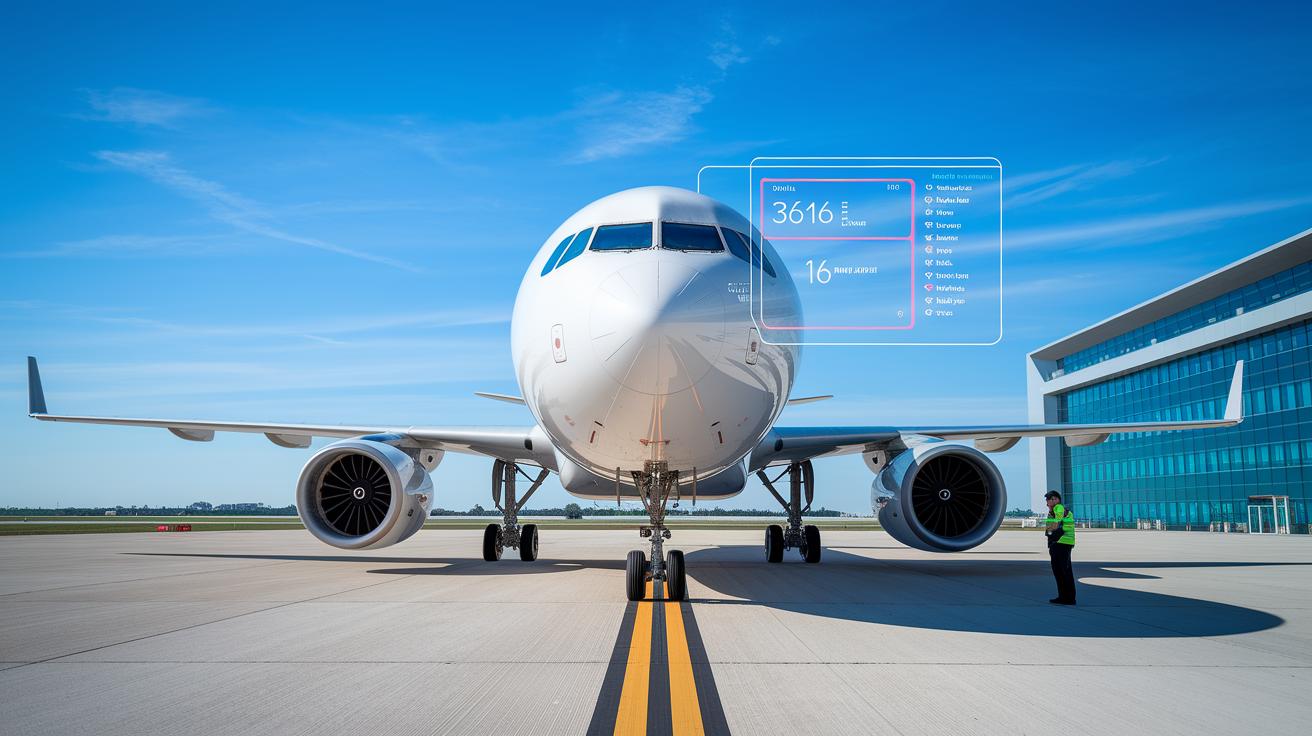
Airlines are putting extra savings from low fuel costs and strong premium demand to work on tech upgrades that cut costs. They’re investing in new engines that use less fuel and need less maintenance. For example, an engine upgrade can trim operating expenses by 5%, meaning jets run smoother and last longer.
Modern route planning tools are also changing how airlines schedule flights. These tools let carriers adjust plans based on where passengers are needed and even changes in the weather. This helps fill more seats and makes fuel use more efficient.
Digital ticketing is another game changer. Travelers can now use mobile boarding passes, enjoy automated check-ins, and get personalized offers for add-on services like extra baggage or in-flight meals. Such innovations simplify travel and boost profits.
Overall, putting money back into technology is proving to be a smart move. By combining efficient engines, smarter route planning, and digital tools, airlines cut costs and increase flexibility, setting the stage for steady financial gains.
Regulatory and Policy Influences on Global Airline Economics
Recent tariffs and trade rules are changing how airlines plan their schedules and set fares. When new fees lead to fewer travelers, carriers often cancel or repurpose flights, similar to how a busy flight can suddenly have empty seats because the journey becomes less attractive.
At the same time, ongoing delays in making aircraft and engines add extra risks. Airlines face rising costs when spare parts are hard to find, much like a repair shop that runs low on critical parts. This situation can lead to longer maintenance times and fewer flights overall.
To tackle these issues, carriers are trying different strategies. They are looking at better fuel management and cutting operational costs. Some even rethink their long-term route plans to match the changing market. In this environment, keeping up with regulatory trends is as important as checking your flight time because it shapes the airline industry's future planning and financial health.
Forecasting Future Patterns in Global Airline Economics

Airlines are in a fast-changing world. The Global Travel Outlook 2025 warns that U.S. domestic and international carriers might face big losses if current trends continue. Today, airlines use models to predict travel demand (basically, estimates of where and when people will fly) to plan how many seats to offer and how to set prices. This need has grown as U.S. travel habits shift and more travelers choose premium services.
Experts believe that cross-border trips and high-end offerings will shape the future market. Forecasts for the jet market stress the importance of balancing low-cost flights with better services for a more selective traveler. These models let airlines spot potential dips early so they can adjust flight times, prices, and marketing strategies to stay competitive.
Airlines that use both travel demand forecasts and financial prediction tools are better equipped to handle economic shifts and new regulations. By investing in new technology and efficiency improvements, carriers can ease potential losses even during uncertain times. With strong forecasting tools, airlines can quickly adapt and keep their operations steady, despite the challenges ahead.
Final Words
In the action, our blog explored how capacity gains, rising revenues, and evolving cost strategies shape airline economics. It examined shifts driven by fuel price changes and technological updates while comparing regional performance differences. We also looked at policy impacts and forecasted future industry adjustments that matter for smart travel choices. Global trends in airline economics offer guidance for anticipating changes that can ease travel planning and help save time and money. Optimism remains as carriers adjust strategies to create smoother travel experiences.
FAQ
Q: What do global trends in airline economics PDF documents typically cover?
A: The global trends in airline economics PDFs typically cover capacity growth, revenue increases, and margin improvements, highlighting how factors like low fuel costs and premium demand drive industry performance.
Q: What do global trends in airline economics 2022 reports reveal?
A: The global trends in airline economics 2022 reports reveal steady capacity and revenue growth, improved margins due to low fuel costs, and shifts in consumer spending that shape the industry’s performance.
Q: How is the airline industry outlook for 2026 characterized?
A: The airline industry outlook for 2026 is characterized by evolving market cycles, increased premium travel demand, and technological upgrades that boost efficiency and operational performance.
Q: What current trends are impacting the airline industry?
A: Current trends in the airline industry include rising passenger growth, technological advancements in ticketing and network management, and policy shifts that influence operational costs and market segmentation.
Q: What does the future of the aviation industry look like in the next 10 years?
A: The future of the aviation industry in the next 10 years focuses on advanced predictive models, adaptive capacity planning, and continuous technological innovation that together reshape operational strategies.
Q: What does an aviation industry overview typically include?
A: An aviation industry overview typically includes analyses of capacity, revenue, profit margins, and the key drivers—like low fuel costs and consumer spending—that maintain financial health across global carriers.
Q: How is the airline industry market size determined?
A: The airline industry market size is determined by measuring passenger volumes, revenue metrics, and the pace of international growth, which collectively illustrate the overall scale and expansion of the sector.
Q: What factors contribute to airline industry profits?
A: Airline industry profits benefit from low fuel costs, higher demand for premium travel, enhancements in technology, and effective strategies like fuel hedging that mitigate cost volatility.