

Ever wonder why delays and high fares go hand in hand at busy airports? Airline slots, take-off, landing, and parking times, set every flight’s schedule. When these slots run short, costs rise, and airlines pass on that extra expense to passengers. Our post breaks down how strict slot rules can lead to congestion and higher ticket prices.
Slot allocation’s dual impact on airline economics and airport congestion
Every flight needs three slots: one for take-off, one for landing, and one for parking. Airlines earn these slots through past practices or special agreements. This system lets them plan when their planes leave and arrive, while keeping ground movements in order. For instance, an airline may have a slot in busy times because it built up rights over many years. This tight system forces airlines to work with strict time limits while keeping safety a top priority.
The financial impact is clear. Higher fees for slots and extra congestion charges drive up overall expenses. In turn, airlines pass these costs to passengers and cargo shippers, affecting ticket prices and shipping fees. When a hub like Heathrow, for example, has few available slots, airlines lose scheduling flexibility and must pay even more to keep their slots. As charges rise and availability shrinks, carriers may cut flights or change schedules, squeezing profit margins and complicating budget planning.
Airport operations also suffer under this pressure. The gap between high demand for slots and the limited supply often leads to delays, flight diversions, and extra costs. Major hubs see crowded runways, while smaller airports like Bristol struggle to find enough parking stands for planes. This forces airlines to reschedule flights or use parking at other locations. Such shifts add confusion and worsen congestion, putting more strain on an already stretched infrastructure.
Evolution of slot coordination frameworks and congestion metrics

Back in the 1970s, state-run airports and government airlines ruled the skies. Airlines earned preferred take-off and landing times by simply sticking to a regular schedule. In other words, if an airline flew consistently, it could secure a busy slot during peak travel times. To bring order to a growing chaos, the Worldwide Airport Slot Guidelines (WASG) were created. This plan helped keep flight operations running safely even as traffic surged, though it did tend to favor long-established carriers.
Today, airports are sorted into three groups based on how busy they are. Level 1 airports let airlines operate freely, giving them much-needed flexibility. Level 2 airports tend to get crowded during the busiest parts of the day. And Level 3 airports follow stricter rules. Once an airport is labeled Level 3, the original slot rights held by established airlines become very strong, making it tough for new companies to get in on the action. This three-level system shapes how slots are given out and how congestion is managed, balancing smooth operations with the challenges of a competitive market.
Key drivers of airport congestion under limited slot supply
Air travel is growing much faster than the available runway, apron, and terminal space. Today, models using simulations and queuing theory (a way to study waiting lines) show how every minute lost adds extra costs for airlines. In simple terms, every minute of delay makes a carrier’s schedule more expensive. New economic models factor in things like how fast a plane can turn around and changes in market demand, giving us deeper insights than the old cost estimates.
Busy seasons and special events push airports to find fresh ways to manage limited slots. Airlines are trying techniques like computer-based slot reassignment and flexible scheduling that adjusts in real time. Studies clearly show that major hubs and smaller regional airports handle these challenges differently. At some busy airports, smart algorithms help cut down delays and keep extra costs at bay during peak times.
| Airport Category | Management Approach | Impact |
|---|---|---|
| Major Hubs | Advanced simulations using queuing theory | Lower delay costs with clear savings |
| Regional Airports | Real-time slot switching techniques | More efficient operations during peak times |
Flight slot allocation methods and economic trade-offs

Airlines have several ways to decide when they take off or land. Traditional methods use grandfather rights and historical precedence. This means airlines that have long served busy routes can keep their slots year after year. Other methods include auctions, where airlines pay the highest bid for a slot, and trading, where carriers swap times. For example, one airline might swap an overnight slot for a prime morning time with a partner, making its schedule run smoother.
Right now, the rules mostly help the well-established airlines. When an airport hits Level 3 (a slot-coordinated facility), the rules favor those with long-held slots. This can lead to an uneven setup, leaving new or smaller airlines with fewer good options. With limited choices, fresh competitors might struggle to find slots that work well, which can slow down innovation and push costs higher. This situation has many asking how we can mix old practices with a fairer system that gives every carrier a chance.
Auction models and slot trading offer some promising alternatives. Auctions let airlines openly bid for the times they value, while trading helps them agree on swaps that work for both sides. These market-based ideas could match slot use with real-time demand, even at busy airports. Although there isn’t a single auction standard everywhere yet, regional moves toward dynamic allocation point to a more flexible and transparent system.
Economic costs of slot scarcity and congestion for airlines
Airports charge extra fees for using specific time slots (the set times for takeoffs and landings) and for congestion when traffic piles up. Airlines pass these costs onto passengers and cargo shippers by raising ticket and shipping prices. When airports get busier, these fees can climb unexpectedly, forcing airlines to pay more and shift money from other areas.
A clear example is Dublin Airport. It started with a cap of 23 million passengers, then was raised to 32 million. However, by 2024 that limit was reached, so authorities froze new routes to slow the growth. As a result, airlines flying through Dublin now face tighter schedules and higher costs, making it more challenging to plan routes and manage expenses.
Delays and diversions further cut into airline profits. Longer waits on the ground mean more fuel burned and extra crew-time costs. Experts say even a short delay can add several hundred dollars per flight. When these costs add up across many flights, the financial impact is significant. Airlines are forced to adjust their schedules and make operational changes, but recurring delays still strain their bottom line.
Strategies for congestion mitigation and slot utilization optimization
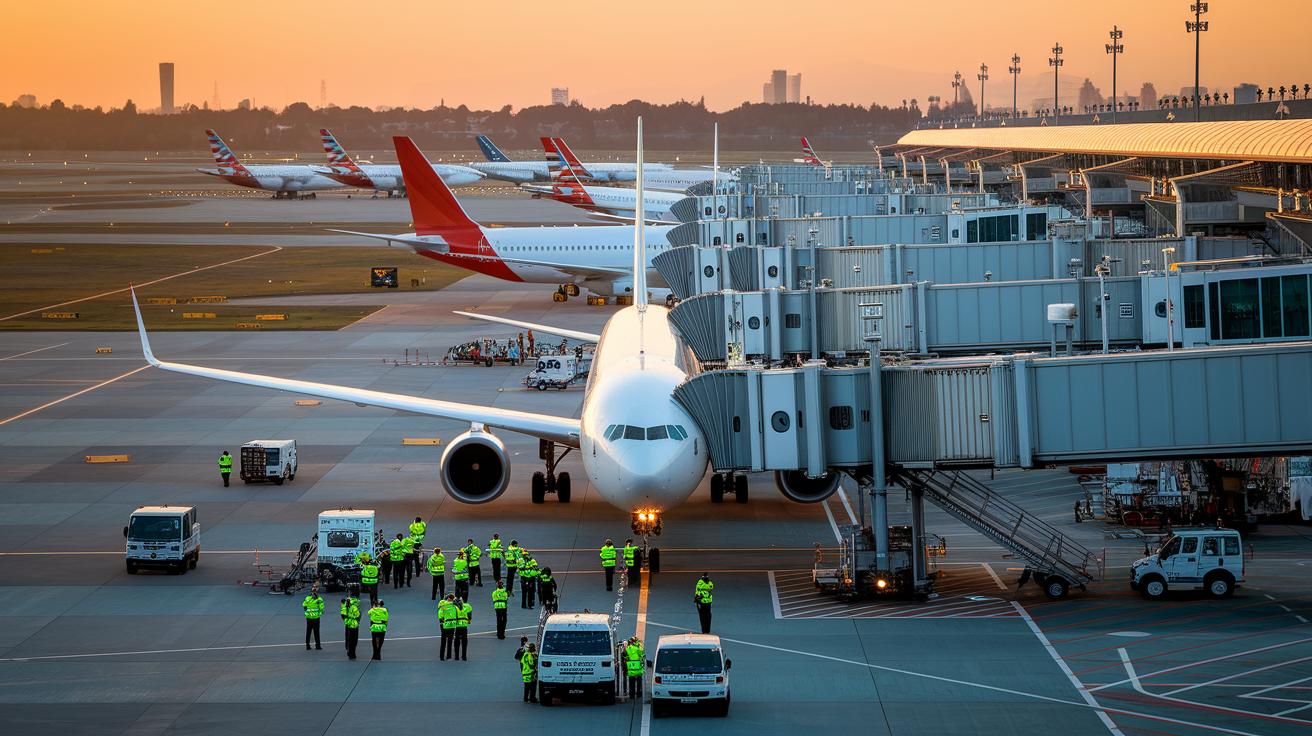
Airports and airlines are under growing pressure as traveler numbers soar beyond available capacity. This extra congestion leads to longer turnaround times and makes it harder to match flight slots with current travel needs. With delays increasing and costs rising, both are trying out new tools and methods. For example, an airline might adjust its flight schedule using clear, data-based insights during a busy period. That helps keep flights on time and eases stress on the system.
- Infrastructure expansion (like adding taxiways and stands)
- Dynamic slot re-assignment systems
- Congestion pricing during peak travel hours
- Collaborative decision-making platforms
- Predictive analytics for cutting down delays
Airlines and airports are also teaming up with other key groups. Carriers, air traffic controllers, and ground crews are working together to make faster, cost-effective decisions. New tech platforms that blend data from all parts of operations help teams spot where the delays start so they can act quickly.
Using these strategies leads to a smoother flow of aircraft both on the ground and in the air. Real-time adjustments cut idle time while better scheduling means fewer delays overall. By investing in modern equipment and smarter planning, airports can speed up turnarounds and lower expenses. For instance, when an airport uses predictive analytics (tools that forecast busy periods), it can adjust staffing and resources ahead of time. This cuts waiting times and keeps flights on schedule. In the end, this integrated approach eases current pressures and builds a stronger system for future demand.
Case studies: Heathrow and Dublin highlight slot economics and congestion
At Heathrow, limited space holds back growth. The airport’s small runway and apron force airlines into tight schedules that drive up costs. One carrier said, "Our expansion plans stalled because Heathrow simply doesn’t have space for additional stands." This shows how a lack of space leads to high fees and delays.
In Dublin, the airport broke its 32-million-passenger limit in 2024. That forced a pause on new flight approvals, so airlines had to change their routes. In Bristol, few apron stands mean planes often park off-site, adding extra costs. These examples show how managing slots directly impacts airline operations and planning.
Market-based reforms and policy options for slot allocation

Industry experts are now testing programs that mix auction techniques with flexible congestion pricing. In one study at a regional hub, this method cut peak delays by 12%. One specialist said, "Using real-time pricing along with market-led slot sales shows a clear way to ease rush-time overload at busy terminals." These trials give us a practical alternative to traditional slot allocation and help prevent too many flights from being scheduled by the same large carriers.
These changes are designed to fit evolving travel needs while giving more benefits to passengers. By combining pilot projects, auction style sales, and dynamic pricing, regulators can help keep fares competitive and operations smooth. For instance, tests at a mid-size airport improved flight connections and reduced crowding during peak times. This shows that small policy changes can balance better efficiency with real benefits for travelers.
Final Words
In the action, we saw how flight slot allocation shapes carrier cost structures and airport operations. The post broke down slot mechanics, examined economic impacts on carriers, and highlighted real-world congestion challenges at major hubs like Heathrow and Dublin. It also detailed strategies from dynamic slot re-assignment to predictive analytics. All these insights help explain the interplay between strict controls and operational delays. Optimizing airline slot economics and reducing airport congestion remain key to smoother, less stressful travel experiences.
FAQ
What are flight slots and how do they work?
Flight slots involve three coordinated timings—a takeoff runway slot, a landing runway slot, and a parking slot—that schedule flights. They help manage airport operations, but limited availability can lead to delays and increased costs.
How does slot scarcity impact airline economics?
Slot scarcity impacts airline economics by forcing carriers to pay extra congestion fees and absorb added delay costs. This raises operational expenses and pressures profit margins, affecting overall route profitability.
What causes airport congestion under limited slot supply?
Limited slot supply causes airport congestion when demand outstrips runway, apron, and terminal capacities. Peak travel periods intensify these pressures, leading to ground delays and diversions that disrupt service regularity.
What methods are used for allocating flight slots?
Slot allocation methods include using historical precedence, auction models, and secondary trading. These methods often favor established carriers, which can limit new entrants from accessing available slots.
What strategies help mitigate congestion and optimize slot usage?
To ease congestion and optimize slot usage, airports and airlines can invest in infrastructure expansion, dynamic slot systems, congestion pricing, collaborative decision-making, and predictive scheduling tools that match demand with available capacity.
How do Heathrow and Dublin case studies illustrate the effects of slot scarcity?
The Heathrow case shows how limited capacity stifles growth, while Dublin’s experience with passenger cap breaches illustrates how slot scarcity can force route freezes and create operational gridlock.
What market-based reforms are suggested for fairer slot allocation?
Experts propose market-based reforms such as auction-based slot sales, reducing slot concentration among incumbents, and employing congestion pricing models. These measures aim to create a more balanced and efficient slot management system.