

Have you ever wondered why your award ticket costs more than just your earned miles? Extra fees like government taxes, fuel surcharges, and phone processing charges can mount up quickly. This guide explains these hidden costs so that you know what to expect before you book. It breaks down each fee, helping you plan ahead and avoid surprises. When you know these details, you can control your travel budget and enjoy a smoother booking experience.
Key Components of Award Miles Booking Fees
When you book an award ticket, you're not just spending your miles. There are extra costs like government taxes, fuel surcharges, and other service fees. For example, governments can add taxes based on where you fly from or to. These taxes can be as low as $10 or as high as $200 each way. Then there are fees from the airline, such as fuel fees (YQ/YR) and security charges, that can add up quickly.
Timing matters too. If you book your flight less than 21 days before departure, you might face a last-minute booking fee. And if you decide to call instead of booking online, expect extra telephone or award processing fees. Imagine booking an award ticket and then being hit with a $50 fee just because you booked last minute. It really pays to plan ahead.
| Fee Type | Description |
|---|---|
| Government Taxes | Extra charges imposed by governments at departure and arrival points |
| Carrier Surcharges (YQ/YR) | Fuel and security fees added by the airline |
| Close-in Booking Fee | A fee for booking within 21 days of departure |
| Telephone Service Fee | Charges for bookings made over the phone |
| Award Processing Fee | Extra service charge for handling your award ticket |
Understanding these fees lets you better predict your total travel cost. By knowing the effect of government taxes and carrier fees, you can budget for the hidden expenses that come with award travel. Plan ahead to avoid extra charges from last-minute or phone reservations, and you can make smarter travel choices.
Award Miles Booking Fees: Taxes & Carrier-Imposed Surcharges

Government taxes can add extra fees to your award ticket even though you aren’t spending any miles. These fees vary by the departure and arrival countries. You might see charges like a departure fee, security charge, or airport improvement fee. Some regions also add an environmental levy or passenger duty. These extra costs can range from just a few dollars to as high as $75. Here are some common examples of these taxes:
- Departure fee
- Security charge
- Airport improvement fee
- Environmental levy
- Passenger duty
Airlines also add surcharges to cover costs like fuel and security. Every airline handles these differently. Some pass the full charge on to travelers, while others may cover part of it or even waive the fee altogether. For example, one airline might add a high fuel surcharge on international flights while another keeps award ticket fees lower by reducing these extra costs. This makes it important to check the details for your specific route before booking.
To find out more about how these charges work, take a look at the airline cost structure analysis at https://keysunair.com?p=1281. Understanding these fees can help you figure out the true price of your ticket and avoid any surprises when you travel.
Award Miles Booking Fees: Close-In & Service Charges
If you book your flight less than 21 days before departure, you usually face a close-in booking fee. This extra charge can add roughly $25 to $75 per ticket to discourage last-minute changes. For instance, a $50 fee on a nearly full flight can quickly boost your overall travel expenses when planning several segments.
- Close-in fee: A charge for booking within 21 days of your flight.
- Telephone booking fee: A cost added when you call an agent instead of booking online, often between $25 and $50 per ticket.
- Award processing fee: A set fee for making changes or reissuing tickets, which can vary by airline.
Booking online often helps you dodge these fees. Many airlines avoid the telephone fee, and sometimes they even waive the award processing fee when you book directly on their website.
Comparative Review of Award Miles Booking Fees Across Major Programs
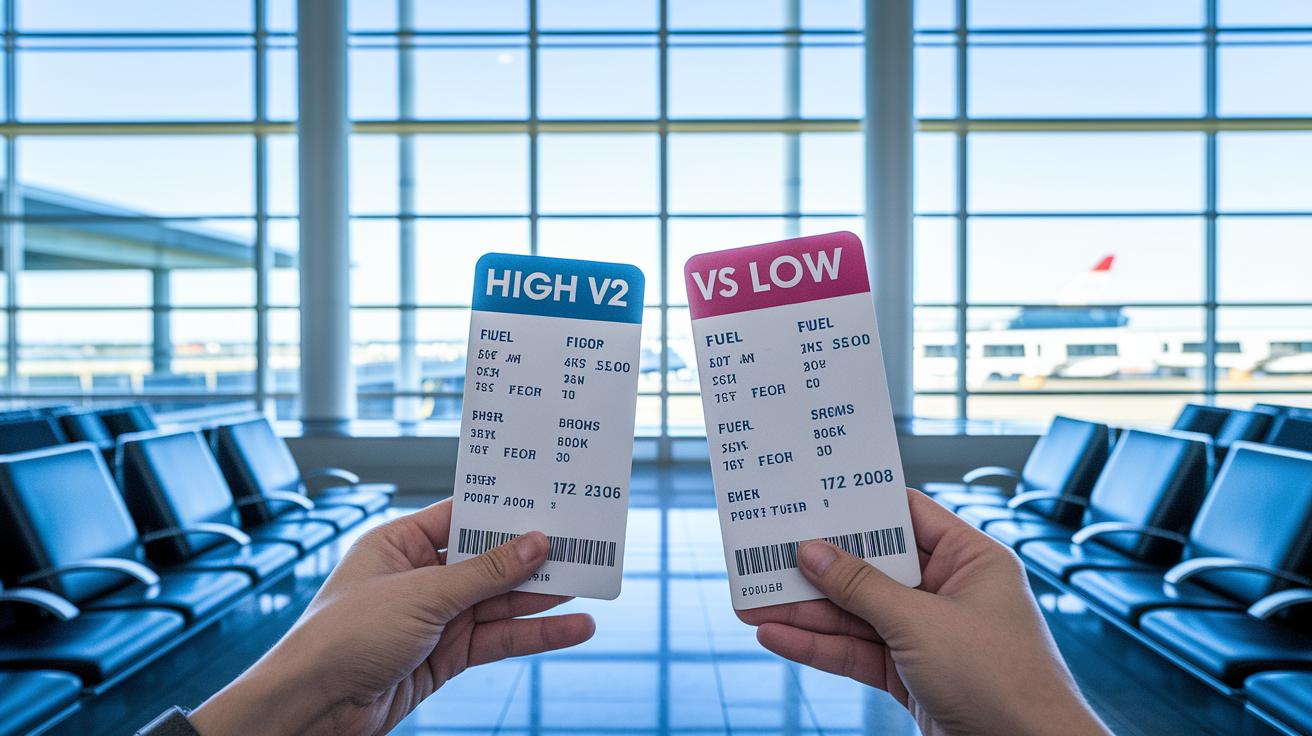
Different frequent flyer programs handle fuel surcharges very differently, and that makes a big difference in what you pay out of pocket. For example, Southwest Rapid Rewards and United MileagePlus usually do not add any extra fuel fees, so the cost of your award ticket stays pretty much what you expect. This means you can better predict your total cost. In contrast, British Airways Executive Club and Iberia Plus typically add large fuel surcharges that can sometimes go over $200 for each flight segment. This notable gap in fees makes it important to choose the right program if you want to avoid surprise charges.
Airlines also vary when it comes to last-minute booking fees and extra service charges. Some programs impose high fees if you book within 21 days of departure, while others let elite members avoid these extra costs. For instance, certain levels in the British Airways Executive Club may waive these fees, which helps cut down on last-minute expenses. Additionally, fees for telephone bookings or processing might add up if you don’t book online. By comparing these factors – fuel surcharges, close-in fees, and service charges – you can figure out which frequent flyer program offers better overall value. Knowing these differences helps you get the most from your award miles and avoid unexpected costs.
Strategies to Lower Award Miles Booking Fees
Booking your award ticket 21 days or more before you travel can help you avoid last-minute fees. It also helps to book online instead of calling by phone since that usually cuts out extra service charges. Look for loyalty programs that do not add fuel surcharges. This simple choice might save you hundreds of dollars and stretch your travel points even further. For more ways to save, check out "how to maximize award miles for travel."
Being flexible with your travel dates and trying a mix of cabin options can lower your fees, too. Choosing a different route with fewer extra charges might mean that your award redemption costs less. Sometimes a small change in your travel plans can help you avoid high fees and manage your points more effectively.
Keep an eye on any fee changes or program updates. When you stay informed, you can quickly adjust your booking strategy to get the best value for your points and avoid unexpected costs.
Calculating Your Award Miles Booking Fees Total

When you book award miles tickets, the total price includes both the miles you use and any added cash fees. These fees cover government taxes, airline surcharges, last-minute booking fees, and service charges. Often, the online booking screen shows each fee separately. This clear breakdown helps you check your travel costs and avoid surprises. For example, you might see separate amounts for security fees or a special charge for booking close to departure.
Here’s how to work out your final cost:
- Look at the list that shows your award fare and each fee.
- Add every cash fee to the cost measured in miles.
- Use the booking tool’s summary section to make sure nothing is missed.
Reviewing these details ahead of time gives you an exact view of your travel expense and helps keep everything transparent.
Final Words
In the action of booking award flights, travelers must get a grip on every fee. We broke down government taxes, carrier surcharges, close-in fees, and telephone service charges so you can see what makes up your final cost.
Reviewing each component on your online fare breakdown gives you a clear picture and helps you make smarter decisions. Keeping the award miles booking fees breakdown in mind sets you up for fewer surprises and a smoother travel experience.
FAQ
Award miles booking fees breakdown reddit
The award miles booking fees breakdown discussed on Reddit covers added costs such as taxes, fuel surcharges, and service fees. Travel users share firsthand details that can help you gauge total award flight expenses.
Award miles booking fees breakdown United
The United breakdown shows that beyond redeemed miles, you may face extra charges like government taxes, fuel surcharges, and close-in booking fees that differ based on route and booking timing.
Award miles booking fees breakdown American Airlines
The American Airlines breakdown explains that extra fees on award flights can include government taxes, fuel surcharges, and service fees, with some variability between online and telephone bookings.
Award miles booking fees breakdown Delta
The Delta award booking fees breakdown reveals that fees include taxes, fuel surcharges, and potential service or close-in booking charges that depend on your itinerary and how you book your ticket.
Flight taxes and fees Calculator
The flight taxes and fees calculator is a tool designed to help you estimate extra costs like government taxes and carrier surcharges, giving a clearer picture of your total expenditure on a ticket.
United Airlines miles chart pdf
The United Airlines miles chart PDF offers detailed insight into mileage requirements and fee examples for various routes, helping you plan and understand the extra costs linked to award travel.
United MileagePlus awards card benefits
The United MileagePlus awards card benefits include perks like bonus miles and fee reductions on award bookings, making it a useful tool for lowering your travel costs.
Taxes and fees on international flights
The taxes and fees on international flights consist of government-imposed charges such as security fees and airport taxes, along with carrier surcharges, sometimes adding hundreds to your travel costs.
How much does United charge for MileagePlus redeposit fee?
United charges a specific redeposit fee for MileagePlus award tickets reissued after changes, and the fee amount can vary with elite status and booking channels, so it’s best to check current rates.
Is it cheaper to buy points or just buy a ticket?
The choice between buying points and purchasing a ticket depends on your travel plans, current point promotions, and the overall cost breakdown; comparing both can reveal which option saves you more money.
How much of an airline ticket are taxes and fees?
Taxes and fees can make up a significant part of an airline ticket’s total price, sometimes reaching 20% or more, especially on international routes or flights with extra surcharges.
Why is there a convenience fee when booking a flight?
The convenience fee when booking a flight covers additional processing costs incurred by airlines or travel agencies, often applied to phone reservations or special service channels.