

Are giant U.S. airlines joining forces to speed up your next journey, or are they just chasing higher profits? With the four biggest carriers handling 60% of domestic flights, merging could be a smart way to lower costs and smooth schedules. Think of it like puzzle pieces fitting together, combining fleets might cut expenses and even offer more direct routes. This article looks at the pros and cons of these mergers and explains how they could change the way you fly.
Economic Foundations of Airline Merger and Acquisition Economics
The U.S. airline market has become very concentrated, with the big four, American (19.5%), Delta (16.3%), Southwest (17.4%), and United (12.9%), handling 60% of domestic travel. Decades of deregulation and smart mergers have pushed smaller airlines to join forces, much like puzzle pieces coming together.
When top carriers merge, they can share fixed costs like fuel and labor over a larger network, which can lower the cost per flight for travelers. In the past 20 years, these mergers have boosted the combined market share to 71.5%, showing clear benefits from their size.
European airlines are following a similar trend. Major carriers like Air France-KLM, Lufthansa, and IAG are waiting on regulatory green lights to consolidate their operations. Meanwhile, Ryanair chooses to grow on its own, sticking to its organic expansion plan without mergers.
Understanding airline merger economics means weighing both risks and rewards. Mergers can lead to more efficient operations, better cost management, and stronger bargaining power with suppliers. They often involve fleet integration and streamlined routes. Here’s a surprising fact: In the aftermath of deregulation, many smaller airlines were forced to either adapt through innovative mergers or face fierce market competition, reshaping the aviation landscape.
U.S. Airline Consolidation Trends and Market Share Impacts

Since airline deregulation in 1996, major mergers have boosted the top carriers' market share from 50% to 71.5% in just 20 years. These deals let airlines cut out duplicate routes and unnecessary flights, which means fewer layovers and quicker trips for travelers.
Even smaller airlines play an important role. JetBlue now holds about 5.3% of the market, while Spirit holds roughly 4.9%. This shows that consolidation isn’t just about saving money, it also helps airlines run more direct flights and offer schedules that work better for passengers.
Airline merger and acquisition economics soar high
Airline mergers lean heavily on valuation models to kick off deal-making. They use tools like DCF projections (which forecast future cash flows a bit like a weather forecast for money), comparable transaction multiples, and break-up value. These methods give a clear picture of a merger’s worth before any deal is signed.
Consider the Allegiant-Sun Country deal. Valued at $1.5 billion, with a share price boost of 20% over its value before the announcement, this case shows how vital these models can be. Analysts look at how merging fleets and overlapping routes might cut costs, often expecting a 5–10% drop in combined operating costs.
| Valuation Method | Description |
|---|---|
| DCF Projections | Forecast future cash flows and discount them back to present value |
| Comparable Multiples | Use similar transactions as benchmarks |
| Break-up Value | Estimate separate asset values if sold individually |
In short, these financial methods balance extra revenue expectations against integration costs. Analysts also check if improved route overlap, smarter fleet management, and smoother operations could drive the merger’s success. Each model and synergy estimate plays a key role in shaping the future of the industry.
Regulatory and Antitrust Considerations in Aviation Mergers
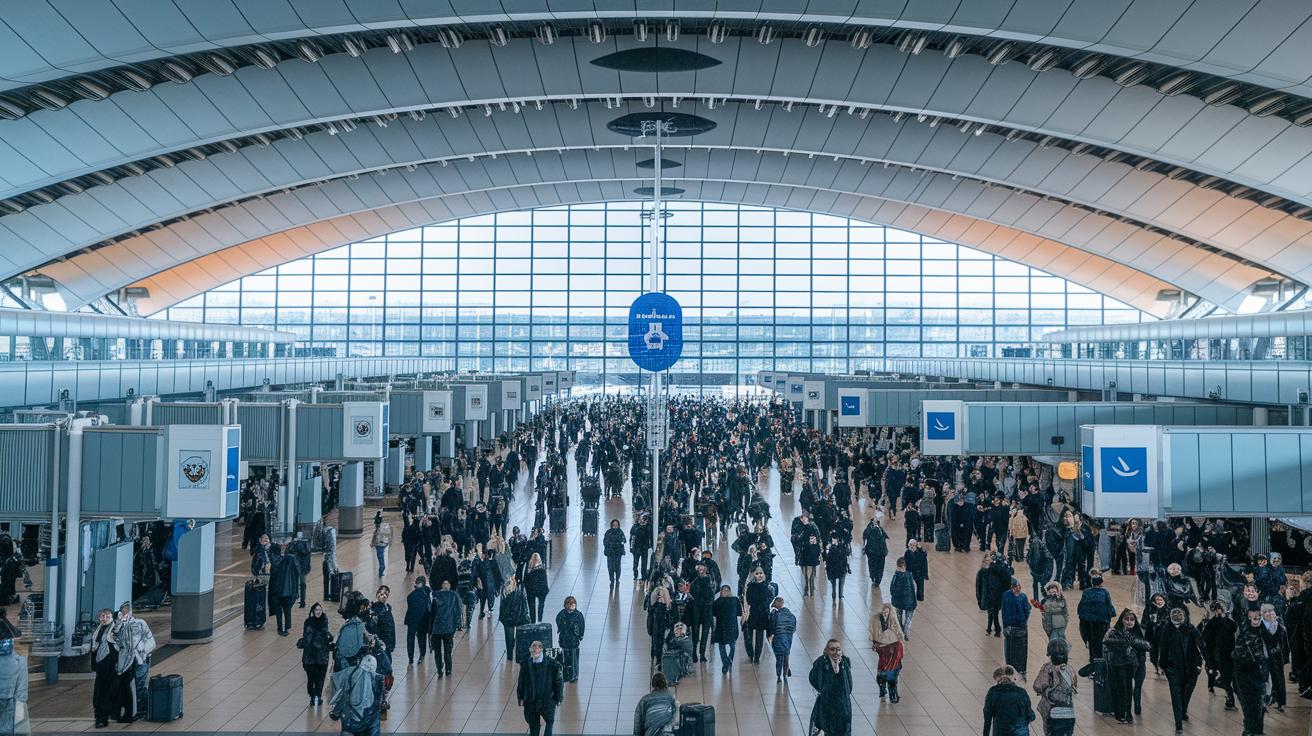
The Biden administration is taking a firmer stance on antitrust issues. The Department of Justice is watching airline deals very carefully to make sure less competition does not lead to higher prices. For example, the JetBlue-Spirit merger is under heavy review. While some in Florida say that merging could lower fares, the DOJ remains cautious about giving any airline too much market power.
Across the Atlantic, European regulators are working in a similar way. Airlines like Air France-KLM, Lufthansa, and IAG are facing strict reviews that can take 6 to 12 months. These checks are meant to protect passengers and smaller airlines by preventing fewer choices and price hikes.
Today’s rules focus on real competition. Regulators compare new deals to past mergers by looking at route overlaps and market share. They also consider whether the merged airline could have too much control when setting prices or block new competitors from starting up.
This careful approach means airlines must balance the promise of cost savings and better routes with the risk of running into regulatory troubles that might delay or even cancel big deals.
Airline merger and acquisition economics soar high
Major airline deals reveal what drives mergers both economically and strategically. The JetBlue-Spirit deal, announced on May 1, 2023, brings together a 10.2% market share and clashing union views. The TWU criticizes the deal for not protecting contracts, while AFA-CWA sees a chance for better wage guarantees. One union representative even said this method might change how labor costs shape merger decisions.
In another move, Allegiant bought Sun Country for $1.5 billion in a mix of cash and stock at about a 20% premium. With 195 airplanes in total, this deal pushes Allegiant into important markets in Mexico, Central America, and the Caribbean. Adding to this, an Amazon Air partnership now contributes 20% of Sun Country’s revenue until 2037, which helps spread out income and lower risks.
Meanwhile, Ryanair sticks to growing from within instead of merging with other companies. Their simple, lean approach avoids the antitrust issues that come with big mergers. Deals like these show that airline mergers balance labor issues, strategic partnerships, cost overlap savings, and market positioning.
Post-Merger Integration Challenges and Economic Outcomes
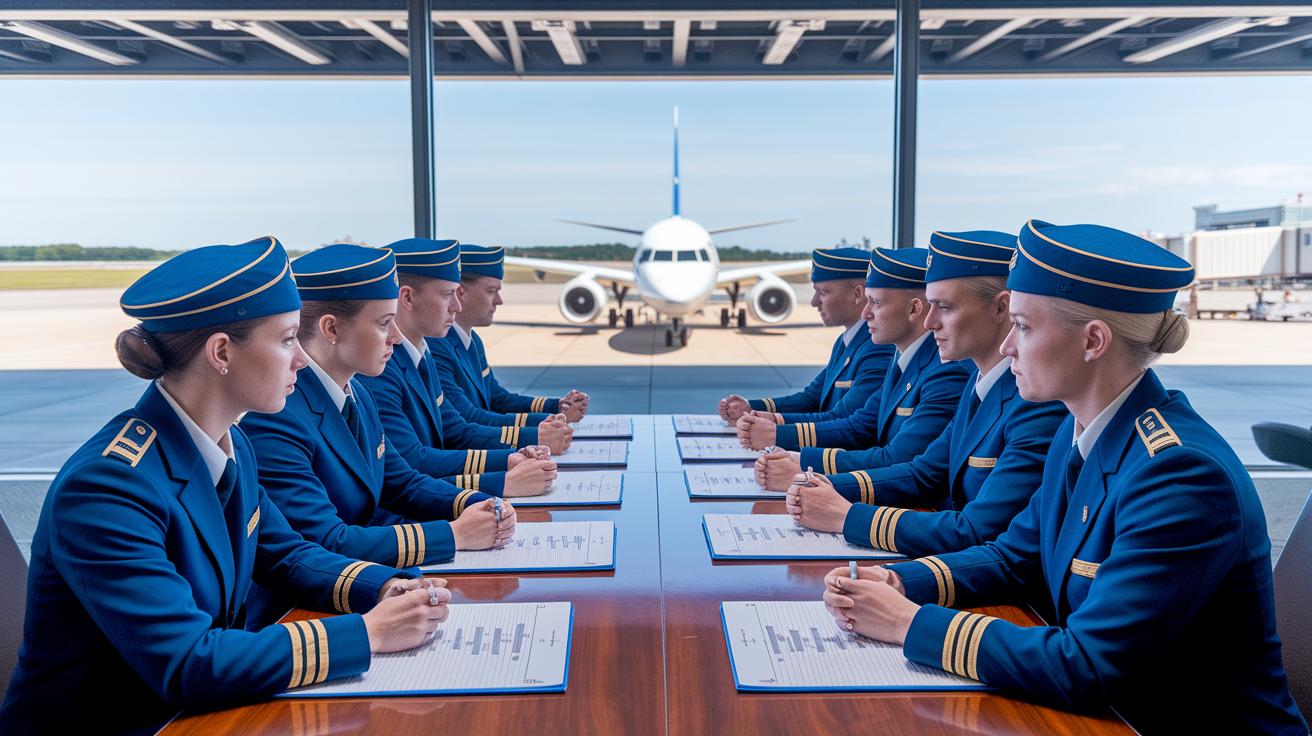
Airline mergers may promise smoother operations and lower costs, but the reality often falls short. Airlines are dealing with pilot shortages, fewer available aircraft, and rising fuel and labor costs that stress their budgets. Delays in receiving new Airbus planes only add to the challenge by reducing capacity and slowing down planned upgrades.
Combining fleets also means merging different work cultures. For example, 6,800 JetBlue flight attendants and 5,600 Spirit flight attendants now face tough negotiations over new contracts. This labor friction may delay the full benefits of the merger, stretching out the timeline for savings.
There are also hurdles when it comes to unifying IT systems, procedures, and safety protocols. Even if the projected savings look great on paper, the practical rollout can take time.
Key integration tasks include:
- Standardizing pilot training and crew management
- Merging maintenance operations and scheduling systems
- Coordinating union negotiations for a smooth transition
Airlines must tackle these challenges while keeping service quality high. Turning potential synergies into real cost cuts requires careful planning and constant adjustments. For more tips on handling route overlaps during integration, check out this guide on strategic decision making in airline route planning (https://keysunair.com?p=1081).
Future Outlook: Strategic Trends in Global Airline Merger Economics
Airline consolidation is shifting in new ways. In Europe, pending deals from groups like Air France-KLM, Lufthansa, and IAG signal that market share could change across the continent. With fuel prices going up and down and a surge in cross-border routes, airlines are eager to build larger networks and cut costs by sharing resources.
Around the world, experts see a move toward thoughtful, strategic mergers. While airlines like Ryanair stick with growing on their own, many carriers are looking at partnering up or merging to share risk and expand their global reach.
In the Asia-Pacific region, the push for mergers is also growing. Changing passenger numbers and stiff competition mean that sharing routes and joining forces can help airlines stay competitive. The future of airline mergers depends on finding the right balance between staying flexible and boosting efficiency.
These strategic shifts are set to change how airlines compete and how they serve travelers everywhere.
Final Words
In the action, we looked at how airline merger and acquisition economics shape market dynamics and growth strategies. We uncovered how market concentration, cost synergies, and regulatory reviews mold these transformative deals.
Case studies and analysis illustrated real-world impacts on fleet operations and pricing stability. These insights help clarify the forces shaping today’s air travel landscape.
This examination leaves us optimistic about strategic trends and smarter travel decisions ahead.
FAQ
Airline merger and acquisition economics pdf
The term “Airline merger and acquisition economics pdf” refers to detailed documents that outline how mergers affect market share, cost savings, and regulatory factors. They offer clear insights on industry trends.
Airline merger and acquisition economics 2022
The phrase “Airline merger and acquisition economics 2022” points to analyses from that year showing shifts in market concentration, cost synergies, and regulatory issues. These studies help readers understand current consolidation trends.