

Ever wonder how pilots handle tough math problems while soaring through the sky? They use a tool called the e6b flight computer to do all the complex calculations. This trusty device uses simple slide rules and pointers to quickly work out flight time, fuel needs, and wind changes. In short, the e6b gives pilots the fast, clear answers they need to keep flights safe and on schedule.
Key Features of the E6B Flight Computer for Pilot Calculations
The E6B flight computer is a go-to tool for pilots when they need to plan flights quickly. Its front shows a circular slide rule split into three parts: an outer scale, a middle disk, and an inner scale marked with hours and minutes. These parts work together to help with time calculations and unit conversions. There are also cut-out windows on the disk that let you easily check air density figures, which is handy for high-altitude airports or very hot days.
Three pointers on the device let you do multiplication, division, and time calculations directly. You can follow the printed formulas on the housing to work out numbers like fuel consumption and flight time. For example, if you need to figure out how long an 18-nautical-mile leg at 110 knots takes, you can use the slide rule and pointers to calculate it without any fuss. These printed instructions also support the manual pilot math methods that many exam candidates rely on.
Turn the E6B over and you’ll see a rotating compass rose beside a clear plotting grid. This side is used to find wind correction angles and adjust groundspeed. Simply mark the wind direction and speed on the grid, align it with your true course, and then read off the correct adjustments. With its easy-to-read formulas and straightforward pointers, the E6B remains an essential guide for both flight planning and exam preparation.
Wind Side Applications on the E6B Flight Computer
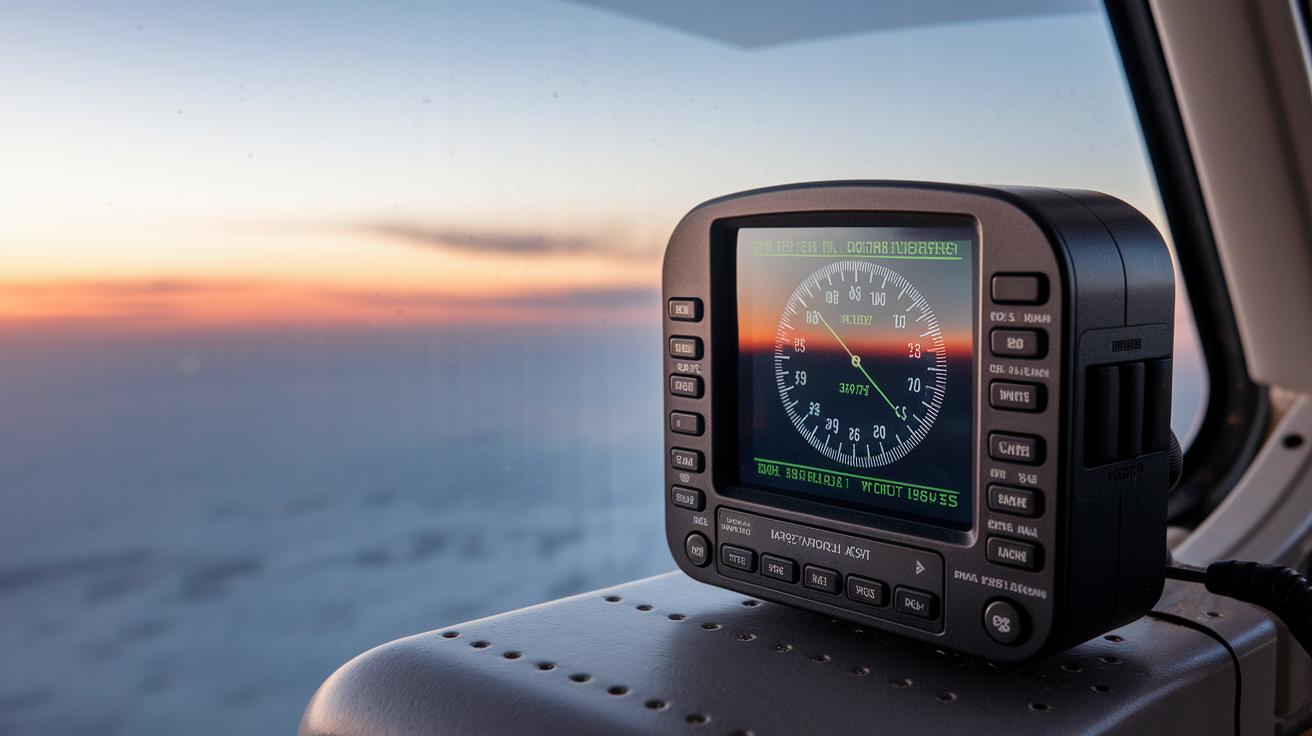
On the back of the E6B, you'll find a spinning compass face and a clear, see-through grid. This setup mimics the old manual wind triangle method. Pilots note the wind’s direction and speed, check them against their planned path, and use printed formulas and scales to quickly work out the wind correction angle and groundspeed.
Follow these steps for wind correction:
- Place the wind direction under the true index.
- Mark the wind speed along the radial lines.
- Turn the inner scale to line up with the true course.
- Check the wind correction angle at the index.
- Read the adjusted groundspeed.
This guide mixes essential details with step-by-step directions to help pilots adjust for the wind without repeating unnecessary information.
Flight Time, Distance, and Fuel Calculations with the E6B Flight Computer
The E6B shows a circular slide rule on its front, making preflight planning easier. Its clear scales and pointers help pilots work out fuel needs with simple multiplication and division. For example, if your plane burns 6 gallons each hour and you plan a 2.5‑hour flight, you just turn the multiplication pointer to see that you'll use about 15 gallons.
If you already know your fuel amount, say 20 gallons, and need to figure out how long you can fly safely, the division pointer is your friend. It divides the fuel by the burn rate to give you an endurance estimate. Simple instructions on the device, like "multiply rate by time to calculate consumption," make sure you get your numbers right.
Altitude, Density Altitude, and Performance Calculations on the E6B Flight Computer

Pilots rely on the front side of the E6B to handle critical altitude and performance math. Its slide rule design features clear windows that show air density readings, so you can quickly turn pressure altitude and temperature into density altitude figures. On a hot day at a high field, a plane’s performance can drop a lot if you don’t account for density altitude. This step is key for planning a safe takeoff and climb.
The E6B also works out true airspeed and adjusts for density altitude using its round scales. You simply enter your pressure altitude and the outside temperature into the marked windows. Those markings act like a built-in altimeter correction guide, helping you fine-tune your climb performance. For example, when departing from an airport with low pressure and high temperatures, the density altitude shown might be much higher than the actual field elevation.
A few careful turns of the pointers give pilots easy guidance on IFR techniques and elevation adjustments. This helps with planning climbs and approach speeds under various conditions. The printed formulas on the device serve as handy references that keep ugly calculations simple during the most important phases of flight.
Comparing Analog and Digital E6B Flight Computers
Mechanical E6B flight computers have been trusted by pilots for many years. Their round slide rules, printed scales, and clear pointers offer a hands-on way to work out key details like fuel burn, wind correction, and flight time. Many pilots say that once they learn the analog method, it gives answers faster than even a calculator in real time. For example, when measuring wind direction or switching units quickly, the tool’s physical design helps you every step.
Digital E6B apps bring a fresh twist to planning your flight. These apps work on smartphones and tablets, mimicking the old circular design with touchscreen dials and simple menus. They offer quick shortcuts for unit conversion, which makes tasks like drawing wind triangles or updating flight details much easier. Pilots also appreciate that digital tools can be upgraded with new features, keeping up with modern aviation needs. For instance, a pilot might opt for the digital version when needing to switch between different flight scenarios quickly using its simple interface.
| Feature | Analog E6B | Digital E6B App |
|---|---|---|
| Interface | Circular slide rule and wind grid | Touchscreen dial and menus |
| Portability | Lightweight, plastic disk | Runs on smartphone/tablet |
| Updates | Fixed printed formulas | Software patches and new features |
This side-by-side look shows that while the trusty analog tool is still very practical, digital options offer a modern way to plan and navigate your flight with ease.
Purchasing Options and Price Guide for the E6B Flight Computer
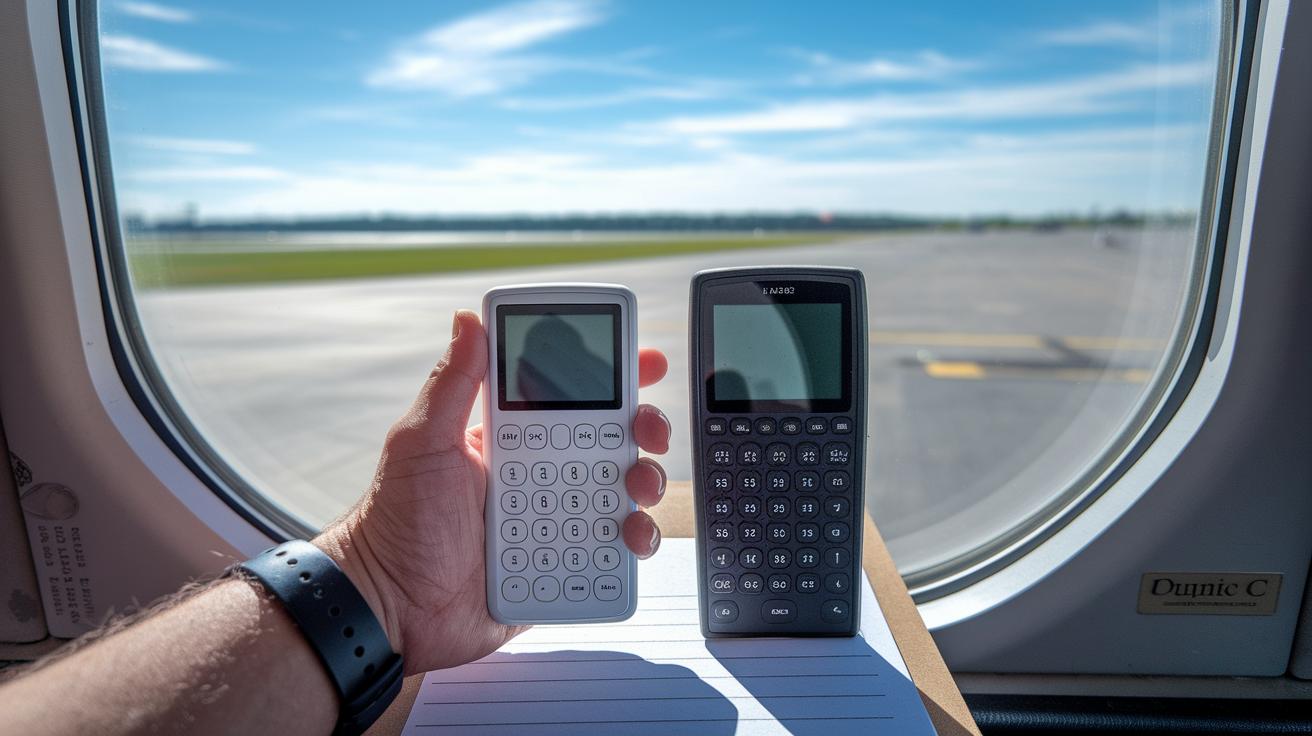
When picking an E6B flight computer, you can choose either a brand-new unit or a gently used one. New devices usually cost between $30 and $50, which gives you the comfort of fresh parts and warranty coverage. Many pilots favor well-known brands because they offer clear printed formulas and a sturdy build that meets strict aviation standards.
Used models are a wallet-friendly option, especially for student pilots or those on a tight budget. You can often find these from trusted aviation tool reviews and reputable second-hand markets. When buying a used unit, check that the printed scales are easy to read, and test that the pointers move steadily. A bit of wear might be acceptable, but any damage to crucial markings could affect your preflight calculations.
Here are some tips to help you choose the right E6B flight computer:
- Verify that the device shows genuine aviation-grade indicators.
- Inspect it for clear, intact printed formulas and scale markings.
- Test the pointer movement to ensure smooth operation.
- Compare prices from several reliable sellers.
- Look for detailed photos and clear return policies, especially when buying used.
Keeping an eye on market trends and price guides will help you pick a tool that is authentic, durable, and affordable for all your flight planning needs.
History and Design Evolution of the E6B Flight Computer
The E6B flight computer started as a simple slide rule used by early pioneers in the 1600s for quick math. It took on its modern form in the mid-1900s, quickly becoming a trusted tool for pilots during flight planning. Back then, a circular slide rule printed with formulas let pilots check fuel burn, flight time, and other key numbers in one glance.
Innovators like King and Jeppesen improved this tool by adding extra scales and pointers for quick multiplication and division. They even included small windows to show air density measurements, making it easier to adjust for the conditions. Today, despite the rise of digital apps, the E6B remains essential, with modern versions keeping the familiar layout while offering extra functions. These updates, compared with older models like the cx-3, show how this reliable tool has grown with technology yet stays true to its original purpose.
Final Words
In the action, this article covered everything from front-scale functions to the wind side setup and fuel math pointers. Small sections broke down how pilots use the rotating compass rose, cut-out air density windows, and multiplication pointers for vital calculations. The discussion even compared analog models with digital apps and offered purchase pointers. Through these clear steps, any frequent traveler can see the real value of the e6b flight computer. Keep this guide handy to make your next flight planning smoother and more confident.
FAQ
Q: What is the E6B flight computer online or app version?
A: The E6B online version and app let pilots perform flight calculations digitally, offering touchscreen dials and menus that mirror the mechanical version.
Q: What is the E6B calculator used for?
A: The E6B calculator is used to quickly work out time, distance, fuel, and wind corrections with simple scales and pointers.
Q: What does the E6B flight computer manual explain?
A: The manual explains how to use the printed formulas, scales, and pointers to perform essential flight planning tasks.
Q: How does an E6B flight computer tutorial help new pilots?
A: An E6B tutorial walks pilots step by step through using the device, from reading the scales to calculating fuel burn and wind correction.
Q: What does “E6B flight computer North Dakota” refer to?
A: The mention of North Dakota refers to regional availability or training programs that use the E6B for local pilot education and practice.
Q: What is the E6B Flight Computer CX3?
A: The E6B Flight Computer CX3 is a variant that may offer additional features or design updates suitable for modern flight calculations.
Q: Where can I buy an E6B flight computer on Amazon?
A: Amazon offers a variety of E6B flight computers, including both classic mechanical models and newer digital versions from trusted sellers.
Q: Is the E6B flight computer legal for use?
A: The E6B is legal for flight planning and training, and its use is widely accepted by instructors and regulatory bodies.
Q: Do airline pilots use the E6B flight computer?
A: Airline pilots use the E6B for quick in-flight calculations and training, making it a trusted tool in the cockpit.
Q: Which E6B flight computer is best for beginners?
A: Beginners typically benefit from a mechanical E6B with clear printed scales and instructions that simplify initial learning.
Q: Can an electronic E6B be used on an FAA test?
A: An electronic E6B can often be used on FAA tests if it meets testing rules, but it is best to confirm with the testing center for current guidelines.