

Ever wonder why some airlines make flying feel special? KLM knows the secret. They mix strong, reliable planes with modern comforts to give you a smooth trip.
With over 100 aircraft in its fleet, KLM chooses each plane for the route it flies. For quick hops around Europe, you might find yourself in a nimble regional jet. For long transatlantic journeys, a larger Dreamliner takes you across the ocean, paying a neat tribute to Dutch heritage.
This careful match of planes to routes means that every flight is focused on safety, quality, and a touch of charm, making your travel experience as effortless as possible.
KLM Fleet Overview and Composition
KLM flies more than 100 aircraft. The airline uses many types of planes to take you from short trips to long journeys. Their lineup includes 48 Boeing 737s (12 are 737-700s, 31 are 737-800s, and 5 are 737-900s), models like the Airbus A320neo/A321neo, 11 Airbus A330s, 15 Boeing 777-200s, 3 Boeing 747-400 freighters, 2 Boeing 787-9 Dreamliners, 1 Boeing 787-10 Dreamliner, and 65 Embraer E175/E190 regional jets. Imagine catching a nonstop flight from Amsterdam to New York on a 777-200 that is named after a UNESCO site.
KLM makes sure each airplane is used where it works best. They match the plane’s size and abilities with the right route. Below is a summary of the main aircraft groups, how many they have, their average age, and some of the popular routes:
| Type | Quantity | Average Age | Key Routes |
|---|---|---|---|
| Boeing 737 | 48 | ~15 years | Short-haul Europe |
| Airbus A320neo/A321neo | Unknown | Newer fleet | European city pairs |
| Airbus A330 | 11 | ~12 years | Medium-haul routes |
| Boeing 777-200 | 15 | ~20 years | Intercontinental trips |
| Boeing 747-400 Freighters | 3 | ~18 years | Cargo to Africa, South America |
| Boeing 787 Dreamliners | 3 | ~8 years | Long-haul to North America |
| Embraer Regional Jets | 65 | ~10 years | Regional hops |
KLM also gives its planes themed names to capture something special about Dutch culture. For example, Boeing 737s get bird names like Eagle or Hawk, and the Dreamliners sport names inspired by flowers to honor vibrant Dutch traditions.
Widebody Aircraft in the KLM Fleet
Boeing 777-200 Performance
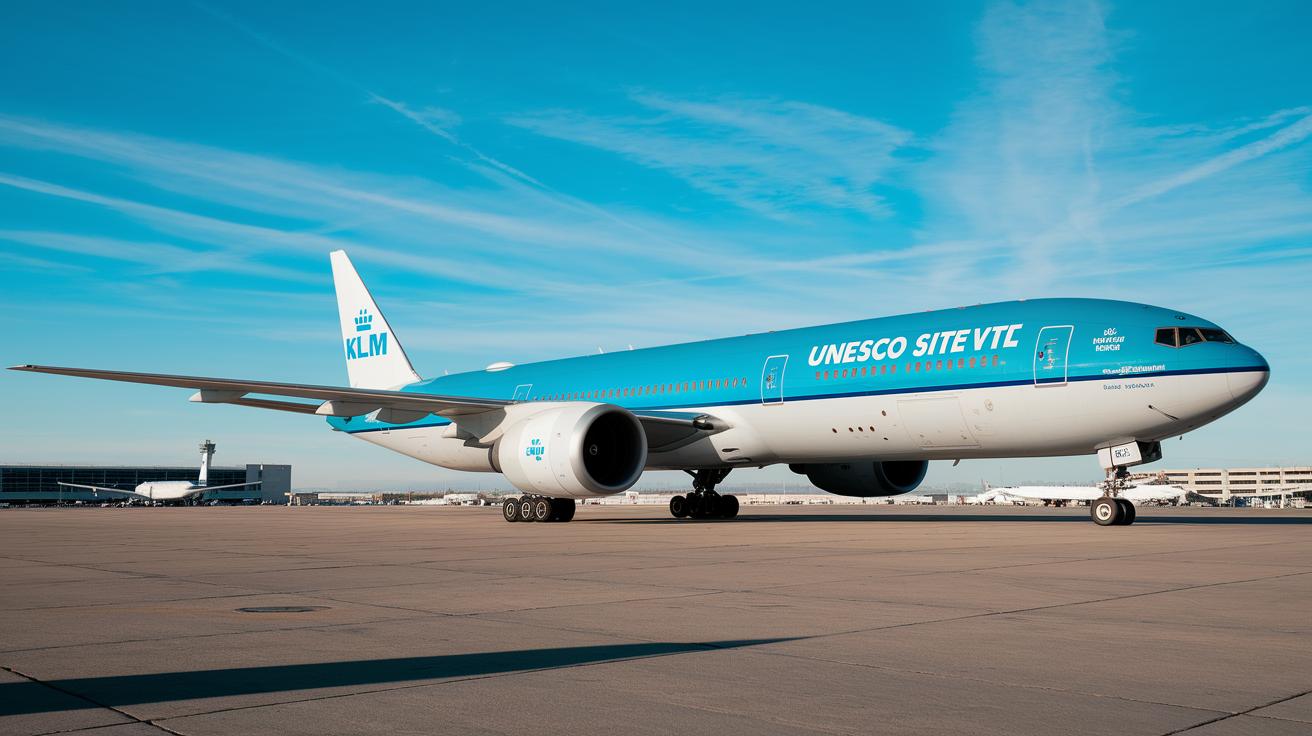
KLM flies 15 Boeing 777-200s built for long-haul trips. Each plane is named after a UNESCO site, reminding us of world heritage and culture. These aircraft are known for strong performance, easily handling busy intercontinental routes with plenty of room for passengers and cargo. They work well in all kinds of weather, keeping travelers comfortable throughout the trip.
Airbus A330 Configuration
KLM’s Airbus A330 has a flexible design:
- Standard two-class layout with about 280 seats.
- A high-density economy setup for extra capacity.
- Business class sections with lie-flat seats on long trips.
- Premium economy that offers extra legroom and comfort.
- Cabin designs that can be adjusted based on the route.
Dreamliner 787 Utilization
| Model | Range | Seats | Delivery Year |
|---|---|---|---|
| 787-9 | 7,530 nmi | 280 | 2015 |
| 787-10 | 6,430 nmi | 318 | 2019 |
KLM uses the 787 series to boost its fleet’s modern feel and route options. These Dreamliners are found on long-haul flights to places like Calgary, Los Angeles, and Chicago, offering better fuel efficiency and a smoother ride. Alongside passenger aircraft, KLM also operates three Boeing 747-400 freighters. These heavy lifters carry essential cargo to cities like Nairobi, Hahare, Johannesburg, and Santiago, proving the airline’s dedication to serving both travelers and cargo needs.
Narrowbody Fleet Breakdown in the KLM Fleet
KLM combines trusted Boeing airplanes with the newest A320neo/A321neo models in its narrowbody fleet. The airline flies 12 Boeing 737-700s, 31 Boeing 737-800s, and 5 Boeing 737-900s. The 737-900 is the oldest, with one built in June 2001 (PH-BXO). The latest addition, an A320neo/A321neo (PH-AXD built in December 2024), flies 2–4 daily trips to cities like Copenhagen (CPH), Berlin (BER), and Manchester (MAN). These planes are made for short trips and can adapt to changing seat and cabin needs.
KLM offers several seating styles in its narrowbody cabins that combine efficiency with passenger comfort. Here’s a quick look:
- 737-700: A compact layout with slimline seats for a cozy feel.
- 737-800: Standard economy seats with balanced legroom.
- 737-900: Built to carry more passengers while keeping a practical comfort.
- A320neo: Features modern interiors and flexible seating.
- A321neo: Provides extra legroom and ergonomic seats for longer flights.
| Model | Year Built | Daily Flights | Destinations |
|---|---|---|---|
| 737-700 | 2006 (avg.) | 3 | Multiple European city pairs |
| 737-800 | 2010 (avg.) | 4 | Key European hubs |
| 737-900 | 2001 | 2 | Major regional routes |
| A320neo/A321neo | 2024 | 2–4 | CPH, BER, MAN |
KLM has also improved its coach seating across these models. The new slimline and ergonomic designs give passengers more room and a more comfortable ride.
Regional Jet Operations in the KLM Fleet
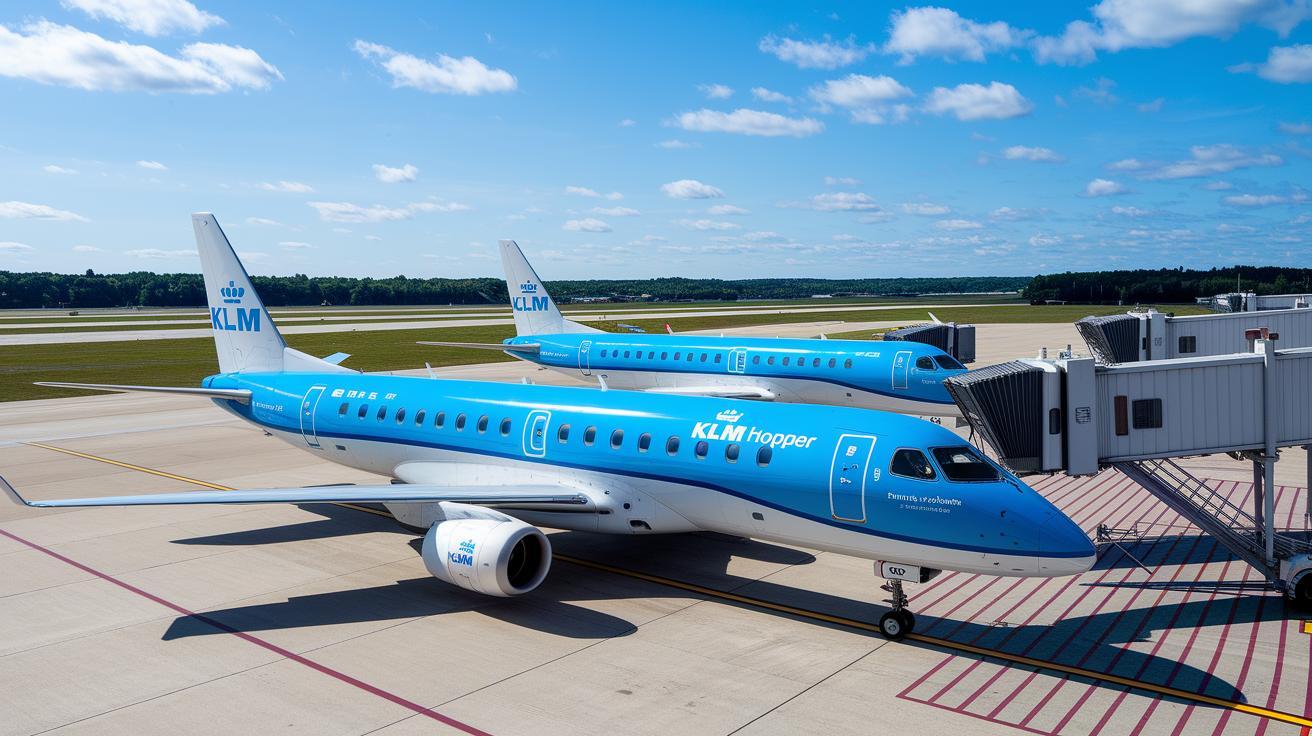
KLM Cityhopper flies 65 Embraer jets, including both E175 and E190 models. These planes power short trips between busy hubs like London City (LCY), Gdansk (GDN), Bologna (BLQ), and Hamburg (HAM). Business travelers enjoy a 1-2-1 setup that gives everyone direct aisle access, while the economy section uses a 2-2 layout to keep things comfy on crowded routes.
| Model | Capacity | Range | Main Routes |
|---|---|---|---|
| E175 | About 80 seats | Roughly 2,000 nmi | Short regional hops |
| E190 | About 96 seats | Close to 2,300 nmi | Busy urban corridors |
These jets are built for flexibility and speed. They easily link smaller cities with main airline hubs, letting KLM offer frequent and dependable service. With smart cabin designs and quick turnarounds, the Embraer fleet ensures smooth transfers and reliable connections for travelers on every trip.
KLM Fleet: Soaring Excellence in Air Travel
KLM’s first fleet set the stage for the airline’s modern success. The carrier moved from old propeller planes to early jets like the BAC 1-11 variants. These jets marked a big step forward, showing travelers that KLM was ready to embrace new technology. Models such as the Lockheed L-Electra II and L-Super Electra delivered steady performance and a touch of style during a time when air travel was just catching on. They not only boosted KLM’s ability to serve more passengers but also showed its promise to offer reliable and forward-thinking service.
From the 1960s through the 1990s, KLM’s partners like NLM Cityhopper and KLM UK also played a big part in its story. These subsidiaries used early jet models to improve connections between regions and build a strong reputation in the skies. Together, these innovative aircraft created a solid base for the airline’s future growth and steady operations.
| Aircraft | Key Contribution |
|---|---|
| BAC 1-11 | Reliable early jet service during the 1960s |
| Lockheed L-Electra II | Enhanced regional and commuter routes with comfort |
| Lockheed L-Super Electra | Improved flight performance and broader market reach |
| First NLM Cityhopper Aircraft | Laid the groundwork for specialized regional operations |
KLM also takes great care in preserving its aviation heritage. Through restoration projects and museum exhibits, vintage planes and memorabilia are showcased to keep the early spirit of air travel alive for future generations.
Cabin Configurations and Passenger Comfort Across the KLM Fleet
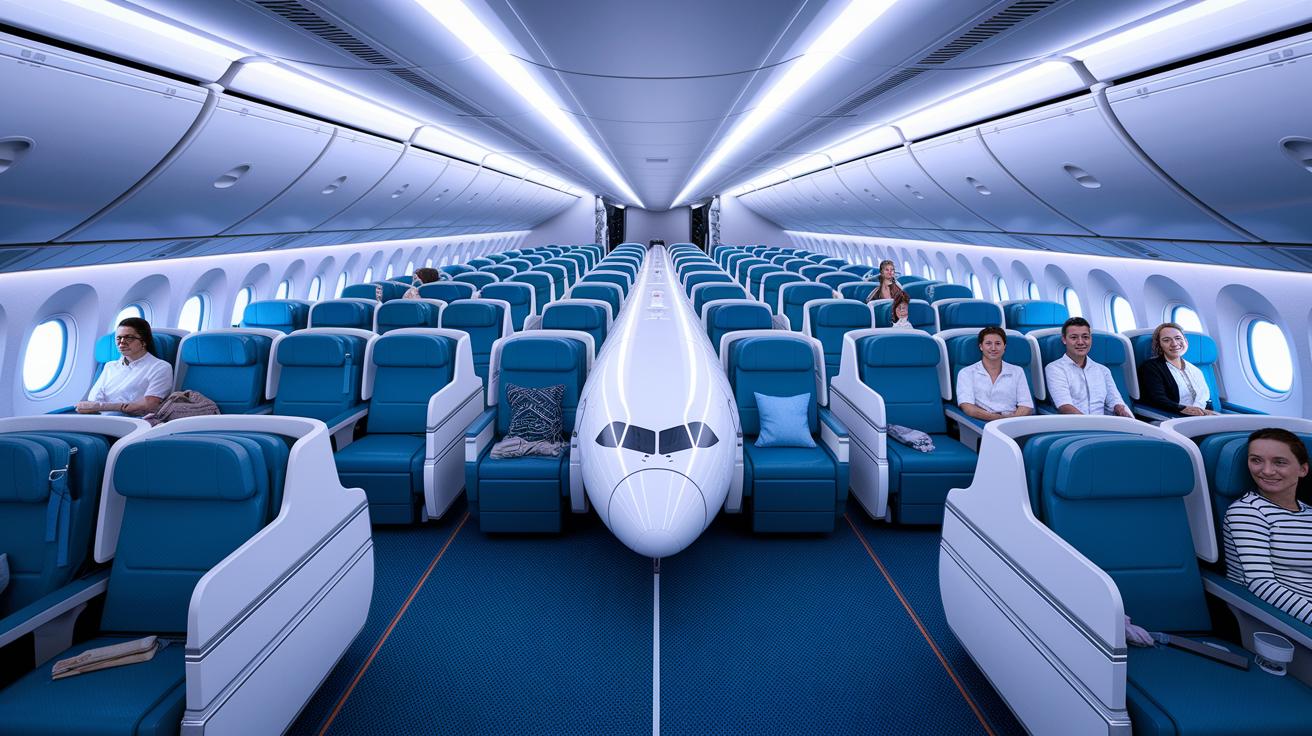
KLM customizes its cabins to fit different flight times and passenger needs. For example, the 777-200’s business class follows a 2-2-2 layout that offers plenty of space for working or relaxing. In contrast, the 787-10 Dreamliner features a 1-2-1 herringbone setup, giving every business traveler easy access to the aisle. Meanwhile, the narrowbody A321 offers modern slimline seats in coach, showing a move toward updated comfort levels. Each design ensures a unique experience whether you choose business or economy.
Key differences include:
- 777-200: Business class uses a 2-2-2 layout with ample room, while the economy layout focuses on practicality and ease.
- 787: The Dreamliner’s business class adopts a 1-2-1 herringbone configuration with direct aisle access, and the economy offers a traditional, streamlined design.
- A330: In business, lie-flat seats let you rest fully compared to the more compact setup found in economy.
- A321: Upgraded business areas provide extra comfort compared to the newly refined economy seats.
Recent updates in catering and onboard services boost the overall travel experience. Menus now feature Dutch classics that bring a local touch, while newer amenity kits, improved in‑flight entertainment, and adjustable lighting all add to the journey's ease and enjoyment.
Maintenance, Reliability, and In-Service Performance of the KLM Fleet
KLM sticks to firm maintenance schedules to keep every plane safe and reliable. They run in-depth C-Checks on both Airbus and Boeing models every 15 to 18 months. These checks inspect engine health, the aircraft's structure, and safety systems. For example, a Boeing 737-800 flies about 8,000 hours before it needs a full inspection. This careful timing helps avoid unexpected repairs and keeps operations running smoothly.
KLM also watches its planes closely during service. By using the planes a lot and practicing smart upkeep, the airline reaches a 99.4% dispatch reliability rate. The table below shows key check intervals and average flight hours for some aircraft:
| Type | C-Check Interval | Avg Flight Hours |
|---|---|---|
| Boeing 737-800 | 15-18 months | 8,000 hours |
| Airbus A320neo | 15-18 months | 7,500 hours |
| Boeing 777-200 | 15-18 months | 9,000 hours |
| Airbus A330 | 15-18 months | 8,500 hours |
This strong maintenance routine, along with high on-time and dispatch rates, shows KLM's promise to safe, reliable, and efficient air travel.
Future Fleet Orders and Modernization Plans in the KLM Fleet

KLM is stepping up its game by updating its fleet with new, efficient aircraft. The airline has committed to buying five Airbus A350-900s, with deliveries planned from 2026 through 2028. They are also keeping open the option to add 10 narrowbody planes, which will boost capacity on European routes. These orders aim to use less fuel, boost passenger comfort, and keep KLM competitive in a fast-changing market. On top of that, KLM is testing hybrid-electric power for regional jets, showing its drive toward greener technology.
- A350-900 firm order: Scheduled deliveries between 2026 and 2028
- Narrowbody options: Delivery timeline expected shortly after 2028
- Hybrid-electric regional jets: Pilot trials set for the coming years
These steps highlight KLM’s move toward energy efficiency and modern technology. Its trials with hybrid-electric propulsion are part of a broader plan to reduce emissions and improve fuel economy, ensuring a sustainable future for air travel.
Environmental Initiatives and Efficiency Ratings in the KLM Fleet
KLM is taking active steps to be kinder to our planet. They’ve made a few smart changes that help save fuel and cut down on CO2 emissions. For example, they added winglets to their 737s, which trim fuel use by about 5%. On the 787s, they use a mix of sustainable aviation fuel (SAF blends) that can lower CO2 emissions by up to 20%. Plus, at Amsterdam Schiphol, KLM has tried a special landing technique called continuous descent approaches to reduce engine waste and boost fuel efficiency.
Key eco innovations include:
- Winglets on 737s cutting fuel burn by 5%
- SAF blends on 787s lowering CO2 emissions by up to 20%
- Continuous descent approaches to optimize fuel usage
KLM is committed to reaching its CO2 reduction goals by rolling out these eco-friendly practices across its entire fleet. The airline is always exploring new ways to cut emissions, making sure every step counts toward cleaner skies.
Strategic Deployment and Network Planning of the KLM Fleet

KLM carefully assigns its planes to cover routes around the world. Its modern 787-10 Dreamliners handle busy flights across the Atlantic, connecting cities like Calgary (YYC), Los Angeles (LAX), and Chicago (ORD). These long flights run alongside the reliable Boeing 777-200s that serve routes in Asia and Africa where many travelers need to go.
For medium-length trips in South America, KLM uses the comfortable Airbus A330. Short flights within Europe are flown by the trusty Boeing 737s. Additionally, smaller regional jets, such as Embraer models, help keep local connections frequent and convenient.
| Aircraft | Route Type | Weekly Flights | Sample Destinations |
|---|---|---|---|
| 787-10 Dreamliner | Transatlantic | 14 | YYC, LAX, ORD |
| 777-200 | Intercontinental | 21 | Asia, Africa |
| Airbus A330 | Medium-haul | 18 | South America |
| Boeing 737/Embraer | Regional | 35 | Short-haul Europe |
KLM matches its flight schedules with traveler habits and load factors (how full a plane is). They regularly adjust flight times and frequencies to meet both peak and everyday travel needs.
Final Words
In the action, this piece tackled a detailed klm fleet overview, from widebody wonders and narrowbody efficiency to regional jet operations and environmental measures. It broke down complex details like maintenance cycles and emerging orders into simple insights that help with quick travel decisions.
The article also shared practical tips on passenger comfort and strategic network planning, making the klm fleet story clear and useful. The result is a positive look at how smart upgrades and thoughtful design make air travel smoother.
FAQ
What is the KLM Cityhopper fleet?
The KLM Cityhopper fleet refers to KLM’s regional division, which operates 65 modern Embraer E175/E190 jets. These aircraft cover short-haul routes, linking secondary European cities to KLM’s global network.
What is the size of KLM’s fleet and what types does it include?
KLM’s fleet totals over 100 aircraft, including narrowbody models like Boeing 737s and Airbus A320neo/A321neo, widebody jets such as the 777, A330, 787 Dreamliners, plus a dedicated regional fleet.
What is the status of the KLM A350 in the fleet?
KLM has placed firm orders for five A350-900s, with expected deliveries between 2026 and 2028. These aircraft will contribute to the airline’s modernization and environmental efficiency efforts.
What does KLM fleet 2025 represent?
The term “KLM fleet 2025” highlights planned fleet updates and new aircraft delivery schedules aimed at modernizing the lineup and enhancing operational efficiency ahead of future travel demands.
What is the 24‑hour rule for KLM?
The 24‑hour rule for KLM allows passengers to change or cancel their bookings within 24 hours of purchase without incurring a fee, offering extra flexibility for travel plans.
Does KLM still use the 747?
KLM continues to operate 747‑400 freighters, though they no longer run the 747 passenger variant. The freighter models serve crucial cargo roles on key international routes.
Does KLM have any A380?
KLM does not operate any A380 aircraft. Instead, the airline has focused on a diverse mix of narrowbody, widebody, and regional aircraft to meet various route demands.
What is the oldest plane in the KLM fleet?
The oldest active aircraft in the KLM fleet is one of the Boeing 737 models, with some 737‑900s dating back to the early 2000s, maintained with regular checks to ensure continued safety and reliability.