

Ever wonder what would happen if flight rules disappeared overnight? In 1978, the U.S. government changed air travel with a new law. Before that, the government set prices, routes, and even decided who could fly. When President Jimmy Carter signed the act, airlines could finally set their own fares and choose their own routes. This new freedom sparked fierce competition, lowered prices, and allowed new companies to enter the market. Air travel was changed forever.
Foundations of the Airline Deregulation Act of 1978
In October 1978, President Jimmy Carter signed a law that changed air travel in the United States. This law ended years of strict government control over prices, routes, and who could fly by breaking up key parts of the Civil Aeronautics Board. It gave airlines the power to set their own fares and choose their routes, paving the way for a more open and competitive market.
Supporters in Congress worked hard to pass the law because they believed that lifting old restrictions would spark new ideas and lower costs for travelers. The new rules let airlines keep current routes for a while while allowing new carriers to create their own schedules. Imagine airlines once tied to rigid guidelines, suddenly free to design their own flight plans, a change that reshaped the industry.
By cutting back on strict government rules, airlines could try different pricing strategies, offer new services, and expand their networks. This law set up a framework for competition that helped build the dynamic, cost-conscious air travel market we know today.
Regulatory Landscape Before the Airline Deregulation Act of 1978

Before 1978, U.S. domestic flights were run by the Civil Aeronautics Board (CAB), which set flight routes, schedules, and fares. Ten major carriers handled almost 90% of the traffic while eight smaller regional airlines split the rest. Starting a new route meant waiting for CAB approval, and airlines sometimes waited years. One carrier even took eight years to launch a San Diego–Denver service.
This era is often called the golden age of passenger aviation because everything was predictable, even if it was limited. Fixed pricing and pre-approved schedules left little space for new ideas or cheaper options. Airfares stayed high because they mostly covered the cost of keeping to strict rules rather than following market trends. In short, this tight control made a market that struggled to meet new customer needs or face fresh challenges.
Key Provisions of the Airline Deregulation Act of 1978
The law took away the Civil Aeronautics Board’s power to set fares and decide routes. Before deregulation, airlines had to wait years to launch new routes. With the new rules, carriers could quickly act on promising markets.
Airlines could decide which markets to serve and change flight times or services based on passenger demand. Merger limits were lifted too, letting carriers form partnerships and work together more easily. This shift helped create faster and more efficient travel options.
Regulatory oversight moved to the Department of Transportation (DOT). The DOT now uses a performance-based approach, setting clear goals that airlines must meet while giving them more flexibility. Market competition is reviewed regularly to make sure that new entrants and pricing strategies keep the industry competitive and focused on customers.
Overall, these changes gave airlines the freedom to adapt quickly. They paved the way for a more open and competitive airline market that transformed domestic air travel.
Market Transformation After the Airline Deregulation Act of 1978
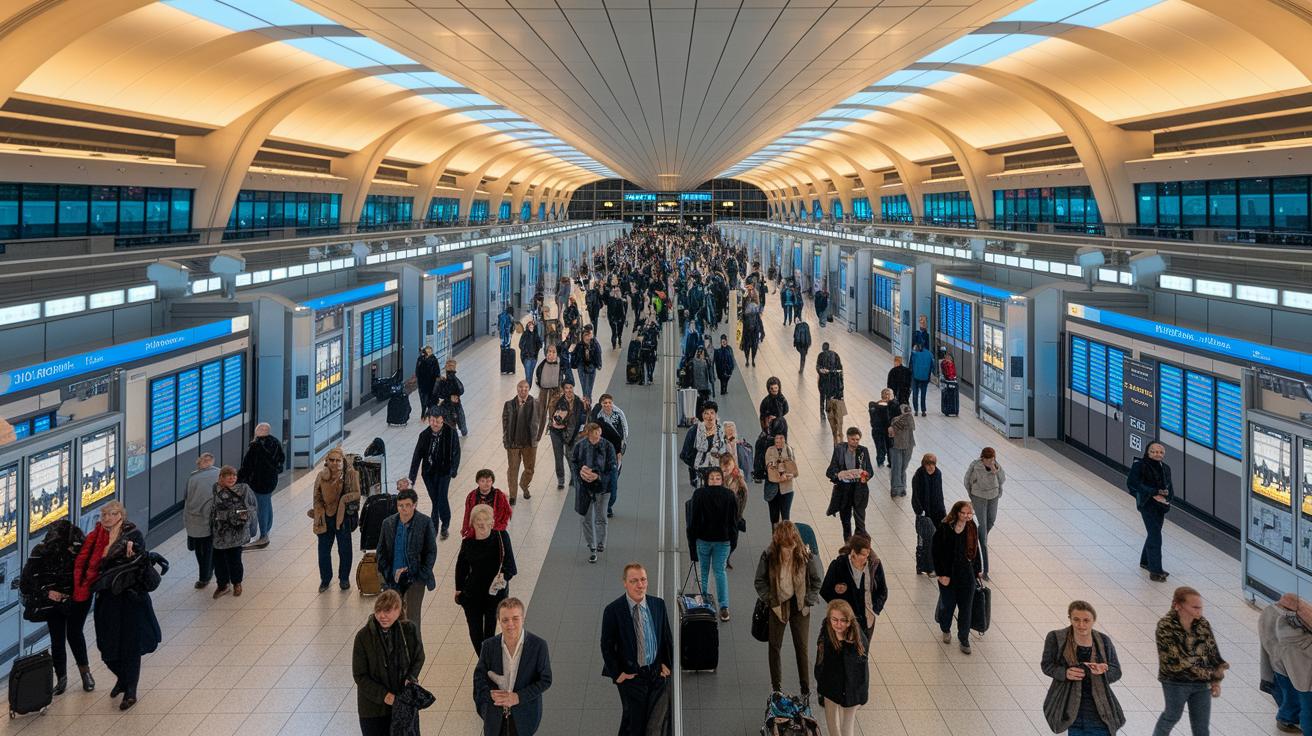
After deregulation, the U.S. domestic air travel scene changed fast. When old rules were loosened, more people started buying tickets, and the big, long-established airlines lost their hold. New low‑cost carriers burst onto the scene, stirring up fierce competition. Airlines reworked flight times, launched new routes, and tried out fresh ticket pricing ideas. By the mid‑1980s, many new airlines entered what used to be a tightly controlled market. This sudden change gave passengers more choices and slashed fares.
Continental Airlines Case Study
Continental Airlines shows just how quickly things shifted after deregulation. Before 1978, airlines often waited years to introduce new routes. But once the rules changed, Continental moved fast to start flights that had been on hold. This sudden boost helped raise its profile and pushed other companies to look at routes that had been ignored. Continental’s rapid moves set a new standard and sparked a race among both big names and new budget carriers.
Over time, the many small competitors began merging into a few large players. Today, about four major carriers handle roughly 80% of domestic flights. Even with this consolidation, tough competition and traveler-friendly prices still shape the industry. The lasting impact of the 1978 reforms is clear.
Airlines also rethought how they priced tickets and reached out to customers. They introduced more flexible ticket options, streamlined route approvals, and worked hard to improve service quality. These smart changes mean that regular travelers across the nation continue to reap the benefits.
Benefits and Drawbacks of the Airline Deregulation Act of 1978
The Airline Deregulation Act changed domestic air travel in a big way. Airfares dropped by about 20–30% over time, giving travelers more affordable options. More flight routes became available and increased competition pushed airlines to run more efficient operations and offer varied schedules. This shift also helped new discount carriers step in, providing everyday flyers with more choices and cheaper fares.
Think of a traveler who once had few and expensive flight options. Today, they can pick from many affordable flights that fit their schedule. This change reshaped how people travel every day.
However, the changes came with challenges. Many airlines started to focus on the most profitable routes, leaving less busy areas with fewer services. The market also became crowded at first and then saw a few large carriers take over, which sometimes affected service quality. There were also waves of bankruptcies and labor disputes, leading to mixed experiences for passengers. As big airlines grew stronger, smaller companies struggled to maintain a similar level of service.
In short, while the Act brought lower prices and more flight options, it also led to market imbalances and uneven service quality that still impact travel today.
Long-Term Legacy of the Airline Deregulation Act of 1978

For over 40 years, airline deregulation has changed the way carriers do business. The new rules sparked many mergers and eventually left only four main airlines by 2000. Studies show that the cost to fly each seat dropped about 25% over a 20-year span. This plummeting cost helped airlines lower their expenses and made flying more affordable for millions of Americans. Think of it like this: ticket prices dropped because airlines could flexibly adjust to what travelers needed.
The law also changed how people think about government oversight in the aviation world. Big events like 9/11, the 2008 financial downturn, and the COVID-19 pandemic tested the industry and proved that rules must be flexible. These tough times taught important lessons that now shape the future of aviation policy. Today, debates focus on how to roll back some regulations while still keeping strong protections for passengers.
Final Words
In the action, we examined the origins and impact of a major shift in U.S. aviation policy, spotlighting the airline deregulation act of 1978. We reviewed how its legislative changes moved control over fares and routes from government agencies to carriers. We also looked at how the move reshaped competition and transformed market dynamics. This review gives a clear picture of past shifts that still influence today's travel choices. The outlook remains bright for travelers armed with smart, timely insights.
FAQ
Frequently Asked Questions
Airline deregulation act of 1978 pros and cons
The airline deregulation act of 1978 pros and cons include lower fares and more route choices, while challenges like service quality issues and market consolidation have emerged over time.
Airline Deregulation Act of 1978 effects
The airline deregulation act of 1978 effects involve a major shift in the industry with increased competition, more entrants, and changes in pricing strategies that altered how air travel operates today.
Airline deregulation act of 1978 pdf
The airline deregulation act of 1978 pdf contains the official legislative language, offering detailed legal texts that outline the law’s clauses on fare deregulation and market entry for aircraft carriers.
Airline deregulation act of 1978 summary
The airline deregulation act of 1978 summary highlights the removal of federal control on fares and routes, allowing market forces to drive competition, leading to greater service options and ultimately lower prices.
Airline deregulation act of 1978 explained
The airline deregulation act of 1978 explained shows how it shifted pricing and route approvals from government regulation to free competition among carriers, paving the way for a more dynamic air travel market.
Airline deregulation Act of 1978 Reddit
The airline deregulation act of 1978 Reddit discussions bring user opinions and shared experiences, often highlighting the law’s impact on lower fares, increased competition, and the overall transformation of the airline industry.
Airline deregulation act of 1978 full text
The airline deregulation act of 1978 full text is the complete legislative document available through government archives, detailing every provision including the removal of fare controls and market entry restrictions.
Airline deregulation act of 1978 date
The airline deregulation act of 1978 date is marked in October 1978, when President Jimmy Carter signed the act to initiate a shift towards a more competitive airline market.
What was the purpose of the Airline Deregulation Act of 1978?
The purpose of the airline deregulation act of 1978 was to eliminate strict federal controls over fares and routes, thus promoting competitive practices and encouraging a more efficient and consumer-friendly airline industry.
Who benefited the most from airline deregulation?
The airline deregulation act of 1978 benefited low-cost carriers and air travelers, as reduced restrictions led to increased competition, resulting in lower fares and more flight options for consumers.
What positive outcome occurred due to the Airline Deregulation Act?
The airline deregulation act of 1978 produced a positive outcome by lowering airfares and expanding travel options, as competition spurred innovation in route management and service delivery.
Who was president when airlines were deregulated?
The airline deregulation act of 1978 was signed under President Jimmy Carter, marking a significant policy shift that paved the way for contemporary, competitive air travel.