

Have you ever imagined your next flight as a mini getaway? Airline seats are turning into smart spaces that add comfort and fun. New cabin features adjust to your needs, and clear digital screens make flying more engaging. Airlines like Qantas are testing fresh designs that mix style with efficiency. Soon, your seat might serve as a personal cinema and a work nook all at once. This post explains how new inflight tech is set to change the flying experience.
Delivering Tomorrow’s Inflight Experience: Key Future Trends in Airline Amenities and Technology
Airline cabins now play a big part in how travelers view a brand. New designs not only look good but also enhance comfort and boost efficiency. Qantas, for example, is preparing for Airbus A350-1000 deliveries in 2027 and is planning ultra-long-haul flights with special wellness zones under its Project Sunrise. This shows that modern cabin design goes far beyond style, it reshapes the entire travel experience.
Future inflight amenities will focus on several key areas:
- Immersive entertainment using VR/AR for a full 360° view
- Seamless connectivity with 5G, satellites, and cloud platforms
- Smart comfort by improving seating and ambient lighting
- Sustainable systems that use eco-friendly materials and advanced filters
- AI-driven services that adjust to passengers in real time
These upgrades make travel more engaging and running flights more efficient. Airlines are already mixing HD/4K screens and high-quality audio with personal devices to offer a media experience that suits individual tastes. Adopting these trends not only ups the comfort and interaction for passengers but also helps airlines run smarter, thanks to data-driven tweaks. As these technologies spread, early adopters will lead the way in setting new standards for passenger experience and sustainability, marking a big step toward fully integrated, next-generation travel.
Revolutionizing In-Flight Entertainment with Future In-Seat Technology
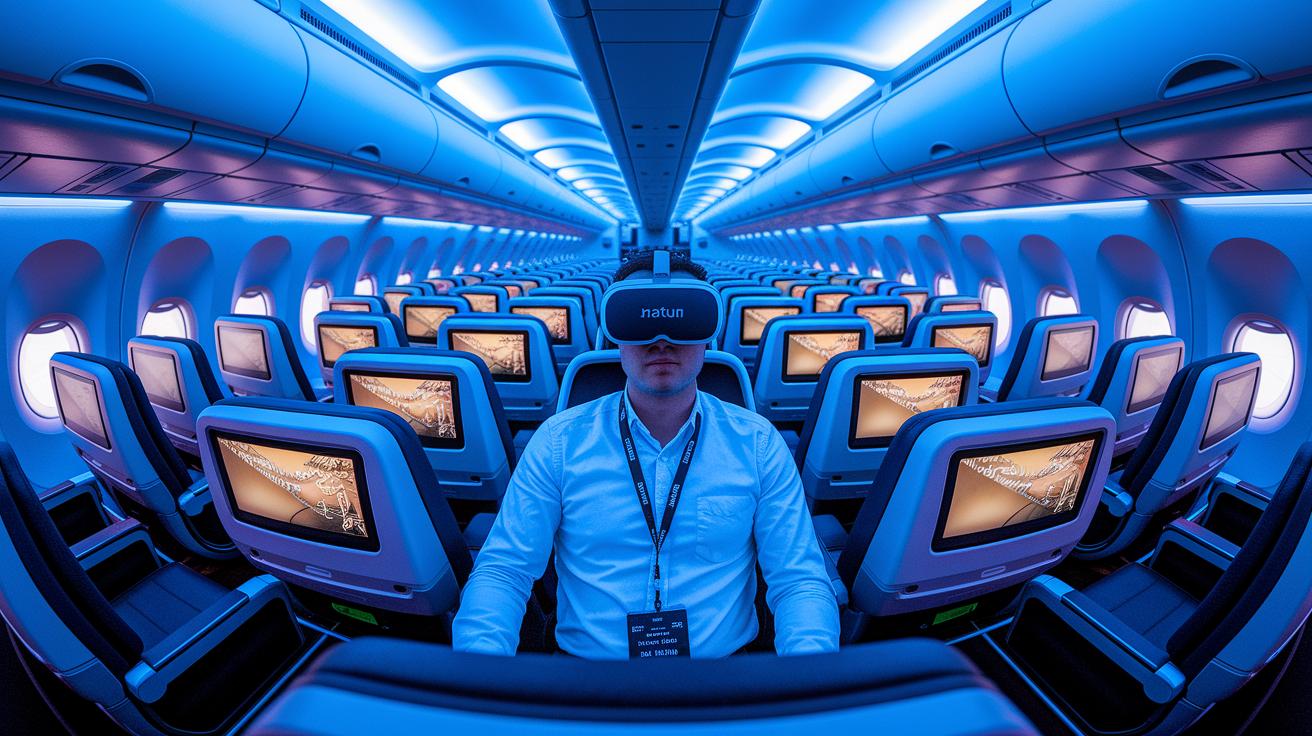
The way we enjoy in-flight entertainment is changing fast. It isn’t just about movies and music anymore. New systems offer full 360° virtual reality experiences and AR overlays (Augmented Reality, which adds digital info to real-life views). Every seat now turns into a personal entertainment spot. AI-powered tools learn what you like and build a custom library just for you. And crisp HD and 4K OLED screens bring every image to life. With noise-canceling spatial audio, you can watch your favorite film in a clear, distraction-free setting, almost like peering out a magical window.
AI-Driven Personalization
Smart algorithms now watch your viewing habits and adjust options in real time. If you often choose action movies, for example, the system will bring up more of those titles. This tailored approach makes your flight feel just like a home theater experience.
VR and AR Experiences
New headsets and AR glasses let you dive into a full 360° virtual world or enjoy interactive games that blend real flight info with fun digital scenes. Imagine putting on VR goggles and feeling as if you’re gliding over the ocean while your plane cruises above, it’s an experience that makes flying even more exciting.
Advanced Display and Audio Systems
Modern HD and 4K OLED screens show vibrant images with deep blacks and stellar detail. At the same time, built-in high-fidelity audio with noise-canceling features wraps you in sound. This combination creates an in-seat viewing experience that rivals a live performance, making every moment on board a treat.
Enhancing In-Flight Connectivity with High-Speed Wireless and 5G
Airlines are now using their own wireless networks and IoT platforms (devices connected to the internet) that give real-time data and can control cabin systems automatically. With 5G onboard, passengers enjoy super-fast speeds for streaming, video calls, and quick access to digital tools with delays under 10ms. These new systems create a steady digital environment in the sky and power smart apps that boost efficiency and comfort throughout your flight.
Airlines are also merging seatback screens with your personal devices into one easy-to-use system. By combining 5G, satellite links, and cloud-based tech, they bring together all your connections in one place. New satellite networks promise steady coverage even over oceans, so you can stay connected on long-haul flights. These upgrades mean a smoother, more reliable travel experience for everyone onboard.
Smart Cabin Comfort: Future Seating, Lighting, and Personalization Tech
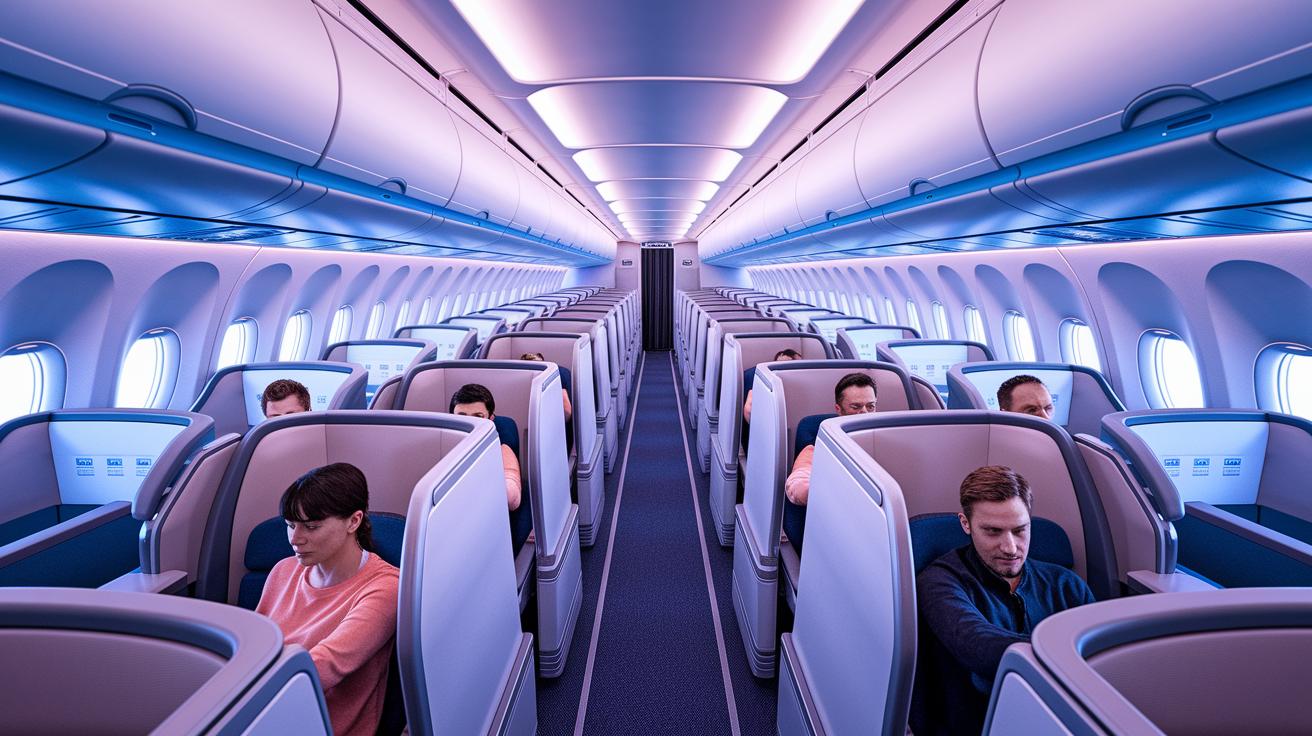
Airlines are rethinking cabin layouts so that every seat offers much more than a place to sit. New two-level economy seats boost space efficiency and give you extra room to stretch. Even on long flights, like Sydney to New York, cabins now include wellness zones designed for relaxation and movement. Designers use virtual simulation tools to nail every detail, from seat attachments to load sharing. This means you won’t face the cramped conditions of older designs, as every new layout is made to suit your personal needs.
Cabin personalization tech is taking center stage with adjustable seating and smart lighting. LED lights that follow your natural sleep patterns change colors to mimic daylight, which can help ease jet lag. Together, these innovations create a cabin that balances comfort with modern technology. This shift promises a more engaging and relaxed flying experience, especially on long journeys where every little comfort counts.
| Innovation | Benefit |
|---|---|
| Two-Level Economy Seating | +20% space efficiency, more legroom |
| Wellness Zones | Dedicated areas for stretching and resting on long flights |
| Circadian LED Lighting | Fights jet lag, boosts passenger comfort |
Sustainable Onboard Amenities: Eco-Friendly and Energy-Efficient Solutions
Airlines are now using recycled composite materials that cut cabin weight by as much as 300 lbs. This saves about 2-3% in fuel and lowers operating costs. It also makes flying greener. New HVAC systems use 15% less power and come with HEPA filters that clear out 99.97% of airborne particles. Together, these upgrades create a healthier cabin and use energy much more efficiently. You can read more about this approach at environmental sustainability in airline economics.
Airlines are also trying out new galley designs that make food service smarter. These modular layouts help reduce food waste and encourage buying local perishable goods. They make onboard catering simpler, cut down on excess, and lower emissions by reducing the energy needed for food prep and storage. With these eco-friendly changes, airlines not only meet tougher rules but also shrink their environmental footprint and save money.
AI-Driven Inflight Services: Personalization and Automated Assistance

Airlines are now using smart systems to set cabin lighting, temperature, and screens to match each passenger's needs. These systems study past flights and current passenger behavior to adjust the settings. The result is a cabin that feels more personal, comfortable, and energy efficient.
Robots are also changing how meals and drinks are served. Robotic carts deliver food and beverages quickly and evenly to every traveler. Plus, mobile apps let you pick your meal options in real time. Whether you want a snack or a special meal, you can choose what you like, which cuts wait times and boosts service quality.
Machine learning checks in-flight screens and other cabin systems to spot issues before they grow into bigger problems. This helps avoid interruptions and keeps everything running smoothly. By blending automated help with personal settings, these AI tools make flying more efficient for everyone.
Future Flight Safety and Operational Technologies
Airports are now using smart facial recognition systems that help speed up boarding by almost 30%. These systems quickly match a traveler's face with their documents, cutting down the waiting time and making the process smoother. At the same time, strong cybersecurity measures like end-to-end encryption (which scrambles data) and strict rules under GDPR and CCPA work together to keep passenger information safe in cloud systems.
Real-time sensor technology keeps a close watch over cabin pressure, temperature, and the number of people on board. If anything goes off track, alerts are sent out immediately so that any issues can be fixed quickly. These sensors constantly monitor key flight details to protect everyone on board.
Satellite-backed emergency communication systems add a vital backup, especially when flying over remote areas. This modern setup ensures that even in unexpected situations, clear and reliable communication is maintained, helping manage any crisis effectively.
Final Words
in the action, we tackled key shifts shaping tomorrow's air travel. The post covered everything from immersive in-seat entertainment to speedy, reliable connectivity.
Key topics included:
• Next-gen media and VR/AR experiences
• High-speed onboard networks
• Smart comfort and cabin personalization
• Eco-friendly, energy-efficient systems
• AI-driven inflight services
These future trends in airline inflight amenities and technology promise smoother, more enjoyable flights. Positive changes on the horizon can help travelers make smarter, less stressful choices.
FAQ
Q: What are the future trends in airline inflight amenities and technology for 2023?
A: The future trends in airline inflight amenities and technology for 2023 include immersive entertainment, high-speed connectivity, smart comfort solutions, sustainable systems, and AI-driven services that improve passenger experience and comfort.
Q: What technology trends are driving innovation in the airline industry and airports?
A: The technology trends driving innovation include 5G and satellite connectivity, IoT-based cabin controls, advanced in-seat entertainment displays, and AI-powered services that enhance operational efficiency and passenger engagement.
Q: Where can I learn about technological advancements in aviation in PDF format?
A: Technological advancements in aviation are detailed in comprehensive PDF resources that cover digital travel experiences, eco-friendly systems, biometric security, and AI-driven onboard services, offering useful insights for industry professionals.
Q: What is future airport technology and its impact on travel?
A: Future airport technology focuses on smart sensor systems, biometric boarding, advanced cybersecurity, and seamless connectivity, all designed to create a more efficient, secure, and user-friendly travel experience.
Q: What innovative articles are available on airport trends?
A: Innovative articles on airport trends explore smart connectivity, eco-friendly designs, digital security enhancements, and next-generation operational systems that collectively improve airport efficiency and traveler convenience.