

Have you ever wondered how budget airlines keep ticket prices so low while filling every seat? These airlines cut extra stops and fees to streamline their operations. Instead of using large hub airports, they choose direct routes that save on training and maintenance costs. This simple plan helps them cut costs while still offering a good travel experience. In a world where every seat counts, smart planning turns a basic flight into a winning strategy for budget travelers.
Designing a Low-Cost Carrier Network Strategy That Maximizes Cost Efficiency
Low-cost carriers now fill about one-third of the world's scheduled flight capacity. In the past year, their share of available seats (measured as Available Seat Kilometers, or ASKs) has grown by 2 percentage points. Think about it: not long ago, few travelers imagined flying on a plane where every choice was made to save cost and boost efficiency. These carriers cut away extra services and stick to one type of aircraft to make maintenance, training, and scheduling much simpler.
This lean approach helps lower operating costs by using direct, point-to-point routes. It skips the costly stops and fees that come with big hub airports. By selling tickets straight to passengers, low-cost airlines keep distribution expenses down and manage customer details more directly. They offer very low base fares but add on extras like baggage fees and seat selection for a little more revenue. Out of 811 scheduled airlines worldwide, 102 are low-cost. And of the carriers that handle 80% of global ASKs, 29 are LCCs. This smart, numbers-based method is designed to keep flights full and turnaround times quick, meeting the needs of travelers who are really watching their budgets.
Airlines boost efficiency by streamlining their operations and relying on extra service options to lift their profits. These strategies mean carriers can run more flights, keep costs per seat low, and shift gears fast when the market changes, all without cutting the basic travel experience for budget-minded flyers.
Point-to-Point Versus Hub-and-Spoke: Cost-Effective Route Design for Budget Flights
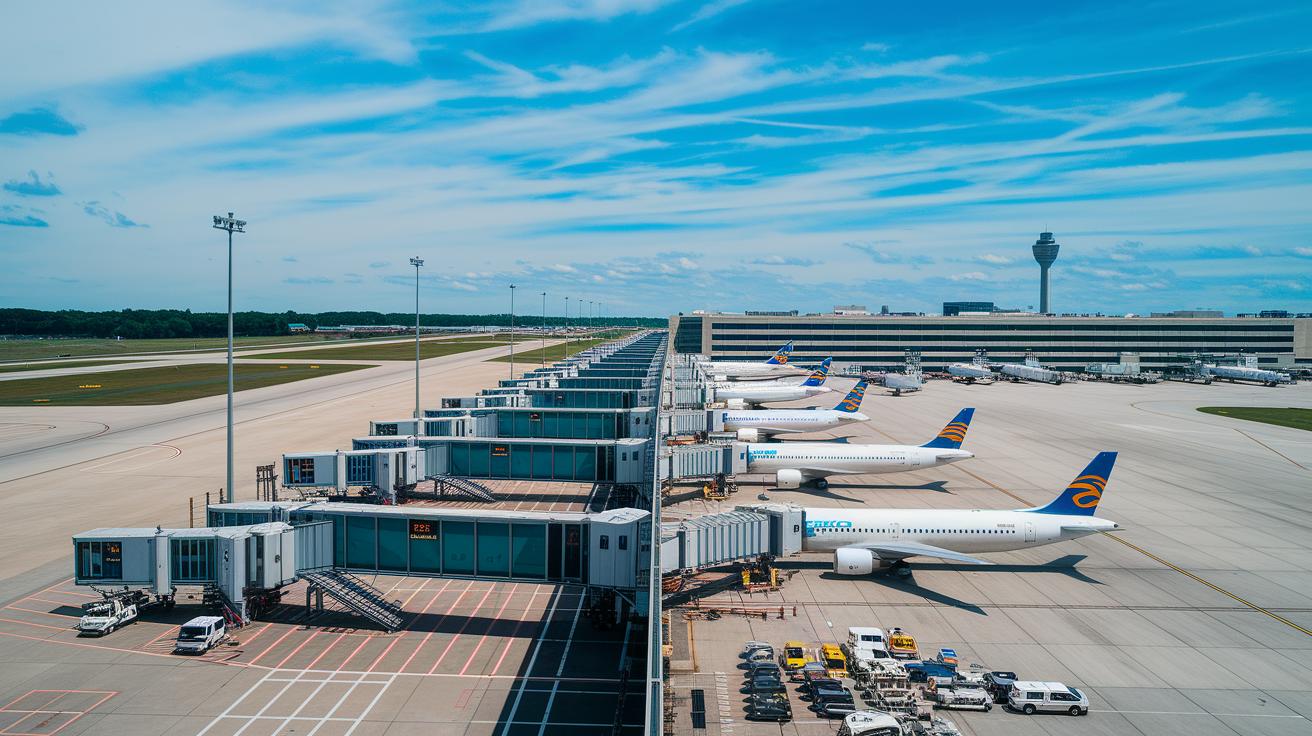
Low-cost carriers stick with point-to-point flights to cut out extra handling and transfer costs. By skipping major hubs, they keep things simple and efficient. Imagine a flight that lands and departs from a smaller airport with lower fees and faster turnarounds, this is where the savings really add up.
On the other hand, legacy carriers rely on hub-and-spoke systems. They route flights through busy hubs to serve high-demand markets with better profit margins. Some airlines even mix the two methods by using hubs when it can boost revenue and point-to-point routes on shorter, straightforward trips.
This model depends on a few key factors:
- Smart use of aircraft to maximize flying time.
- Forecasting passenger demand to decide which routes need a hub connection.
- Dealing with airport fees that differ a lot between big and small airports.
For example, picture an airline that plans routes using real-time demand data and lower fees at regional airports. A striking case is one low-cost carrier that turned a 30‑minute turnaround at a secondary airport into an operational win. These practical choices let airlines keep fares low and serve budget-minded travelers without the heavy costs that come with a large hub system.
Fleet Standardization and Frugal Scheduling Tactics in LCC Network Strategy
Low-cost carriers save money by flying just one type of airplane. This choice makes repairs, crew training, and flight planning a lot easier. Imagine stepping onto a plane where every cockpit looks the same. The mechanics and crew know the ins and outs by heart. This smooth operation even helps carriers score better deals on parts and fuel.
A uniform cabin layout is another key piece. By packing more seats into each flight, even if the space feels a bit tight, they keep flights filled over 90% of the time. Quick turnarounds are essential, with many low-cost airlines ready to push for under 30 minutes on the ground. Fast, well-organized checks allow them to switch flights quickly while keeping safety a top priority.
Airlines also depend on integrated scheduling platforms, like an airline management system (software that helps plan and monitor boarding, refueling, and safety checks), to keep everything running on time. Every minute is saved with a carefully planned process.
| Practice | Benefit |
|---|---|
| Uniform fleet | Simplifies repairs and training |
| Standard cabin layout | Maximizes passenger numbers |
| Fast turnaround | Keeps flights on schedule |
These smart strategies help low-cost carriers use their planes more often, cut operating costs, and offer fares that keep travelers happy.
Ancillary Revenue and Fare Structuring Within a Low-Cost Network Strategy

Budget airlines keep their fares low by charging separately for extra services. When you book a ticket, you pay for the essentials first and then choose to add services like checked bags, seat selection, or priority boarding as you need them. In fact, airlines can earn up to 40% of their revenue from these optional extras. If you book just a seat initially, you might decide later to pay more for faster boarding or extra legroom, just like adding toppings to a plain pizza.
Prices for these add-ons can change based on how full the flight is and how close it is to departure. This kind of pricing, known as dynamic pricing (prices that change on the fly), means you might pay a different fee depending on when you book. Airlines also offer a few clear fare families to make choosing easier for travelers. Overall, this approach helps carriers keep costs down while still offering options that meet the needs of budget-minded travelers.
Market Expansion and Route Profitability Analysis for Budget Carriers
Budget carriers are always on the lookout for new markets. They study how well each route performs and adjust flight schedules to keep profits steady. In places like Southeast Asia, the push for affordable travel is strong. Carriers look at each route's earnings per seat (yield per ASK), check airport fees, and watch local competition to pick the best routes.
Reviewing route profitability is key to their financial plans. Carriers watch market demand and seasonal trends to decide when to add or cut flights. More flights during busy periods can help lower costs, while fewer flights in slower markets stop oversupply. They also deal with local regulations in smaller cities and see these challenges as temporary for potentially high gains.
Airlines dig into local travel habits and cost issues like airport fees to get a clear picture of each market. In short, they focus on:
- Yield per ASK
- Airport fee variations
- Local market demand
This careful process lets budget carriers enter new markets with a clear view of profit and efficiency.
Technology and Data-Driven Optimization in Low-Cost Carrier Networks

New technology is reshaping how budget airlines run their networks. AI-powered tools change flight numbers and spot busy times so airlines can make smart decisions with real-time data. Automated scheduling systems work with travel demand forecasts to adjust routes instantly. Flight planning software checks live info like fuel costs, weather, and airport rules to plan the cheapest routes.
Digital tools now pull booking details straight from passengers. This steady stream of data lets airlines see trends and tweak flight schedules on the fly. Real-time dashboards show key numbers such as on-time performance, quick turnarounds, and how full each flight is. Imagine an automated system noticing a demand surge early enough to add an extra flight. It helps prevent issues and boosts efficiency.
Airlines also use these platforms to track how shifts in fuel prices or sudden weather changes affect flights. They blend current booking data with historical trends to fine-tune their routes continuously. This data-driven method cuts waste, keeps costs in check, and builds a flexible network that meets traveler needs while protecting profit margins.
Case Studies: How Leading LCCs Execute Network Strategy at Scale
Southwest Airlines uses packed seating and point-to-point routes to keep nearly all seats filled. They fly from smaller airports with lower fees and fast turnaround times. This means their planes spend less time on the ground and more time in the air, keeping costs low and profits high.
Ryanair cuts costs by charging minimal fees and speeding up turnaround times. They fly from secondary airports where fees can be as low as €10 per flight and manage a 25-minute turnaround. By saving just a few minutes on each flight, they can squeeze in more trips and offer fares under $50 for budget-minded travelers.
AirAsia shows a different path with rapid growth across Southeast Asia. They combine low airport fees with extra local services like e-wallet payments and onboard shopping. This mix lowers basic fares while adding extra income, helping them grow fast and keep costs under control.
Each of these airlines uses smart tactics to run more flights at lower costs. Their strategies offer clear lessons for anyone looking to operate budget-friendly air travel.
Final Words
In the action, airlines are streamlining operations with focused routes, fleet efficiency, and real-time data. This article laid out how point-to-point connections and consistent aircraft use simplify planning and boost performance. Carriers also benefit from basic fare structures and add-on services to keep prices low while increasing revenue. Using a low-cost carrier network strategy, these airlines adjust schedules and monitor markets to save money and reduce disruptions. These practical methods pave the way for smarter travel and a more efficient, affordable flying experience.
FAQ
What does a low cost carrier network strategy PDF cover?
A low cost carrier network strategy PDF covers how airlines streamline operations, use a single aircraft type and point-to-point routes, and boost revenue with ancillary fees to keep overall costs low.
How does Delta apply a low cost carrier network strategy?
Delta adapts elements of a low cost strategy by simplifying some operations and employing direct, point-to-point routes on selected services, blending cost efficiency with traditional service on major routes.
What trends were seen in low cost carrier network strategy in 2022?
The 2022 low cost carrier network strategy showed increased use of point-to-point routes, standardized fleets, and enhanced revenue from optional services to meet evolving market demand.
How do low cost carriers develop their route networks?
Low cost carriers develop their route networks by focusing on direct flights, targeting secondary airports, and cutting handling costs, which helps keep ticket prices affordable.
What factors have contributed to the rise of low cost carriers?
The rise of low cost carriers is driven by simplified operations, lean business models, and growing traveler demand for affordable flights, shifting global airline capacity toward budget options.
What does the future hold for low-cost airlines?
The future of low-cost airlines includes more use of technology and data analytics, dynamic pricing, and further network expansion, all aimed at lowering costs for airlines and travelers.
What does low-cost carrier market share indicate?
Low-cost carrier market share indicates the percentage of total airline capacity serviced by budget airlines, reflecting their success in efficient operations and competitive pricing.
How do low-cost airlines make money?
Low-cost airlines make money by keeping base fares low and generating additional revenue from services like baggage handling, seat selection, and priority boarding, all while cutting operational expenses.
What roles do carriers like Breeze Airways, American Airlines, Allegiant Air, JetBlue, Southwest Airlines, and Avelo Airlines play in the market?
These airlines showcase a mix of pure low-cost and hybrid models; they use efficient route planning and fee-based services to serve budget-minded customers, while American Airlines adapts some low-cost tactics on specific routes.