

Do you trust that your flight is completely secure from cyber attacks? Picture a plane high above with hidden risks like malware and phishing scams trying to sneak in. Airlines are fighting back with smart digital defenses and alert systems that keep hackers at bay. In this post, we explain how a clear cybersecurity plan helps protect everyone on board while keeping flights running smoothly. With strict guidance from the FAA, ICAO, and EASA, safe skies are not just a promise, they are a practice in action.
Airline Cybersecurity Risk Management: Secure Skies
Airlines take cyber threats seriously. It isn't just a rule from groups like ICAO SMS (safety guidelines), FAA (the U.S. aviation authority), and EASA (European flight safety group) – it’s a duty to protect both passengers and operations. Carriers work hard to find, assess, and lower risks that could affect flights, ground work, and overall company systems. They use digital defenses and smart alert systems to keep passenger data safe and flights running on time.
Airlines face many cyber risks, including malware (bad software), phishing (attempts to steal personal info), and ransomware (hacking where attackers demand money). These risks can upset the safety of onboard systems and disrupt daily operations. For instance, using a structured plan, airlines can quickly spot odd activities like unusual data access and act fast to stop a problem. Detailed guides on these threats are available online for those looking to learn more.
A clear risk management plan helps airlines cut down the chances of a cyber breach. This structured approach meets the standards set by ICAO, FAA, and EASA and builds trust with travelers. A strong cybersecurity plan not only protects data but also keeps flights safe so that passengers and crew can travel with confidence.
Risk Assessment Frameworks for Airline Cybersecurity
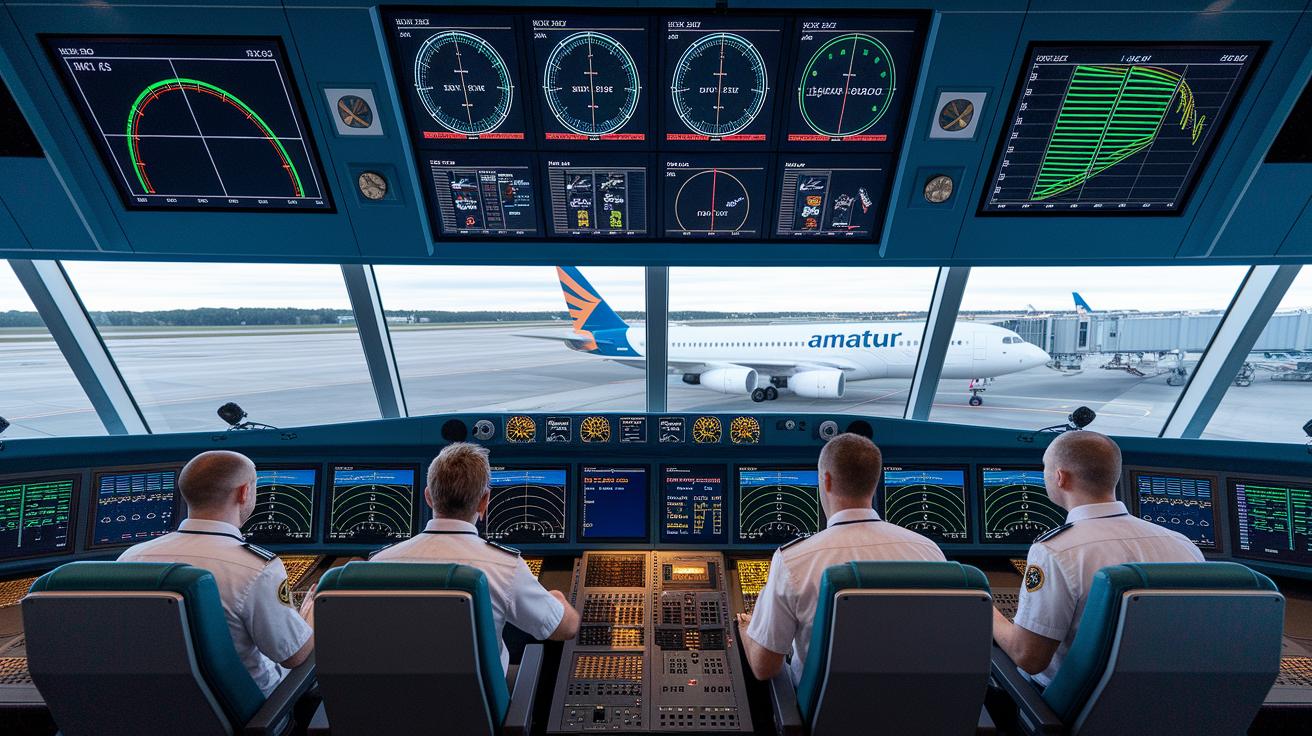
Airlines create careful risk checks by mixing hard data with a review of human factors. They use tools like flight data monitoring (a way to track essential flight information) and predictive analytics (software that forecasts risks) to watch for threats in the air, on the ground, and in computer systems. Both Delta and Lufthansa use these methods. They stick to guidelines from groups like ICAO SMS (a safety management system) and follow rules set by the FAA and EASA. Regular network checks help turn basic data into clear steps, revealing unusual flight patterns or weak spots in their defenses. For example, scanning for vulnerabilities helps pinpoint areas in onboard communication and IT networks that need a quick fix.
Looking at human factors is also key. Airlines use fatigue risk management (systems to monitor crew tiredness) and a "Just Culture" approach, which lets crew members report safety concerns without fear. These methods ensure that issues driven by human error get the attention they need. Additionally, threat modeling techniques (tools that map out possible cyber attack paths) complete the assessment. This blend of technical scans and human checks allows airlines to review both digital systems and everyday operations carefully.
Airlines often deploy specialized software to scan for vulnerabilities, helping them spot and isolate potential intrusions before they cause disruptions. This mix of data insights and human oversight makes routine hazard checks the norm, keeping cyber defenses strong across all areas of airline operations.
Preventive Countermeasures and Security Controls in Airline Cybersecurity
Airlines are stepping up efforts to keep their IT systems and onboard networks safe. They check programs for design and code errors to spot weak points before attackers do. This way, potential problems are caught early, and systems become tougher.
They use smart tools like machine learning to detect threats and hunt down potential risks. Simple drills, such as fake phishing emails and simulated ransomware attacks, train staff to act fast and confidently. These practices show that good security depends on both strong technology and well-prepared teams.
- Secure code reviews
- Penetration testing
- ML-driven threat detection
- Phishing simulation programs
- Ransomware prevention solutions
- Data encryption protocols
Building a secure digital setup means strengthening every part of an airline’s IT system. Regular tests and updates make sure that who can access what and how systems are controlled keeps improving with new threats. By mixing basic technical checks with forward-thinking strategies, airlines can continuously boost their defenses and keep important data safe. This balanced approach helps keep operations smooth and protects everyone on board.
Incident Response and Recovery Procedures in Airline Cybersecurity
Airlines need to be prepared for cyber problems. They set up plans to check their systems and test how well they handle real cyber attacks. When breaches happen – like the one in Hong Kong that lost 9.4 million passenger records, the UK event with 9 million records, or an Indian incident affecting 4.5 million files – quick action is key. Airlines create clear steps that cover everything from spotting a breach to stopping it and fixing their systems.
Forensic Readiness Audits
These audits make sure airlines are ready to save important evidence right after an attack. Teams decide on clear rules for how long data is kept, where logs and records are stored safely, and they run regular checks. This way, when a breach happens, the investigation can start right away with solid, well-kept data. That helps everyone understand what went wrong and how the systems were broken into.
Incident Command Structures
Having clear command roles and communication steps is crucial. An incident command structure spells out who takes the lead, how decisions are made, and how information is shared with those affected. It also sets timelines for recovery and checkpoints along the way. For more details, you can check the airline cyber incident response guide at https://keysunair.com?p=80. This structured plan helps airlines handle each incident quickly and safely while lowering overall risks.
Regulatory Compliance and Audit Procedures for Airline Cybersecurity
Airlines must follow clear rules like PCI DSS, PCI PIN, and PCI 3DS for both mobile systems and onboard tech. These standards help keep payment data secure and protect sensitive passenger information. They set up detailed audit trails and schedule regular reviews, both inside the company and by outside experts, to show they meet the required technical standards from groups like the FAA and EASA.
Airlines also need to follow strict reporting protocols. They prepare frequent reports and keep diligent records of every action taken. This careful documentation helps them track performance and quickly flag any issues. By following these steps, carriers not only comply with current regulations but also make their operations safer.
Regular audits and detailed recordkeeping are also key when updates occur. As new rules come into play and technology evolves, ongoing oversight ensures that every part of an airline’s system stays in line with the latest cybersecurity standards.
Industry Case Studies and Best Practices in Airline Cybersecurity Risk Management

Airlines have suffered major cyberattacks that teach some hard lessons. In just one mistake, millions of records, ranging from simple passenger details to sensitive financial and loyalty data, can be exposed. One Hong Kong airline lost 9.4 million records. A UK airline saw 9 million records compromised. An Indian carrier had 4.5 million passenger files leaked. Each breach shows how one strong cyberattack can shake up operations and break customer trust.
Below is a table showing the events, the number of records at risk, and the key lesson each incident offers.
| Airline | Records Compromised | Key Lesson |
|---|---|---|
| Hong Kong Airline | 9.4 million | Strong data protection and fast incident response are crucial |
| UK Airline | 9 million | Strict access controls and continuous vulnerability scanning are needed |
| Indian Carrier | 4.5 million | Secure both internal and external systems to fend off attacks |
These cases follow up with clear takeaways. Quick forensic checks help airlines understand and contain breaches fast. Many carriers now set up teams from different departments to review cyber risks and align efforts with broader safety and corporate goals. Regular attack simulations help spot weak spots before hackers do.
Airlines also learn that their defenses must keep up with new threats. They now use continuous updates and advanced monitoring tools (that check for emerging tech risks) to stay safe. By combining human checks with smart analytics, airlines work to build systems that protect passengers and ensure safe travel in today’s tough cyber world.
Final Words
In the action, we covered the core elements of airline cybersecurity risk management. We broke down risk assessment, preventive countermeasures, incident response, and regulatory audit steps in clear, practical terms. The discussion highlighted key measures, including secure code reviews and threat detection systems. By focusing on real-world examples and best practices, the post shows how structured frameworks keep travel operations safe. With smarter risk management, airlines can better protect passenger data and ensure smoother operations. Stay informed and keep cyber safety a priority for secure travel.
FAQ
What does the airline cybersecurity risk management PDF cover?
The airline cybersecurity risk management PDF covers the key frameworks, risk assessments, and controls needed to protect flight operations and passenger data while meeting FAA, EASA, and ICAO safety standards.
What are the highlights of airline cybersecurity risk management in 2022?
The airline cybersecurity risk management 2022 approach outlines updated frameworks, regular vulnerability scans, and enhanced incident response steps that align with global regulations to protect both operational systems and passenger information.
How is the aviation cybersecurity salary determined?
The aviation cybersecurity salary is influenced by industry demand, job responsibilities, technical expertise in risk management, and the ability to implement cybersecurity frameworks and incident response strategies effectively.
What information is available about aviation cybersecurity jobs and standards?
The details on aviation cybersecurity jobs and standards outline role requirements, necessary certifications, and adherence to regulatory frameworks that guide how airlines protect operational systems and sensitive data.
What strategy is recommended for aviation cybersecurity?
The aviation cybersecurity strategy recommends a multi-layered defense that includes continuous risk assessments, proactive threat detection, and compliance with international safety standards to secure onboard and ground systems.
What aviation cybersecurity courses are available to professionals?
The aviation cybersecurity courses offer training on risk management fundamentals, network vulnerability assessments, incident response planning, and regulatory compliance with FAA/EASA standards to build essential digital defense skills.