

Airlines are stepping into a new era. They now use digital tools, like sensor devices and travel apps, that spot problems early and help make boarding smooth.
Nearly 90% of airline leaders support these changes. They believe that using new technology will make flights smoother and service better.
This tech upgrade could change the way you travel. It promises quicker fixes and a friendlier, more personal service. Our analysis takes a close look at these changes so you can see how they might improve your next flight.
Achieving Digital Transformation in Airlines: A Comprehensive Overview
Airlines today are changing how they work and connect with you. Most airline leaders (90%) are focusing on new digital tools to stay ahead. Think of smart sensor doors and tech-enabled restrooms. They don’t just clean up; they signal a real commitment to safety and smooth operations.
Modern flights use sensors that collect huge amounts of data on every trip. These sensors can spot problems early, so maintenance issues don’t disrupt your journey. Plus, chatbots and mobile apps serve as handy digital travel helpers. They make checking in and boarding easier for many passengers, about 75% who are willing to share data for a personalized experience.
Airlines are also putting new digital systems in place that mix cloud and mobile tech with automation and data analysis. The pressures from COVID sped up these efforts, pushing everyone, from airlines to repair teams, to create a network that supports fast decisions and keeps customers happy.
This drive toward digital change isn’t just about new gadgets. Airlines are blending technology with a personal touch to build strong customer relationships. They are laying a solid foundation that meets both their needs and the high expectations of travelers. The result? Smoother processes and better service as we enter a new era in flight management.
Key Technologies Driving Airline Digital Evolution
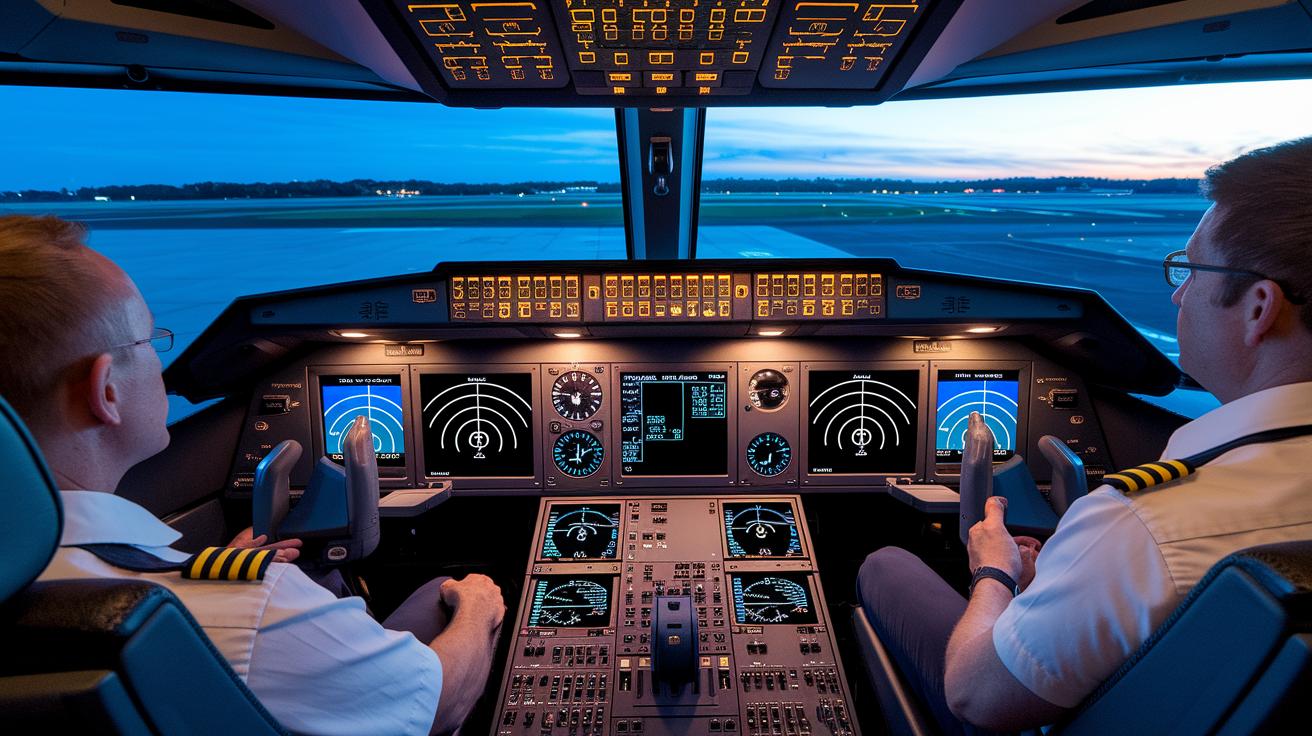
AI and machine learning help airlines run more smoothly. They use old flight records and live sensor data to spot potential issues before they become delays. For example, one airline’s system picks up on small engine problems and suggests an immediate inspection. This quick action helps keep flights on schedule.
IoT sensors are key by watching engine performance and fuel use all the time. They measure things like temperature and pressure so operators can adjust fuel mixes and plan maintenance. Airlines collect huge amounts of data on every flight. If a sensor shows a small drop in fuel efficiency, crews can change settings from afar, saving time and money.
Blockchain technology has changed how ticketing and identity checks work. It keeps unchangeable records of transactions and maintenance logs so every update is tracked. This reliable ledger makes audits easier. Meanwhile, big data looks at booking histories, social media trends, and search habits to set flexible prices and choose routes that match demand. One airline even uses these insights to change fares quickly to maximize revenue.
Cloud-based systems and mobile apps let airlines offer flexible IT setups and smooth self-service options. Strong cybersecurity protects customer data and essential flight operations. Virtual reality (VR) and augmented reality (AR) also play a role, improving training and letting passengers take virtual cabin tours to preview seating before they travel.
Data-Driven Operational Modernization in Flight Operations
Airlines now use everyday data to their advantage. They dig into booking records, social media posts, and online searches to fill more seats, up to 5-8% more. With quick math models, they adjust fares instantly, which helps boost profits and sell extra services.
They also use predictive maintenance to keep planes in top shape. This system uses sensors, the internet of things (IoT), and machine learning to spot wear and tear before it becomes a big problem. As a result, delays from maintenance drop by about 20%, keeping flights on schedule and cutting unexpected costs.
Automation is making daily tasks smoother too. Crew scheduling and ground operations now run with smart automated tools, cutting planning time by 30%. This gives staff more time to focus on in-flight service and safety. Meanwhile, route-optimization tools study details like passenger demand, weather, and fuel prices to save 5-7% on expenses, letting carriers serve more customers while keeping costs low.
Real-time pricing adjusts fares on the fly as market conditions change. This keeps airlines competitive and profitable. Overall, using data in these ways not only streamlines operations but also turns every bit of information into a boost for modern, efficient flight operations.
Transforming Passenger Experience with Digital Tools
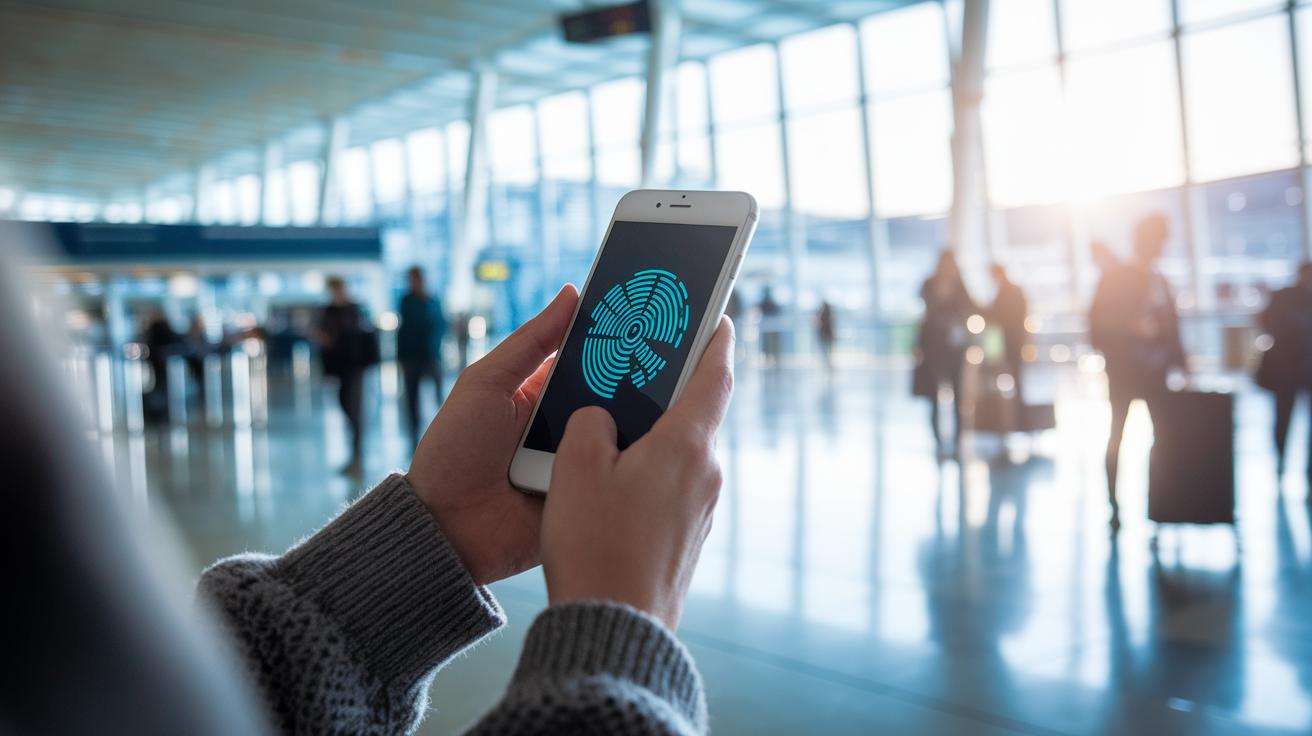
Airlines are changing every step of your travel journey. They now use mobile apps and AI chatbots that act like helpful travel assistants and digital boarding passes that adjust to your trip. For example, 75% of travelers are happy to share their data for personalized updates, making each trip smoother.
They also use facial recognition and fingerprint scanning to speed up check-in and boarding. These methods can cut processing times in half, so you spend less time waiting and more time enjoying your trip. Imagine breezing through security twice as fast.
New augmented reality (AR) and virtual reality (VR) tools let you explore your travel space before you even get there. A virtual cabin tour or an engaging safety video can show you your seat and what onboard amenities you can expect. This extra preview helps reduce worries when you book.
Tailored in-flight menus, loyalty upgrades, and extra service bundles work together to boost revenue by 10-15% while offering the kind of personal and efficient service modern travelers want.
Measuring Success: Case Studies and Digital Maturity Benchmarks
Lufthansa shows how blending smart tech with a personal touch can boost performance. Delta spent $1.9B on ICT in 2023 to ramp up AI and big data personalization, setting a high bar for digital investments. Emirates uses predictive analytics to offer tailored travel experiences, while British Airways’ “Know Me” initiative equips 2,000 staff with iPads for a truly personal service. Even Air France-KLM’s apps now simplify itinerary management and deliver real-time updates.
Airlines keep an eye on key stats like system uptime, digital sales ratios, and customer-digital engagement scores. One operator explained that tracking these benchmarks helped tighten operations and lift passenger satisfaction. In fact, about 90% of carriers now display digital transformation dashboards right at the C-suite. These dashboards help leaders see ROI and overall digital readiness, ensuring every digital move is measured for impact.
- Case studies offer real examples of digital change at work.
- Benchmark data makes it easy to see measurable improvements.
- Innovation benchmarks and performance stats paint a clear picture of future trends.
Airlines are using these benchmarks to guide tech upgrades and operational tweaks. This blend of real-world examples and clear, measurable criteria gives actionable insights for any carrier looking to thrive in today’s data-driven world.
Future Projections and the Digital Airline Ambition 2030 Framework
Airlines are stepping into a new era with the Digital Airline Ambition 2030 plan. This strategy asks them to invest in modern digital tools, improve customer service, stick to clear rules, run smooth operations, and grow in an eco-friendly way. They are drawing up clear roadmaps to reach these goals and bring in next-gen technology.
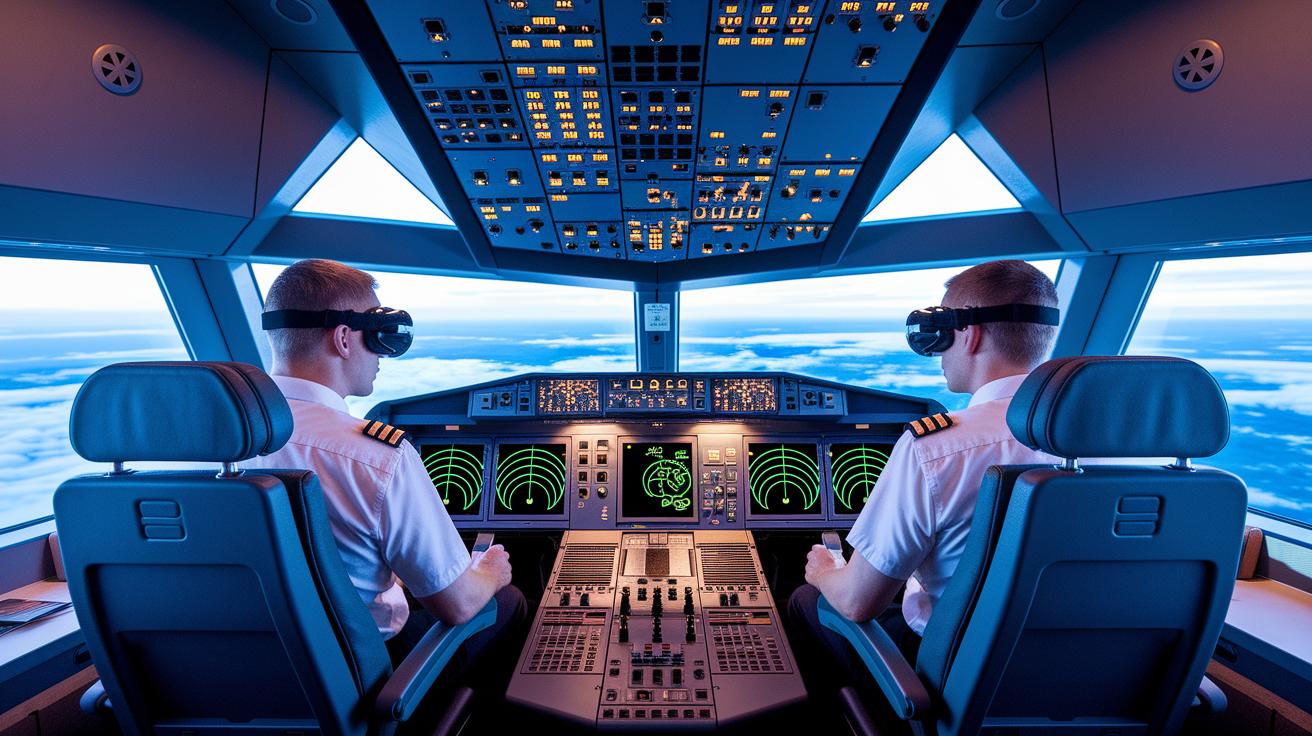
By 2025, about 80% of airlines will switch to cloud-based systems. This change will help them manage their work faster and adapt quickly. Around 60% are also set to use AR/VR tools (augmented and virtual reality) for hands-on training and to create interactive experiences for passengers. These updates speed up work processes and boost staff interactions with travelers.
Going green is a major part of this plan. Today, 71% of passengers want up-to-date info on CO₂ emissions. Airlines are now showing live green metrics during booking, so you can see the environmental impact of your flight. This also helps carriers monitor how far they’ve come in their push for sustainable growth.
Airlines are tracking key numbers like digital sales, how well automation pays off, and digital engagement scores. These figures give real, measurable feedback on how tech upgrades are changing operations and service quality. By watching these trends, carriers can fine-tune their digital strategies so every new tool supports their broader goals.
Airlines that balance these investments well will be ready to thrive in a market that is both highly competitive and driven by technology.
Addressing Implementation Challenges and Best Practices in Airline Digital Transformation
Airlines often run into problems when they try to use new digital tools. Data security issues, old systems, and team resistance can slow things down. One study shows that 85% of digital projects fall behind schedule when teams are not ready for change. Picture a pilot project delayed because the crew couldn’t get used to the new system. This shows why it is important to address team resistance early.
Airlines can turn these challenges into opportunities by setting up innovation labs that include experts from different departments. These labs let teams test ideas quickly and find problems before they become big issues. For example, one airline used quick, agile methods to run a pilot project. This approach was like frequent software updates that improved features based on real feedback.
Staying resilient is also key. Many airlines now rely on extra cloud systems and live monitoring tools so that their digital services rarely go down. With these safety nets, even if one part has trouble, the whole system keeps working.
Having a clear plan also helps. Airlines are drawing up digital roadmaps that match their business goals. They plan their budgets carefully and check key performance indicators (KPIs) to make sure every new tool improves their service.
- Establish cross-functional innovation labs
- Run agile pilot projects
- Upskill teams through ongoing training
These practical steps help airlines manage risks, beat internal challenges, and build strong, flexible IT systems that support long-term digital success.
Final Words
In the action, airlines are boosting operations and passenger experience using tech like AI, IoT, blockchain, and big data analytics. This piece showed how systems from predictive maintenance to biometric check-ins and digital dashboards are improving on-time performance and streamlining travel. Actionable insights and smart rebooking strategies help minimize delays and keep travelers confident. Digital transformation trend analysis in airlines reveals a tech-driven future that brings greater ease and efficiency to flight operations. Optimism drives the industry toward a smoother, more connected travel experience.
FAQ
What insights do digital transformation trend analysis PDFs in airlines—including 2021 and 2022—offer?
The digital transformation trend analysis PDFs in airlines offer insights on tech adoption, data‑driven operations, and strategies to improve passenger services, showing how carriers modernize their operations over time.
How does digital transformation shape the airline industry?
The digital transformation in aviation reshapes the industry by integrating smart tools like AI and IoT, streamlining maintenance, boosting safety measures, and enhancing passenger experiences across all stages of travel.
How can airlines win with digital transformation from turbulence to clarity?
Winning with digital transformation means airlines overcome challenges by adopting agile strategies, modern IT solutions, and real‑time data insights to improve operational efficiency and deliver better customer service.
What impact do digital technologies have on airline operations?
The impact of digital technologies on airline operations is significant, automating processes, using predictive maintenance, optimizing pricing, and enabling real‑time monitoring to support efficient decision‑making.
What key topics do airline research papers on digital transformation cover?
Airline research papers on digital transformation cover industry trends, technology adoption, proven case studies, and best practices that guide carriers through modernization and improved passenger engagement.